



Which Ski Resort Is Better: Thredbo or Perisher?
If you are going skiing or snowboarding in New South Wales the main question is, shall we head to Thredbo or Perisher? Both of these Australian ski resorts are known worldwide and should be considered key stops on an Australian ski trip. Thredbo and Perisher offer more than just skiing and as fantastic resorts with a range of off-snow activities, both resorts can be considered worthy of a visit. They are however different and are set apart by their unique characteristics. In this post, I will delve into the key facts that differentiate Thredbo and Perisher so that you can decide which ski resort is more suitable for you!

Skiing amongst the Gum Trees
GETTING TO THREDBO AND PERISHER
It is unlikely that travel to the resorts will influence your decision between Thredbo and Perisher as they are fairly close to each other. The resorts sit in the Kosciuszko National Park in the Snowy Mountains, a short drive (by Australian standards) from major cities. The trip will take you two-hours from Capital city Canberra and five from the popular international destination of Sydney.
Depending on where you plan to stay you will pass through Jindabyne where you will have the option to stay in the valley, drive to the resort, or if heading to Perisher take the SkiTube.
IF YOU FIND VALUE IN THIS POST CONSIDER CLICKING THE BUYMEACOFFEE LINK BELOW TO SUPPORT MY CONTENT

THE STATS
Thredbo ski resort has been voted as Australia’s best ski resort for the past five years. The ski resort of Thredbo is substantially smaller than Perisher in terms of acreage with only 1,186 acres but this doesn’t mean that Thredbo is lacking in pistes. Thredbo has 52km of pistes throughout its resort, only short of Perishers 65kms. Thredbo also now offers a backcountry pass which opens more terrain outside of the resort boundary.
Perisher is Australia’s largest ski resort and as such dwarves Thredbo in terms of skiable terrain. Perisher has 3,080 acres of terrain with 65km of slopes within the resort. This terrain is spread across Perisher’s four mountains, Perisher Valley, Smiggin Holes, Blue Cow and Guthega.
Thredbo has a much more significant vertical drop 672m than Perisher 355m, meaning that Thredbo can boast the longer runs throughout it’s resort. The base area at Perisher is higher than Thredbo’s meaning the snow quality can be more consistent at Vail owned Perisher, especially on the lower slopes.
Perisher also offers over double the amount of runs that can be found at Thredbo with a larger variation of pistes across the resort. These shorter runs offer more variety but you can feel like a run is over in a flash. Thredbo’s longer runs can ensure that you spend more time skiing and less time sat on a chairlift.
THREDBO
ALPINE ADVENTURE AND CHARM
Nestled in the heart of the Snowy Mountains of New South Wales, Thredbo is renowned for its alpine village atmosphere and picturesque surroundings. Here are some key features that make Thredbo a standout choice:

Thredbo Ski Resort
TERRAIN DIVERSITY
Thredbo offers a great variety of ski runs suitable for beginners, intermediates, and advanced skiers. With over 50 runs spanning across wide groomers, challenging moguls, and exciting terrain parks, there's something for everyone. The split of runs at Thredbo is 16% beginner, 67% intermediate, and 17% advanced.
VILLAGE VIBE
The charming alpine village of Thredbo is a major draw for visitors. It boasts a vibrant après-ski scene with restaurants, bars, and shops, making it an ideal place to unwind after a day on the slopes. The village has some decent shops to pick up new gear and can be great for families with the sports centre a real draw.
THE ICONIC THREDBO CRUISER
Thredbo's Kosciuszko Express Chairlift takes skiers to Australia's highest lifted point. From here, you can access a range of runs, including some of the resort's most challenging terrain.
FAMILY-FRIENDLY
Thredbo is also a popular choice for families. The resort offers childcare services, kids' programs, and beginner-friendly slopes, making it an excellent destination for families looking to introduce their children to skiing. Thredboland is a great place for kids aged three and older with a number of programs designed to get your little ones out on the mountain.
As a former member of the Thredbo ski and snowboard school, I can vouch for the incredible service they provide for family ski lessons.

Known for its varied terrain and having the largest vertical drop in Australia, Thredbo is Australias best ski resort.

Renowned for its excellent freestyle terrain, Perisher is Australia’s largest ski resort
PERISHER
Perisher, located in the Kosciuszko National Park, is the largest ski resort in the Southern Hemisphere. With an extensive range of slopes and facilities, Perisher stands out for several reasons:
SIZE MATTERS
Perisher's vastness is one of its most significant advantages. The resort encompasses four interconnected ski areas—Perisher Valley, Smiggin Holes, Guthega, and Blue Cow—providing an extensive playground for skiers and snowboarders of all skill levels.
SNOW RELIABILITY
Due to its size and elevation, Perisher often benefits from better snow coverage, ensuring a longer ski season and more consistent conditions.
TERRAIN FOR ALL
With a wide variety of slopes and terrain parks, Perisher caters to beginners, intermediates, and advanced skiers. This makes it an attractive option for groups with varying skill levels.
NIGHT SKIING
Both Perisher and Thredbo offer night skiing two nights a week which is an exciting experience. At Thredbo night skiing is on Thursdays and Saturdays whereas Perisher opens their evening lifts on Tuesdays and Saturdays.
Perisher opens Front Valley for night skiing so is probably the better destination for night skiing with the terrain park and beginners runs open.
IF YOU FIND VALUE IN THIS POST CONSIDER CLICKING THE BUYMEACOFFEE LINK BELOW TO SUPPORT MY CONTENT

THREDBO VS PERISHER BEGINNERS
THREDBO BEGINNERS
Beginners at Thredbo will start their learning journey on Friday Flats. This Thredbo beginner’s trail is a perfect pitch to learn on and is serviced by its own chairlift. Riding the chairlift from an early stage of learning helps alleviate any of the stress that some skiers and snowboarders can feel as they progress around other mountains. Friday Flats can become crowded during peak weeks and in bad snow years can be difficult to navigate.
In addition to Friday Flats, Thredbo could just be one of the best resorts to learn at. There is green terrain from Australia’s Highest lifted point, with the Village Trail providing a long mellow run back to the village base. From Cruiser Chair Squatters Run and Walkabout mean that beginners can get off the beginner’s hill and around the mountain.
PERISHER BEGINNERS
Beginners are Perisher will likely start their day at either Perishers Front Valley or the Blue Cow Terminal. Both Front Valley and Blue Cow have a number of mellow runs for beginners to cruise.
It is more likely that beginner skiers and snowboarders at Perisher will have to ride a combination of T-bars and chairs to access the runs.
One benefit to Perisher’s shorter terrain for beginners is that runs may look less intimidating allowing regular stops of breaks and a good sense of achievement.
IS THREDBO OR PERISHER BETTER FOR BEGINNERS?
The answer to whether Thredbo or Perisher is better for beginners is quite close and will depend on what you are looking for. In terms of terrain, both resorts offer a similar amount of beginner runs with Thredbo have 16% and Perisher having 22%.
Although there is slightly more beginners terrain at Perisher the runs will be shorter so it can be argued that Thredbo’s runs offer more flow and a chance to build your confidence. Ultimately, both resorts will offer beginners a good experience.
THREDBO VS PERISHER FOR SNOWBOARDERS?
As a snowboarder I have a clear preference in terms of which resort out of Thredbo or Perisher is best for snowboarders. THREDBO. Although both resorts offer a good variety of runs and terrain parks, I personally feel that for my riding I prefer Thredbo. At Thredbo the runs are longer, which means you spend less time strapping in and more time riding. Perisher is also a victim of its layout with many flat spots that can cause snowboarders a headache.
If freestyle is your thing than both resorts have great terrain parks however I believe that Perisher has the best freestyle offer.
THREDBO VS PERISHER EXPERIENCED SKIERS AND SNOWBOARDERS?
The ski resorts of Thredbo and Perisher both have lots to offer the more able skier and snowboarder. Perisher is a hit due to its variety of terrain. The sheer number of runs available across Perisher’s four mountains ensures that it is impossible to get board. Thredbo however has the longer runs and the more serious freeride terrain. Thredbo and Perisher are both well-suited to snowboarders and skiers who enjoy freestyle with some of the best terrain parks in the Southern Hemisphere. Thredbo stands alone in terms of off-piste with the more interesting out of bounds and slackcountry areas.
DOES THREDBO OR PERISHER HAVE THE BEST SNOW?
Both Thredbo and Perisher have fairly modest snow records compared the resorts in Europe, North America and Asia. That being said the 2m+ of snow that regularly falls in these Snowy Mountain ski resorts is enough to sustain a four-month season with the help of snow cannons. Regardless of whether you ski at Thredbo or Perisher, it is worth noting you will be riding on a mix of natural and man-made snow.
Perisher ski resort has the highest base area so can be your best bet for early or late-season snow. Thredbo does still operate a four-month ski season however it can be forced to move its operations to the top of cruiser chair with down lifting on high-noon in lean snow years.
Ultimately, a trip to the Australian snow should not be treated as a hunt for powder (although it can deliver!!! ) but instead, an opportunity to ski or snowboard in a new part of the world.
If you want to be snow-sure, consider heading to Thredbo or Perisher in July or August as this is when the snow is the most reliable.
IS THREDBO OR PERISHER BETTER?
Ultimately, whether Thredbo or Perisher is the better ski resort depends on your preferences and priorities. If you're drawn to a charming alpine village atmosphere with a focus on après-ski activities and diverse terrain, Thredbo might be the perfect choice. On the other hand, if you're seeking vastness, extensive slopes, and a wide range of skiing opportunities in a family-friendly environment, Perisher could be your ideal destination.
Both resorts offer their own unique charm and attractions, so your decision should be based on factors such as the type of skiing experience you want, your skill level, whether you're travelling with a family, and your preferences for village ambience or resort size.
No matter which resort you choose, both Thredbo and Perisher promise an unforgettable winter getaway in an incredibly beautiful part of Australia. The real win here is that you do not need to decide between Thredbo or Perisher… due to their proximity you can visit them both!

The Remarkables Ski Resort Guide
The Remarkables ski resort on the outskirts of Queenstown is one of two resorts in the town. Set in the Remarkables mountain range and with views back towards Queenstown and Lake Wakatipu it is an awesome setting for skiing and snowboarding on New Zealand’s South Island. Despite not receiving high amounts of annual snowfall The Remarkables is the go-to resort for locals to explore off-piste and with easy access hiking earning your turns is how you make the most out of a trip to The Remarks.
Curvey Basin Chair At The Remarkables Ski Area
THE REMARKABLES FIRST IMPRESSIONS
As you approach Remarks the first thing you see is the modern lodge at the base of the resort. Entering this area and heading up the stairs to the lifts you will pass everything you need from a ski resort. There are ski-hire, retail and ticket offices on the ground floor with a large restaurant on the upper floor. The lodge has some pretty great views so be sure to get a seat outside for lunch or your coffee break.
Heading out the doors of the lodge and onto the slopes, you are met by the purpose-built beginner’s area, serviced by a covered magic carpet. You will also see the Curvey Basin chair, a fast six-seater lift that takes snowboarders from the base area to the top of the resort. Everything at The Remarks seems ultra-modern from the lodge to the lifts.
IF YOU FIND VALUE IN THIS POST CONSIDER CLICKING THE BUYMEACOFFEE LINK BELOW TO SUPPORT MY CONTENT

THE REMARKABLES SKI RESORT
Similar to other New Zealand ski resorts don’t be put off by the mountain stats. A vertical drop of just over 350m and a small amount of skiable terrain doesn’t really paint the right picture. The fun at The Remarks is found outside of the pistes within short hikes of the chairlifts. Whether taking The Lookout hike from Shadow Basin before dropping down into some chutes or heading up Curvey Headwall you will find adventure at The Remarks.
If hiking isn’t for you then don’t write The Remarks off yet. The Remarks Parks are some of the best in New Zealand, ranging from a beginner’s hike park with ride-on boxes up to huge kickers and rail features. That’s not even mentioning The Stash, which unfortunately was closed during our extended visit. The Stash is a terrain park that is left year-round with features made from wood. All of the terrain parks can be found at the top of the Sugar Bowl Chairlift. This is a popular area so expect bottlenecks at the lift line on busy days.
Freestyle is massive at The Remarkables and its terrain parks draw a huge crowd. There are often park clinics running which can be a great way to progress your riding. In Queenstown, The Remarkables is the place to go for freestyle snowboarding with Coronet Peak not offering anywhere the same level of terrain parks.
First-time skiers or snowboarders will find the beginner’s area serviced by magic carpets and the Alta Chairlift a good place to learn. That being said, during peak weeks The Remarkables is a popular area and the learning slopes can become crowded.
The highest lift point at The Remarks is 1943m so it tends to keep the snow in good condition. The runs at The Remarkables are split fairly evenly between beginners, intermediate and advanced pistes with a 30:40:30 ratio. When you consider the runs that are possible outside of the pisted trails this increases the runs available for advanced riders at The Remarks.
View from the top of The Remarks
If you want to make the most of the pistes at The Remarkables consider booking onto Remarkables ‘First Tracks’ program which grants you access to the lifts for one hour before the resort opens.
THE REMARKABLES FOR BEGINNERS
Beginner skiers and snowboarders will enjoy The Remarkables as once turning you have the opportunity to explore away from the base area. Most peoples first lift as a beginner at The Remarks is Alta chair. Alta chair offers a couple of options for new skiers with Turquoise Run leading back to Alta chair with alternatives leading to the Sugar Bowl.
Sugar Bowl is home to Remarks Parks, but beginners don’t threat you are here for Casterway a long green trail that will give you the change to hone those turns.
THE REMARKABLES FOR INTERMEDIATES
Remarks is a great mountain for intermediate skiers and snowboarders with plenty of long blue trails to explore. A particular favourite is Calypso at the top of Shadow Basin as it draws less crowds than the runs on Curvey Basin.
Intermediates looking to push away from the blues will find some good red trails such as Fall Line, although be wary as Fall Line can attract accidental skiers from Casterway who have taken a wrong turn.
If you are looking to push your off-piste then the traverse into Shady Lady and even the blacks of Homeward Run make fairly mellow off-piste outings.
THE REMARKABLES FOR ADVANCED
Getting away from the trails is the aim of the game for advanced skiers and snowboarders at The Remarkables. In the right conditions, The Remarks has some fantastic short hikes that lead into more challenging terrain.
From the top of Shadow Basin Chair head into the Chutes where Elevator and Escalator lead down towards Lake Alta. Alternatively, traverse into Shadow Basin where the bowl provides plenty of decent options.
THE REMARKS PARKS
Freestyle snowboarding at The Remarks is huge. The Sugar Bowl chair accesses the terrain parks with access to The Stash and the main Remarks Parks possible from this chair. The Remarkables has a short hike pike above the Sugar Bowl chairlift which is great for practicing those initial tricks before taking them to bigger features.
THE REMARKABLES PISTE MAP
The Remarkables trail map shows three distinct areas of the resort; Curvey Basin, Shadow Basin, and Sugar Bowl. Each area of The Remarks is different and offers a unique experience.
Curvey Basin is where the main resort runs lie and you will find some extensive blue terrain. In addition, the base of Curvey basin is home to the beginner’s area where you will find The Remarkable ski lessons. Shadow Basin is where you will find the advanced terrain at The Remarkables with some really interesting trails. A favourite of ours is Homewards Run at Remarks where you can ride back down to the car park. Sugar Bowl is the third area at The Remarkables and this is home to the freestyle terrain.
The Remarkables Piste Map
LIFTS AT THE REMARKABLES
There are four chairlifts at The Remarkables and a few ground lifts.
The Curvey Basin chair is a fast six-seater chairlift that heads from the base of the resort to some interesting blue terrain. It is possible to hike from the top of Curvey Basin chair to some decent off-piste trails.
Also at the base, you will find Alta chair which only really serves The Remarkables beginner runs.
Shadow Basin chair is fairly slow but accesses The Remarkables advanced trails and some of the more interesting sections of the resort. Shadow Basin opens up hikes to Escalator, the LookOut, and Homeward Runs.
Sugar Bowl express is the lift that accesses The Remarks Parks area. From Sugar Bowl Express you can ride through the Small, Medium, or Large terrain parks.
THE REMARKABLES SNOW RECORD
The Remarkables is not blessed with an impressive snow record and relies heavily on snow-making to ensure resort runs are well-covered. A measly 3-4m of snow can be expected throughout the season at The Remarks so don't dust off your powder board just yet. When it does snow, be sure to make the most of all that off-piste terrain.
THE REMARKABLES SEASON DATES
The ski season at The Remarkables ski resort runs between June - October conditions depending. The best time to visit is between mid-July to early Sept when you will find the best snow coverage.
THE REMARKABLES LIFT TICKETS
The most cost-effective way to enjoy a snowboarding trip to The Remarkables is to purchase the 3 Peak Season Pass. The Three Peak season pass offers access to both Queenstown resorts of The Remarks and Coronet Peak as well as Mt Hutt near Christchurch. If bought in advance the 3-peak pass will cost $699 NZD for unlimited winter access.
Alternatively, you can pay by the day however expect to pay upwards of $100NZD per day. For the latest lift pass prices click here.
THE REMARKABLES OFF-PISTE
The Remarkables has some of the best resort slackcountry or off-piste in New Zealand with easily accessible off-piste from each chairlift. Short hikes and traverses will take you to some interesting off-piste terrain.
SHADOW BASIN
Shadow Basin chair is popular on powder days as it provides access to the Shadow Basin and the Chutes at The Remarkables. The Chutes are a short hike from the top of Shadow Basin chair and you can access Elevator and Escalator from this point. The Chutes are great runs that head down towards Lake Alta, snowboarders beware of your exit route as it can be a long walk out.
Alternatively from Shadow Basin chair you can take the traverse along The Highway which takes you to Shadow Basin Bowl. The Bowl is great in fresh snow and there are multiple routes down to the base of the chair.
In good conditions it is possible to traverse over to Homeward Run which will lead you back to the road. From the road you can catch the free shuttle bus which will return you to the lodge at the base of the resort.
CURVEY BASIN
Curvey Basin is the main express chair at The Remarkables and opens up hiking options above the chair. Short hikes are possible to 1900m with a choice of runs towards Lake Alta or Back into the resort.
SUGAR BOWL
Sugar Bowl at The Remarkables is best known for its terrain parks, however there are some nice hikes into the off-piste available in this area of the resort. From the top of the chair take Water Race Trail, where you will be able to hike towards Anzac Trail. This area of the resort has some of the more challenging runs such as the Gallipoli chutes.
SKI TOURING/SPLITBOARDING
Uphill touring is possible at The Remarks with the main uphill route running from the base of Curvey Basin past the Alta chair and towards Lake Alta. From here you can head into the Remarkables Backcountry. It is important to know. that if you are outside of the ski area boundary The Remarkables will not send Ski Patrol to your aid, instead dial 111. Stay Safe.

TRAVEL TO THE REMARKABLES
Getting To New Zealand
With most international flights operating into Christchurch, this may be your best access point to the South Island. If you can, we would highly recommend flights into Queenstown as firstly you have direct access from Queenstown to the resorts of The Remarkables and Coronet Peak, but equally importantly it is one of the most scenic airports in the world. Flying into Queenstown is something we will not forget in a hurry.
Where is The Remarkables?
The Remarkables ski resort is on New Zealand’s South Island in the Remarkables mountain range. The resort is a short drive from the major tourist hotspot of Queenstown and is within 40 -60 minutes of Queenstown international airport.
Accessing The Remarkables
The Remarkables is a 45-minute drive from Queenstown and if possible driving is the best option. The road can experience delays if there has been fresh snow and chains need to be carried at all times. The upper road from just before Car Park 4 is not tarmacked so can be a bit bumpy.
If you don’t have the option to drive then buses do run from various downtown Queenstown locations but we thought the prices were fairly steep. Hitching or rideshare is possible.
THE REMARKABLES ACCOMMODATION
On our trip, we made the most of the freedom camping regulations in New Zealand and hired a van for most of the trip. The freedom camping site at Kawarau Bridge is a decent location but comes with some restrictions. You can stay on this site for a maximum of 4 days per month. If you are in a van you may have to stump up for a campground. We did spend some time staying in an Air BnB at the end of the trip. The location was excellent and we would highly recommend it. You can find it here
Most people stay in downtown Queenstown which has accommodations ranging from hostels to more deluxe apartments on the Lake. One benefit of staying in Queenstown is that you also have the option to ski at the nearby Coronet Peak area.
THE REMARKABLES PROS
Offers more for the advanced rider than nearby Coronet Peak
The Remarks Parks are well maintained and offer great progression
Great beginners area with magic carpets, not rope tows
The view from the lookout hike across Lake Wakatipu is incredible
The Remarkables off-piste offers easy hiking to some nice chutes
Part of the 3 Peak Pass
Close proximity to Queenstown means there is plenty to keep you busy away from the slopes
THE REMARKABLES CONS
The Stash terrain park wasn’t open during my extended visit
The access road is not great and can have long cues after fresh snow
Limited pistes mean you could get bored if you're not prepared to hike
Crowds during peak weeks especially around the beginner’s area and Sugar Bowl Chairlift
THE REMARKABLES ACTIVITIES
Being only 45 minutes from Queenstown opens up lots of opportunities for those bad weather days. If the lifts are closed at Remarks why not head over to Coronet Peak to see the other Queenstown mountain? If a day in Queenstown is more for you, then consider taking the Shotover jet boat, a bungee jump, or any of the other amazing Queenstown activities.
IF YOU FIND VALUE IN THIS POST CONSIDER CLICKING THE BUYMEACOFFEE LINK BELOW TO SUPPORT MY CONTENT
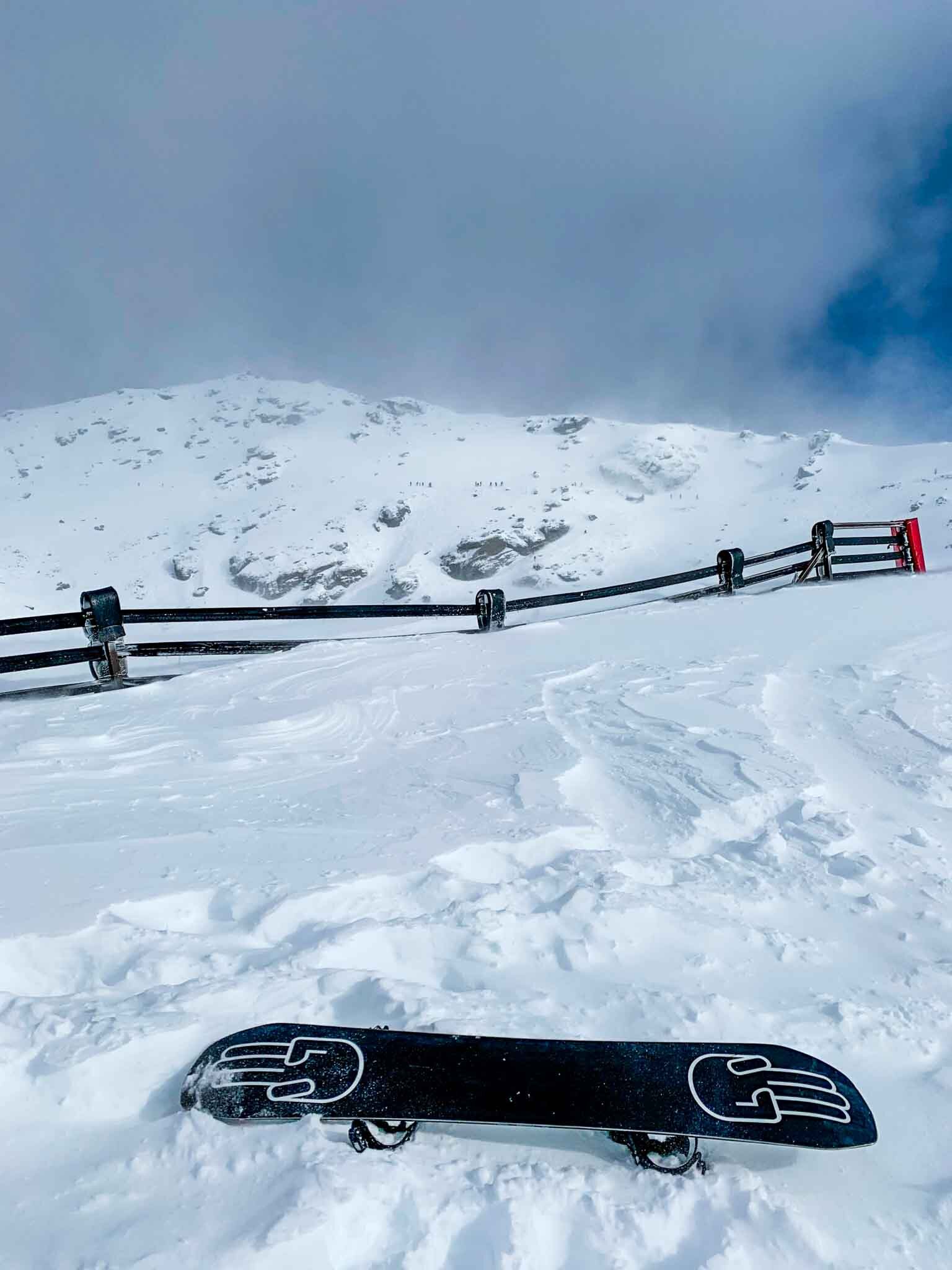
THE REMARKABLES GALLERY




THE REMARKABLES FREQUENTLY ANSWERED QUESTIONS
Can You Drive Up To The Remarkables?
Yes, the road up to the Remarkables is long and winding but it is a great drive to take. Be aware that on days during or after a snowfall it is likely that you will be required to carry or use snow chains. Depending on conditions the drive from the base car park at The Remarkables should take around 20-40 minutes.
Is Coronet Peak or The Remarkables Better?
Well… that is just going to be an opinion. Both The Remarkables and Coronet Peak ski resorts have a lot to offer and one of the best things about Queenstown is that you can ride them both on the same day. The Remarkables has a better terrain park and off-piste in our opinion, whereas the pistes at Coronet Peak are better and offer night skiing.
Why Is It Called The Remarkables?
The Remarkables ski resort takes its name from the New Zealand mountain range The Remarkables. The Remarkables mountain range is found on New Zealand's South Island.
How Much Does It Cost To Ski In Queenstown?
Ski Passes in Queenstown are not cheap and will cost over $120NZD per day. You can make some pretty good savings if you intend to purchase tickets for a few days and buy in advance.

Australia Snowboarding Guide
When planning a trip to Australia it’s fair to say most people are more concerned with which beach to visit rather than where to find the snow. Australia is a country that is synonymous with the sunshine which probably does the ski industry down under a disservice. But skiing and snowboarding in Australia is a real thing and more than that… it can be excellent. The snowboarding in Australia will be found in the south with resorts spread between the states of Victoria and NSW.

VICTORIA
The state of Victoria is home to three incredibly popular ski resorts; Mt Hotham, Falls Creek and Mount Buller. All three resorts are accessible from Melbourne and represent some of the best Australia has to offer.
Buller is a short drive from Melbourne (around 3 hours) and is the busiest ski resort in Victoria. It is worth a midweek trip to avoid the weekend crowds but if you need to go at peak times no worries Mount Buller has a large village to accommodate the visitors.
Falls Creek is a pretty interesting resort due to its abundance of ski-in-ski-out accommodations. This is the closest you will come to that European-style village in Australia. Snowboarding at Falls Creek mostly suits intermediates but as with most Aussie ski resorts they build some great terrain parks too.
Mt Hotham offers the most challenging snowboarding in Victoria with a number of steeps, although these are rather short. Hotham also has terrain to suit most abilities which makes it a great all-rounder or family resort.
NEW SOUTH WALES
Snowboarding in New South Wales is popular with the Sydney and Canberra crowds which can make weekends busy. Luckily for NSW, it is home to two of the best Australian ski resorts.
Thredbo is a place that is dear in my heart having worked and lived in Thredbo. Thredbo is a ski resort that has a lot to offer. Thredbo is often thought of as the more expensive bigger brother of nearby Perisher but this does it a disservice. Thredbo has a great village which offers a great Après scene as well as a sports centre to keep you occupied post-snowboarding. The resort itself has the largest vertical drop in Australia at 672m. This leads to Thredbo having a number of longer runs that are just not found at other Australian ski resorts. Thredbo has a good mix of trails and some exceptional terrain parks although like most resorts down under Thredbo can rely heavily on snow-making in the early and late season.
Perisher is a bit of an enigma. It is huge with terrain spread across 4 mountains but despite this, it can feel like you spend more time in lift queues than snowboarding. Perisher is popular due to its incredible terrain parks and a good range of beginner and intermediate terrain. Professional athletes often are spotted making use of the Perisher Parks for off-season training which goes some way to demonstrate the quality of facilities on offer.
Charlotte Pass is a pretty cool resort with a unique selling point. The village at Charlotte Pass is only accessible via snowcat which adds another dimension to a visit. The resort of Charlotte Pass is well-suited to families and those looking to avoid the crowds at Thredbo or Perisher.
Selwyn Snowfields is ideal for beginners but more experienced snowboarders will probably get bored here. Selwyn is the perfect place to learn away from the crowds of the larger resorts. Selwyn would make a good destination for your first time on snow as lift tickets/lessons are cheaper than at other Aussie resorts.
WHAT TO EXPECT
It is important to approach an Australian snowboard trip with an open mind. This is summer snowboarding and is not to be compared to the large scale resorts found in Europe and the US. That doesn’t mean it cant be as good as when the conditions are right Australia can be exceptional. Australian resorts tend to take the rough with the smooth making the most out of low snow seasons with extensive snowmaking. When it dumps in Australia it tends to really dump with large storms dropping 80cm not unheard off.
At Australian ski resorts, you are unlikely to find the level of challenging steep terrain you can find in other parts of the world. Similarly, long runs are hard to find due to the lower elevations nut Australia does a great job of making a challenge and this is reflected in their love of the terrain park. Australia is home to some of the best freestyle set-ups in the world and terrain parks can be found at most Aussie ski resorts.
The landscapes at Australian ski resorts can feel quite unique. There is a lack of large and daunting peaks however there is a certain charm to snowboarding down through the Australian gum trees.
WHY SNOWBOARD IN AUSTRALIA
When it comes to summer snowboarding in the Southern Hemisphere you have plenty of options, so why choose Australia?
The first reason to choose an Australian snowboard trip would be if you are an Epic Pass holder at your Northern Hemisphere ski resort. The Epic Pass for resorts like; Heavenly, Vail or Park City will also cover your Australian skiing at three resorts. That’s right unlimited snowboarding at; Perisher, Hotham and Falls Creek on your normal ski pass, bargain!
If you are not an Epic Pass holder don’t worry there are more reasons to head to Australia in search of summer turns. Snowboarding in Australia is great for those who want to spend time improving their freestyle. The terrain parks in Australia are well-maintained and offer features of all sizes to suit everyone. Pretty much all resorts in Australia invest time and money in producing awesome terrain parks.
The weather in Australia can be pretty brutal but when it plays ball Australia can be an awesome place to snowboard. The sun is often shining at Aussie ski resorts which can mean t-shirt weather and enjoyable spring riding conditions.

AUSTRALIAN SKI SEASON DATES
The ski season in Australia can vary quite dramatically year on year. Typically the start date for Australian ski seasons is in June with a best-case scenario of the season finishing in early October. We would recommend airing on the side of caution.
AUSTRALIAN SKI RESORT GUIDES

AUSTRALIA OR NEW ZEALAND
The question of whether to head to New Zealand or Australia for your summer ski trip is asked a lot and in our opinion, they are both great. That might come across as sitting on the fence but genuinely both are worth visiting. They can be compared in terms of terrain, facilities, and cost.. so here we go.
Cost
New Zealand is more affordable than Australia in every way. Lift pass prices in Australia are extortionate outside of the Epic Pass which offers unlimited snowboarding at three major Australian resorts. The cost of day passes is a rip-off, so if Australia is on your mind plan and look into season pass options as these often work out cheaper. The extra you spend on your lift pass probably contributes to better facilities with access roads being well-maintained at Australian resorts.
In general, the cost of living in New Zealand is cheaper with food and drink costs less although accommodation can be at a premium. Depending on where you are travelling from affordability can depend on the exchange rate at the time. Many Australians fly to New Zealand for their ski trip so this should indicate which offers better value for money.
Facilities
Australian ski resorts tend to have more European-style resort villages at the ski resort base. Thredbo has a great village to stay in that would make an Aussie trip hassle-free and this is not something that is found in New Zealand. If you prioritize convenience then Australia may win your vote.
Snow-making is pretty decent in both Australia and New Zealand because… well it has to be. In the bad snow years, both Australia and New Zealand rely heavily on snow-making to ensure their resorts can stay open.
Infrastructure in both New Zealand and Australia is pretty good with resorts having high-speed chairs and decent lodge facilities. Most commercial resorts across both countries will offer a ski school, rental, and dining facilities.
Terrain
New Zealand will have more advanced terrain with steeper runs and better off-piste than their Australian counterparts. Australia is known for its terrain parks with many professionals heading to Perisher or Thredbo to train during the summer months. Both New Zealand and Australia have small resorts by European standards with vertical drops often below 600m.
AUSTRALIAN VISAS
As it currently stands British nationals do not need a visa to holiday in Australia but will require an ETA (Electronic Travel Authority). You will be allowed 90 days of visa-free travel as a tourist. `If you intend to work for the season you will need either a Working Holiday Visa or a Sponsored Visa.
IF YOU FIND VALUE IN THIS POST CONSIDER CLICKING THE BUYMEACOFFEE LINK BELOW TO SUPPORT MY CONTENT
AUSTRALIA FREQUENTLY ASKED QUESTIONS
Can You Snowboard In Australia?
Australia has a number of interesting places to snowboard. Ski resorts in Australia have great facilities including high-speed lifts and extensive snow-making.
What Is The Best Ski Resort In Australia?
This is really down to personal opinion and what you are looking for from a resort. Below are some of our thoughts…
Best For Vertical: Thredbo
Best For Freestyle: Perisher
Best For Steeps: Hotham
Best Village: Thredbo/Falls Creek
Is Snowboarding In Australia Any Good?
Snowboarding in the Southern Hemisphere can be pretty brutal and weather dependant and Australia is no different. When conditions are right a snowboarding trip to Australia can be incredible, with large snow dumps possible.
Which Is Better Thredbo or Perisher?
Perisher has more runs and more skiable terrain however Thredbo has a larger vertical drop. There is more to explore at Perisher although it can feel like you spend a long time riding lifts. Thredbo has longer runs meaning it feels like you are riding for longer. Due to the lower vertical drop at Perisher snow conditions can feel more consistent with Thredbo’s snow varying a lot between the higher and lower elevations of the resort.
AUSTRALIAN SKI RESORT GUIDES
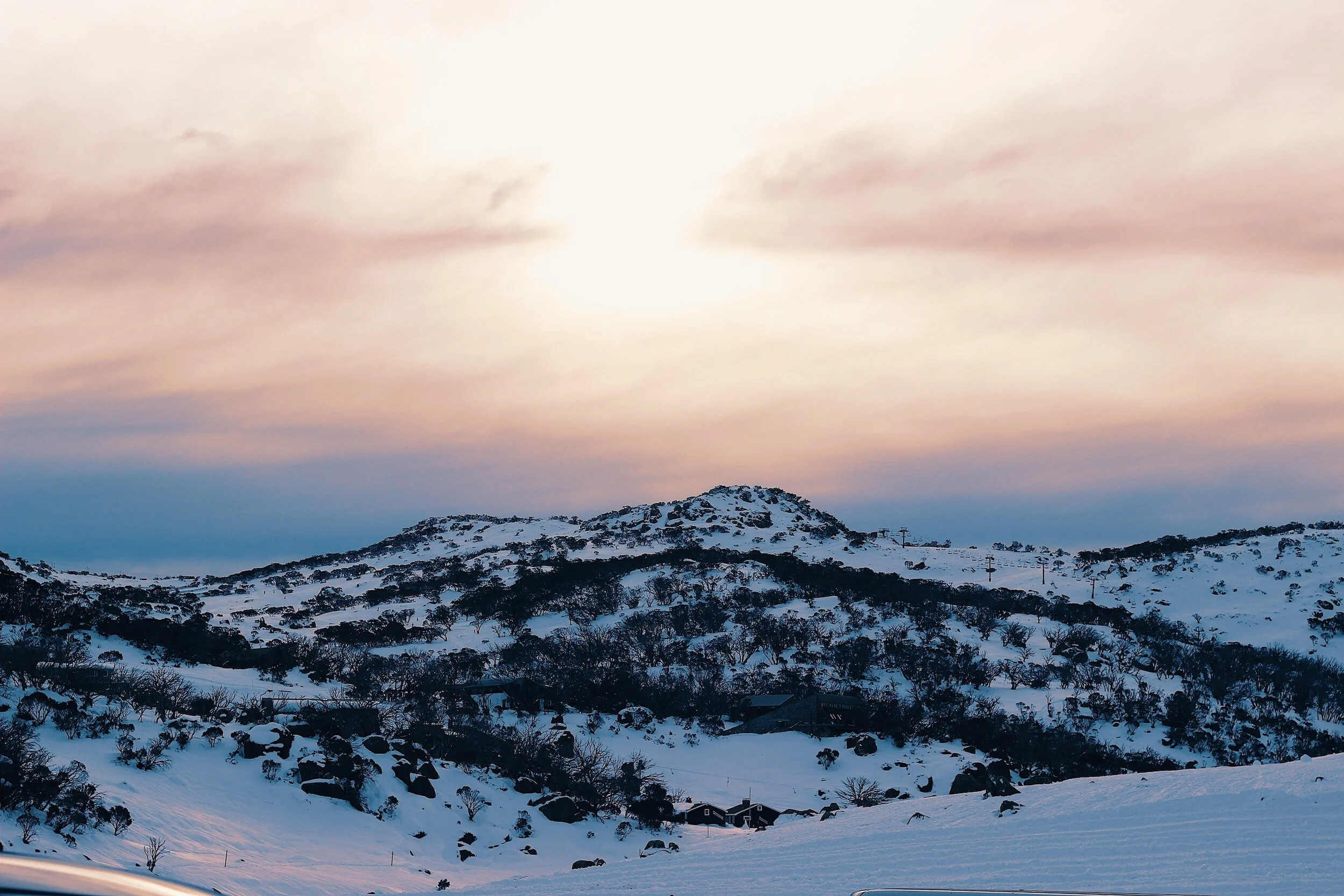


Mt Hutt Ski Resort Guide
Mt Hutt has consistently been voted New Zealand's best ski resort and I can certainly see why. That being said Mt Hutt is a frustrating place to snowboard and needs to be approached with a degree of flexibility. A real positive to an Mt Hutt ski trip is the people who make this resort. The staff here do an exceptional job in tough conditions and ultimately I feel this is why Mt Hutt continues to earn accolades. Mount Hutt is a more laid-back approach to a snowboarding trip and it is possible to find affordable lodging in nearby Methven.
Mt Hutt Ski Resort
MT HUTT FIRST IMPRESSIONS
Mt Hutt is a top-notch ski resort but it’s fair to say that isn’t necessarily the first impression. The town of Methven has nowhere near the glitz or the glam of Queenstown or Wanaka but we kind of like that. It is a quiet town with good people and this is reflected in the staff at Mt Hutt. The road up to Mt Hutt is … well not ideal. The whole of the road from the base car park is unsealed and rather bumpy and driving up in a campervan was possible but not great fun, especially in snowy conditions. There was even a time when we received a helping push from the Mt Hutt site team in their range rover. Once at the resort, there is a nice base lodge and some modern lifts. Sadly our first day here was cut short by strong winds and this is something you will have to factor into any trip to Mt Hutt.
MT HUTT SKI RESORT
Mt Hutt Ski Area seems bigger than the other New Zealand ski resorts I visited. This could be due to its greater vertical drop of 600m+ resulting in longer runs from the summit to the base area. Beginners and intermediates will love that you have mellow terrain from the summit meaning they can head to the top of the resort to take in the views of surrounding Canterbury. From here beginners and intermediate skiers will have the option of taking blue runs back to the base. The more advanced will enjoy the pitch of Upper Fascination, however, this run can become icy in adverse weather conditions.
There is easy access hiking that opens up more terrain for advanced skiers and snowboarders with The Towers accessing a range of chutes. Visible from the base area there is a pitch of off-piste that looked great fun but sadly the conditions didn’t allow for riding. If hiking doesn’t appeal then Mt Hutt has terrain parks dotted around the resort to keep you occupied. Mt Hutt refreshes the set up regularly which is great for those who enjoy freestyle.
Snowboarding at Mt Hutt is mainly suited to intermediates who pretty much have their pick of the whole mountain. There is a designated beginner area near the lodge with its own magic carpet which is an ideal place for those first turns. Advanced riders will like that pretty much everywhere there is a line to hike or explore although the lack of trees can mean no cover from the conditions on those bad weather days.
Mt Hutt is prone to receiving high winds and adverse weather conditions which can lead to regular lift closures. This has led to Mt Hutt receiving the nickname of Mt Shut. The staff at Mt Hutt do a fantastic job to keep punters occupied and often have alternative activities set up. During my visit to Mt Hutt, they organised a rugby match, a rail jam, and various other activities.
WHEN MT HUTT IS CLOSED
There is plenty to do around Mt Hutt should the resort be closed. Head to Rakaia Gorge to take a jet boat or hike around the beautiful trails. The local town of Methven has some great bars with the local Irish Pub serving incredible food. Methven cinema is also good for whiling away the hours. Like most places in New Zealand, there is plenty to explore outdoors in the local area.
Bad Weather Days At Mt Hutt
IF YOU FIND VALUE IN THIS POST CONSIDER CLICKING THE BUYMEACOFFEE LINK BELOW TO SUPPORT MY CONTENT
MT HUTT PISTE MAP
Mt Hutt ski area is great for families as pretty much all runs lead back to the lodge at the base. This makes it easy for families to head down runs of varying ability and meet right back up at the chairs. The most challenging terrain at Mt Hutt is found on skiers right. It is here where you will find a number of interesting black diamond runs. The hike to the Towers is quick and from here you can access Chute 3 and Dog leg. A further traverse will take you to 1st Chute, Main Chute and Saddle Face.
Virgin Mile is an interesting run for those competent on reds. Virgin Mile winds its way around the top of Mt Hutt offering panoramic views across Canterbury. Along Virgin Mile, there are plenty of places to drop into on a powder day to get some freshies.
Beginners will probably make their first exploration of Mt Hutt on the Quad chair and take Inside Leg back to the base. Broadway is one of the more popular blue runs at Mt Hutt and can be crowded on the weekends.
Mt Hutt Ski Resort Piste Map
LIFTS AT MT HUTT
Mt Hutt has three chairlifts; The Summit Six is the main chair at Mt Hutt ski resort and reaches the top of the resort at 2086m. Taking the Summit Six chair will give you access to all of the terrain at Mt Hutt. Beginners will enjoy the run-down Morning Glory whereas intermediates will love Upper Fascination a wide groomed red which is fantastic after the first chair. The Summit Six is a high-speed six-seater that ensures you can get plenty of vertical in a day. Sadly due to the high winds at Mt Hutt ski resort, the Summit Six is prone to wind closures.
The Quad chair is popular as it accesses the terrain parks and the green terrain. The Quad chair is quick and can sometimes operate when the Summit Six has closed due to wind hold. Mt Hutt doesn’t have much in the way of beginner terrain but Highway 72, a long winding green is popular with learners. From the Quad Chair, there is access to the terrain parks which a range of features from the progression park through to large jumps.
The Towers Triple Chair is the final chair at Mt Hutt ski fields and returns skiers into the resort from below the car park. This chairlift is crucial to advanced riders at Mt Hutt as it is located at the runout point for some of the more challenging terrain. The runs from The Towers such as; Main Chute and Saddle Face all run out here along with International, a challenging red run.
In addition to the chairs at Mt Hutt, there are two magic carpets in the beginner’s area at the base.
MT HUTT SNOW RECORD
Mt Hutt ski resort has one of the longest seasons in New Zealand thanks to extensive snow-making and a 4m seasonal average for snowfall. Mt Hutt, therefore, is one of the best places to head for off-piste as the coverage can be substantially better than other New Zealand ski fields. Mt Hutt is prone to high winds which can lead to snow being blown into pockets which when found can make for a great powder day.
MT HUTT SEASON DATES
Mt Hutt offers a longer ski season than most New Zealand ski resorts. Normally opening in early June and running into mid-late October. This makes up for the regular wind closures throughout the season.
MT HUTT LIFT TICKETS
The most cost-effective way to enjoy a snowboarding trip to Mt Hutt is to purchase the 3 Peak Season Pass. The Three Peak season pass offers access to both Queenstown resorts of The Remarks and Coronet Peak as well as Mt Hutt near Christchurch. When brought in advance the 3 peak pass will cost $699 NZD for unlimited winter access.
Alternatively, you can pay by the day however expect to pay upwards of $100NZD per day. For the latest lift pass prices click here.
TRAVEL TO MT HUTT
GETTING TO NEW ZEALAND
With most international flights operating into Christchurch, this may be your best access point to the South Island. If you can, I would highly recommend flights into Queenstown as firstly you have direct access from Queenstown to the resorts of The Remarkables and Coronet Peak, but equally importantly it is one of the most scenic airports in the world. Flying into Queenstown is something we will not forget in a hurry. That being said if Mt Hutt is your only ski goal then Christchurch makes more sense.
Check the latest flight prices here.
WHERE IS MT HUTT?
The nearest major city to Mt Hutt is Christchurch and as it is within a 2-hour drive you often see people flock from the city towards Mt Hutt on the weekends. It is possible to fly into Christchurch from both internal and international destinations so this may be the most suitable gateway to Mt Hutt. Closer to Mt Hutt is the town of Methven which is around a 15-20 minute drive from the Mt Hutt base car park.
ACCESSING MT HUTT
Coach transport is available from both Christchurch and Methven although self-drive is also another option. Should you choose to drive to Mt Hutt be aware that the access road is awful. I made it up regularly in a large camper van so it is not something to be worried about however treat it with caution especially after a snowfall. The ever-helpful Mt Hutt staff are on hand to help you fit snow chains and assist you on the roadside.
Be prepared to arrive at Mt Hutt early especially on weekends and holidays as the car parks fill up fast meaning you may need to park at Rakaia Saddle Car Park instead.
MT HUTT ACCOMMODATION
Mt Hutt is the only ski resort out of the 3 Peak Pass resorts that allow overnight freedom camping in its car park. This was a major factor in why I spent so much of my trip at Mt Hutt as it was much more affordable than my weeks in Queenstown. If you are not camping you will still be able to find lots of reasonably priced accommodation in nearby Methven.
MT HUTT PROS
Mt Hutt has a larger vertical drop than other New Zealand ski resorts
Accommodation and eating out is cheaper in Methven than in Queenstown or Wanaka
There is plenty of opportunities to explore the off-piste at Mt Hutt with easy access hiking.
Mt Hutt has a range of terrain park features, a progression park, and a large park.
The chairlifts at Mt Hutt are modern and fast.
Mt Hutt has incredible views across Canterbury on a clear day.
The ability to freedom camp at Mt Hutt helps make this a budget-friendly resort.
New Zealand’s highest hot tub alpine spa is free to use at the top of the summit chair.
MT HUTT CONS
Adverse weather conditions leading to many closures of Mt Hutt
Poor condition of the access road leading to Mt Hutt
Mt Hutt charges for assistance fitting snow chains.
MT HUTT ACTIVITIES
Consistently being voted New Zealand’s best ski resort is of course a lot to do with the skiing and terrain available at Mt Hutt, however, our experience is that Mt Hutt is more than that. The service received on bad weather days is exceptional and unlike anywhere else we have snowboarded. Mt Hutt made an effort during every closure to run activities to keep everyone entertained. Here is what you can do to keep entertained on and off the slopes at Mt Hutt.
Bad Weather Activities
Mt Hutt was great at organizing activities when the lifts couldn’t spin. Everything from a community rugby match to a treasure hunt around Methven for the kids. Keep an eye on the website for their latest activities.
Methven Cinema
Methven cinema is another great down day activity. The cinema is tiny but shows the latest releases at reasonable prices. The cinema is an independent business so it also feels great to know your ticket money is going back into the community.
Rakaia Gorge
Rakaia Gorge is a short drive from Methven and is well worth the visit. There is a 7km track that can take you to some brilliant scenic lookouts. The Rakaia Gorge is also home to the Discovery Jet Boat that will propel you down the Rakaia river as a great down-day activity.
Helicopter Flights
Methven Heli Ski is a great alternative to riding in the resort. You will be taken on the flight of your life and dropped at the top of some of New Zealand’s best backcountry runs.
Pubs and Bars
There is nothing directly at Mt Hutt in the way of restaurants and bars however Methven itself has a number to choose from. Our favourite was The Dubliner Irish Bar as the food was incredible.
MT HUTT GALLERY


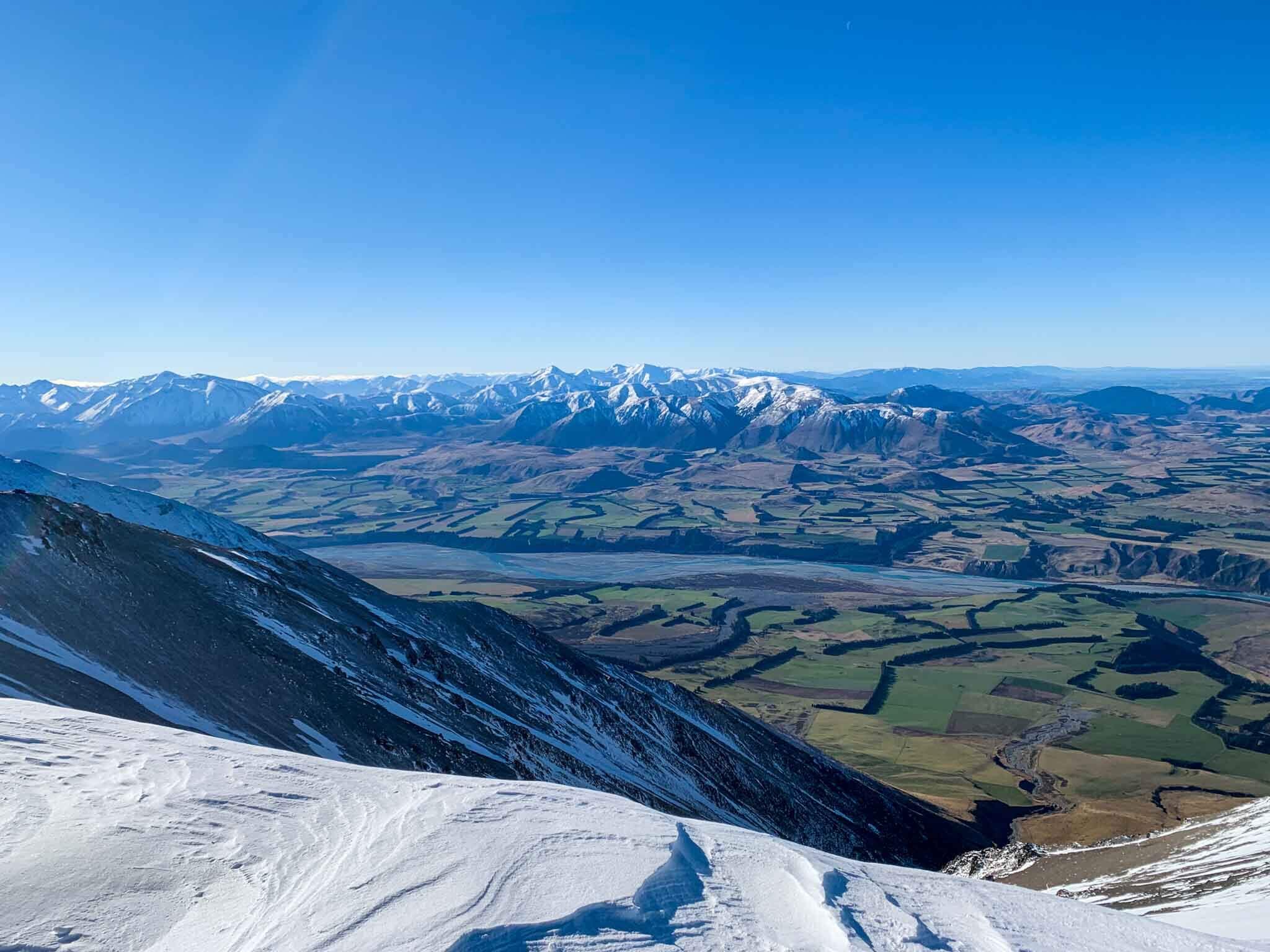


MT HUTT FREQUENTLY ASKED QUESTIONS
Is Mt Hutt Open?
This is a question you will have to stay on top of. Mt Hutt is prone to weather closure but the latest information is always posted here. Mt Hutt is a year-round resort that is open between 9 am - 4 pm daily.
How Far Is Mt Hutt from Christchurch?
The drive from Christchurch to Mt Hutt takes 1 hour 30 minutes and is pretty easy. Once at Mt Hutt base car park, the adventure begins, as the access road is not the best. The road is unsealed and bumpy however we regularly made it up in our campervan. It is important to carry chains when driving up to Mt Hutt. If you do not feel confident in driving the road there are buses that run from Christchurch and Methven.
Do you need chains for Mt Hutt?
You are required to carry chains to drive up to Mt Hutt. Whether you need to fit your chains is posted at the bottom of the access road to Mt Hutt. Mt Hutt offers a snow chain rental and fitting service at their base area car park.
How Far Is Mt Hutt From Queenstown?
Skiers and snowboarders taking advantage of the NZ Ski Pass will want to visit both Mt Hutt and the Queenstown resorts; The Remarkables and Coronet Peak. The drive from Queenstown to Mt Hutt is around 300km and can be done in one day. We would advise stopping along the way as New Zealand has some great scenic spots to visit.
How Tall Is Mt Hutt?
Mount Hutt has a summit of 2190m above sea level.
RELATED POSTS


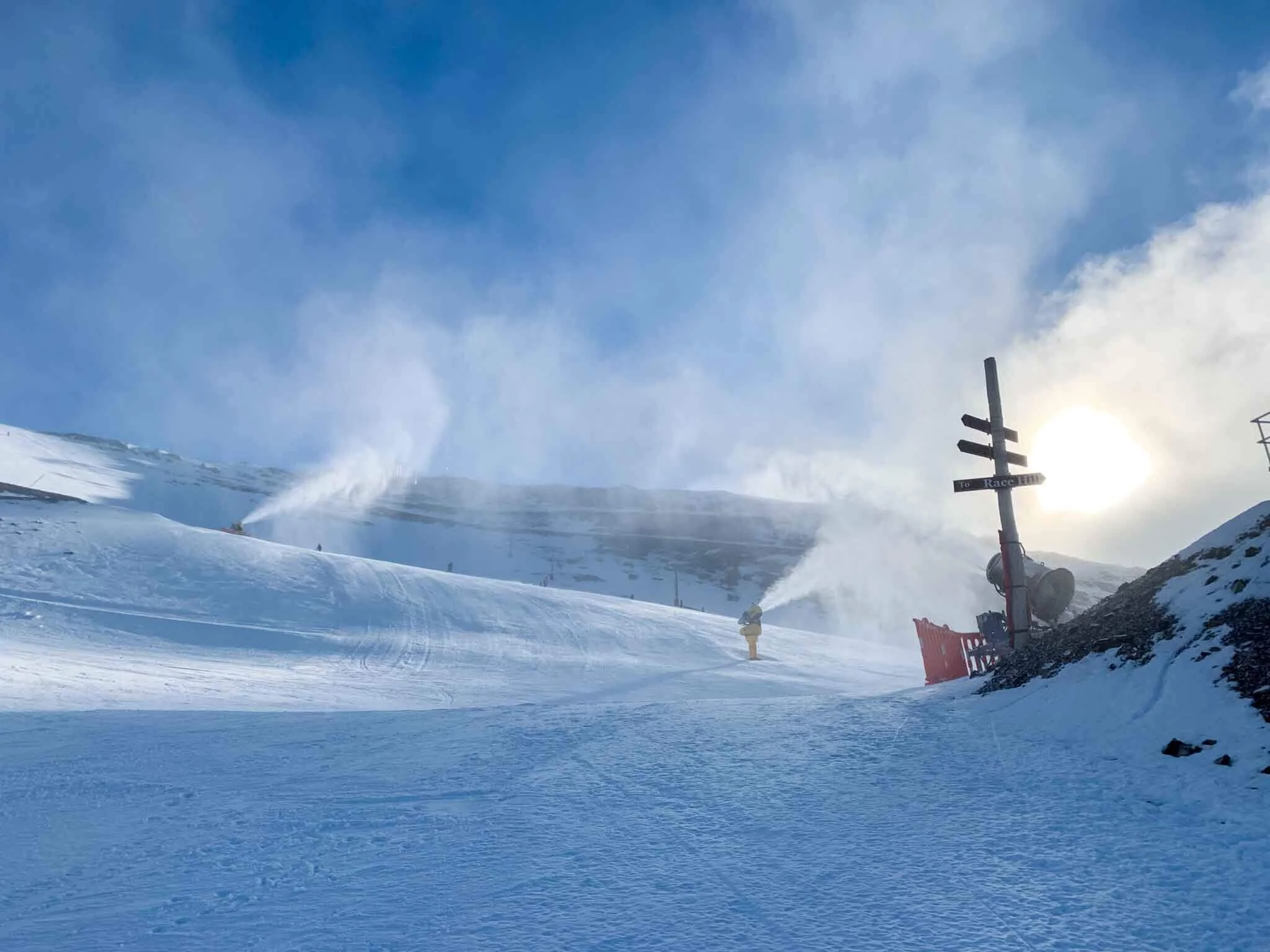


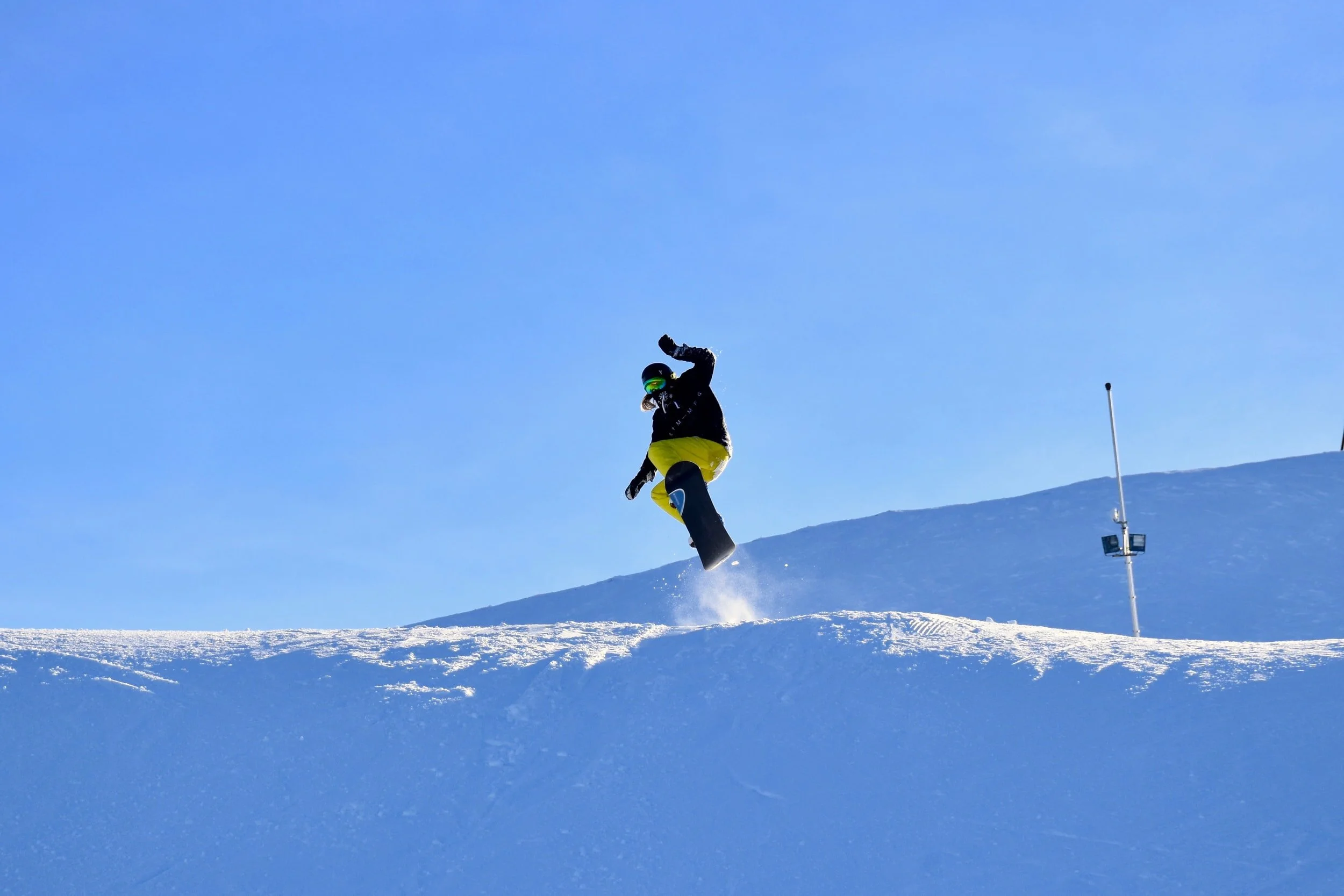


Guide to the Perisher Terrain Parks
Perisher, located in the Snowy Mountains of New South Wales, Australia, is one of the Southern Hemisphere's premier ski and snowboard resorts. Among its many attractions, the Perisher Terrain Parks stand out as a haven for freestyle skiers and snowboarders seeking an exhilarating experience. With a variety of features catering to different skill levels, these parks offer an exciting playground for riders of all abilities. Here's a comprehensive guide to the Perisher Terrain Parks:

Perisher Front Valley Terrain Park
The Perisher Terrain Parks are designed to provide a diverse range of freestyle features, including jumps, rails, boxes, and other obstacles. Whether you're a beginner looking to learn or an experienced rider wanting to progress your skills, the parks at Perisher have something for everyone.
In total, Perisher has seven terrain parks and boarder cross areas spread across the four mountains that combine to make Perisher ski resort. Let’s take a closer look at each of the different Perisher Terrain Parks.
PIPER TERRAIN PARK - SMALL
The Piper Terrain Park is an entry-level park perfect for freestyle beginners and first-timers. The Piper Terrain Park is made up of a combination of small features including rollers, dancefloors and ride-on boxes and rail features. The Piper Terrain Park is the perfect place to either grow your confidence in the park or try new tricks on smaller features.
YABBY FLAT MINI TERRAIN PARK - SMALL
Another fantastic terrain park for beginners is the Yabby Flat Mini Terrain Park next to the Perisher Quad Express Chair. This terrain park is popular as it is home to the Perisher Jump Cam which takes photos of riders showing of their air-time grabs. The Jump Cam is just one of a number of features in the Yabby Flat Mini Terrain Park which includes boxes and rails.
LEICHHARDT TERRAIN PARK - MEDIUM TO LARGE
This park is situated in the Leichhardt area it's a great place for intermediates to develop their freestyle skills before progressing to more advanced setups. Over recent years the Leichhardt Terrain Park has got bigger ensuring longer runs, with more lanes of freestyle features. Perisher brand the Leichhardt Terrain Park as an intermediate/advanced terrain park with both jumps and rails much bigger than those found in Piper and Yabby Flat. In the Leichhardt Terrain Park you will find jumps of up to 30ft.
BLUE COW TERRAIN PARK - MEDIUM TO LARGE
Located at Blue Cow, this park offers a mix of intermediate and advanced features. It's ideal for riders looking to challenge themselves with larger jumps and more technical rail setups. The Blue Cow Terrain Park is a progression from the Leichhardt Terrain Park. Blue Cow has a number of varied features including; hips, boxes, jumps and rails. Blue Cow Terrain Park draws less crowds than the other parks as it is away from the main resort runs.
FRONT VALLEY SLOPESTYLE TERRAIN PARK
This is the primary park area, easily accessible from the Front Valley ski lifts. It features a variety of jumps and rails, suitable for all skill levels. The features are arranged in a progressive manner, allowing riders to build their confidence and skills.
Front Valley Slopestyle Park is world-class and attracts skiers and snowboarders from across the globe, with many professionals using it as their summer training base. Front Valley Terrain Park has a good mix of features and can be lapped either by the parallel T-Bars of the 8-Person Express Chairlift.
Front Valley Terrain Park is where you want to be if you are intending to hit the largest features in the resort.
CENTRE VALLEY RIDER-CROSS - MEDIUM
Perfect for after you have dialled in the Yabby Flats beginner course, the Centre Valley Boarder Cross track and a longer track with more bank turns and rollers. The Centre Valley Rider Cross is a great place to build your confidence riding variable terrain.
SUN VALLEY RIDER CROSS - LARGE
If mastering the boarder cross track is your main aim then the Sun Valley track is the one for you. Sun Valley has the longest rider cross area at Perisher ski resort combining some of the most interesting features. Head to the Sun Valley rider cross to take on steep banked turns, rollers and jumps.
FEATURES
Perisher Terrain Parks offer a wide range of features, including:
Jumps: From small tabletop jumps for beginners to large kickers for advanced riders, Perisher has a variety of jumps to suit different skill levels. Jump lines are often labelled according to their size, making it easy for riders to choose based on their comfort level.
Rails and Boxes: The parks feature an array of rails and boxes of various shapes and sizes. These are perfect for practising tricks, spins, and slides. Beginners can start with simple flat boxes, while more experienced riders can take on more challenging features like kinked rails and rainbow boxes.
Progression Parks: Perisher has designed certain areas specifically for progression. These parks provide a controlled environment for riders to learn and refine their freestyle skills on smaller features before moving on to larger setups.
SAFETY
Safety is paramount in any terrain park. Here are some safety tips:
Always wear appropriate protective gear, including helmets.
Start with features that match your skill level and gradually progress to more advanced ones.
Observe other riders before attempting a feature to understand the proper approach and technique.
Respect the park rules and guidelines. They are in place to ensure the safety of all park users.
LESSONS AND COACHING
Perisher offers lessons and coaching sessions for riders looking to improve their freestyle skills. Professional instructors can provide valuable guidance, helping you learn new tricks and refine your technique in a safe and controlled environment.
EVENTS AND COMPETITIONS
Throughout the snow season, Perisher hosts various freestyle events and competitions in its terrain parks. These events provide an opportunity for riders to showcase their skills, learn from others, and enjoy a sense of camaraderie within the freestyle community.
FINAL THOUGHTS
The Perisher Terrain Parks offer an exciting and dynamic freestyle experience for skiers and snowboarders of all levels. With well-designed features, dedicated progression areas, and a commitment to safety, these parks provide a platform for riders to push their limits, learn new tricks, and enjoy the thrill of freestyle snow sports. Remember to always prioritize safety, respect park rules, and have fun exploring the diverse features the parks have to offer.

The Difference Between Sintered And Extruded Snowboard Bases?
When choosing a snowboard the base should be one of your considerations. The base will determine how fast you can go and how often you need to wax your board. Choosing whether to opt for a sintered or extruded base can come down to cost or the type of riding you like to do. The aim of this post is to provide you with the information needed to make the right decision on the base of your snowboard.

Ultimately there is no right or wrong answer to the question, ‘Which snowboard base is right for you?’ as it depends on your circumstances. You will want to consider the following; your budget, how often you snowboard, your ability, and where you spend the most time riding.
EXTRUDED VS SINTERED SNOWBOARD BASES
Let’s do a direct comparison between Extruded and Sintered snowboard bases.
PRICE
Extruded bases will always be cheaper than sintered bases. The manufacturing process is cheaper therefore the board overall is cheaper when using an extruded base. If budget is your main concern then definitely consider going for an extruded base. An extruded base is one of the reasons that the Yes Basic is such a popular board, as it makes an affordable all-mountain option.

Sintered bases are more expensive to make so tend to go into higher-end more costly snowboards. Sintered bases are graded with a higher grade of the base being more expensive. A low-grade sintered base will still be faster than an extruded base (both waxed and in the same conditions) which is why the Korua boards are proving popular. They allow you to access a sintered base at a much lower price. If you are looking for a top-end sintered base and don’t mind paying for it, then consider Jones. Jones snowboards use sintered bases right through their whole line-up.
MAINTENANCE AND DURABILITY
Sintered bases will require more maintenance than extruded bases and are more expensive to repair. Sintered bases will hold wax better than an extruded base but an extruded base requires waxing less often. Waxing both bases will help ensure the base stays in good condition for longer and will influence its speed.
Sintered bases are more durable than extruded bases but when damaged a sintered base will be more expensive to repair. This is one reason that Jib or Urban snowboards are regularly accompanied by an extruded base. Yes, the extruded base may get damaged on a rail but it will be easier and cheaper to fix.

SPEED
Linking to maintenance, a well-looked after sintered base will be faster than an extruded base. Similarly, a higher-grade sintered base will be faster than a lower-grade sintered base. This is because sintered bases are more porous than extruded bases so in effect hold more wax. You probably won't notice this if you are a beginner which is why most beginner boards have extruded bases with advanced boards normally having a sintered base.
ABILITY AND HOW OFTEN YOU SNOWBOARD
It is worth considering your ability when choosing which type of base for your snowboard. If you are a beginner you will not notice the difference and could save money buying an extruded base. As you progress you will want to go faster and that will mean looking for a sintered base snowboard.
Similarly, if you take a one-week holiday every year then opting for an extruded base could be a good option. They are easy and cheap to repair whilst requiring less maintenance. This means you can sling your board into a board bag and not worry about it until you next need it. If you snowboard more than a couple of times a year then a sintered base is going to offer you the most performance.
PARK OR PISTE
The type of riding you like to do the most could also be an important factor in determining whether you should ride an extruded or sintered base. If you enjoy riding rails then it is likely you are going to get some scratches on your base that will need repair. An extruded base will make this cheaper. On the other hand, if you stick to the pistes it is less likely you will damage your board so opting for a sintered base can offer you more performance.
SINTERED VS EXTRUDED SNOWBOARD BASES BY RIDING STYLE
FREERIDE
Snowboarders looking to charge pistes or slash pow lines will be better suited to a sintered base. It is rare for freeride boards not to have sintered bases as freeriders require the extra performance that comes with a sintered base. An extruded base would feel sluggish and hold you back.
FREESTYLE
Freestyle snowboarders have a little more choice when it comes to the sintered v extruded base. Freestyle boards are varied and will come with both sintered and extruded bases. If you ride rails an extruded base will allow you to repair damage more easily and for a lower cost. Alternatively, if you like to hit jumps than a sintered base will give you more speed on the run-in. Urban/Jib boards would normally have an extruded base, as would lower-end park boards. A number of high-end park boards will have sintered bases but these will incur higher purchase prices.
ALL MOUNTAIN
Depending on your all-mountain preferences you could be ok with either an extruded or sintered base. If your an all-mountain rider who likes to spend most of their time outside of the park but will occasionally ride through then a sintered base would work well. If your preference is park and you opt outside on some days then maybe an extruded base would be preferable. Ultimately for all-mountain riders, this choice could come down to budget. If you are worried about the cost then opt for extruded whereas if performance is your main concern then opt for sintered.

SINTERED VS EXTRUDED BASES BY ABILITY
BEGINNER
There really is little point in a beginner buying a sintered base. It will cost more money and you will not feel any benefit from it. Being a beginner you will also have had less experience when it comes to snowboard maintenance and waxing so having an extruded base means less hassle. The only reason a beginner should buy a sintered base is if they intend to keep that board for years. If this is the case the sintered base will not hold them back as they progress.
INTERMEDIATE
Intermediate riders will be looking to progress their riding and explore the mountain. It is likely that intermediate snowboarders will be looking to try new terrain and ride faster around the hill. If this sounds like you then opting for a sintered base would be best. If you are a more casual intermediate, happy to stick to the Green and Blue terrain then an extruded base would suffice.. just bear in mind that extra speed may help out on those flat sections.
EXPERT
Most top-end snowboards will come with a sintered base, even high-end park boards. Unless the only thing you are interested in is hitting rails in the park a sintered base really will be your best option.
FINAL THOUGHTS SINTERED VS EXTRUDED SNOWBOARD BASES
A sintered base will always be the best for speed and performance, as long as it is waxed! You will have to pay more for the privilege. An extruded base is pretty much the lazy person’s answer. They are great for people who ride only a couple of times a year or who can’t be bothered to regularly wax their board.
STILL UNSURE?
As always thanks for reading and if you are still unsure feel free to get in touch via the socials or the comment section. Make sure to check out our Snowboard Buyers Guide where you will find all the information regarding how to buy a snowboard.

Perisher Ski Resort Guide
Comprising of four mountains; Perisher Valley, Smiggin Holes, Guthega and Blue Cow, make Perisher Australia’s biggest ski resort. Perisher boasts about having the largest skiable terrain, the most amount of lifts and some of the best terrain parks in the world.
Perisher Ski Resort
PERISHER FIRST IMPRESSIONS
When arriving at Perisher you need to put a few things in perspective. It is easy to look up at the resort and think, that’s tiny. The vertical drop at Perisher is a mere 355m which is nearly half that of neighbour and long-time foe Thredbo, but what it lacks in height Perisher makes up for in facilities.
Now owned by Vail Resorts and skiable on the Epic Pass, a trip to Perisher means access to world-class facilities, quality snow-making, and incredible terrain parks.
PERISHER SKI RESORT GUIDE
Formerly known as Perisher Blue, Perisher ski resort is spread across four mountains and seven peaks. Perisher is widespread, which can sometimes give the strange feeling of riding a chairlift horizontally to the slopes. Across the four mountains, there is a total of 65km of pistes with the majority suited to intermediate skiers (60%). There is something for everyone at Perisher with plenty of beginner terrain (22%) and even some interesting advanced terrain (18%) such as Kamikaze and Rock Garden over on Mt Blue Cow.
Perisher Ski Resort
Perishers’ layout isn’t without its issues for snowboarders. The somewhat spread-out resort does lead to some notable flat areas that can be tougher to navigate on a snowboard. Getting to know the resort is key to ensuring that you navigate it effectively making use of the 47 lifts around the resort.
Perisher ski resort has over 100 trails with 65km of pistes spread across the four distinct areas.
PERISHER VALLEY
Perisher Valley is the most substantial part of the resort home to Perisher’s famous Front Valley, which is home to a main terrain park and some beginner’s runs. Perisher Front Valley has a decent base area with options for food and rest stops. The Perisher Valley area has over half of the resorts lifts, 26, and over 40 ski trails. Head to Mt Perisher if you are looking for longer descents.
BLUE COW
Blue Cow is home to the ski tube and as such is a starting point for many ski days at Perisher. Blue Cow has a good mix of terrain with Greens, Blues and Blacks all accessible on Blue Cow Mountain. Blue Cow remains a popular spot with 5 of the 8 lifts being chairlifts giving good access to the 32 runs on Blue Cow mountain.
SMIGGIN HOLES
Smiggins is a smaller area with only 16 trails, half that of Blue Cow. Smiggins is short with only 150m of vertical drop meaning that in this area you will be lapping the T-bars quite often. Due to being a smaller area it is less popular so Smiggin can be the place to go to avoid crowds on busier resort days.
GUTHEGA
Guthega is one of the prettiest parts of the resort with tree-lined runs being a highlight of skiing at Guthega. The 19 trails on the Guthega mountain offer little in the way of vertical drop but do allow for some interesting Blue slopes. The Screw and Parachute are an offer for advanced skiers who visit Guthega.
BEGINNERS TERRAIN AT PERISHER
Beginners will find enough to keep them occupied and with a great ski school progression at Perisher is optimistically possible. Lessons at Perisher tend to start by Front Valley, The Blue Cow Ski Terminal or Smiggins.
Starting from Blue Cow Terminal beginners will appreciate Easy Rider which runs alongside the Pleasant Valley Quad chair. Similarly, the Pleasant Valley Quad also gives beginners plenty of options to ski down to Perisher Valley, with the Perisher Valley Run, Winter Way, and Copperhead Road all leading towards Perisher Valley.
INTERMEDIATE TERRAIN AT PERISHER
With the majority of Perisher’s terrain geared towards intermediates, you can pretty much head to any of the four mountains and you will find something suitable to ride.
Mt Perisher, home to Australia’s highest chairlift, is a great place for intermediates with plenty of Blue graded terrain accessible via a combination of chairs and surface lifts. Mt Perisher is home to Shifty’s which runs alongside the ski resort boundary. Also on Mt Perisher is the Sun Valley Rider Terrain Park.
Elsewhere in the resort intermediates will enjoy Outer Limit on Blue Cow and may want to head to Smiggins for some quieter T-bar serviced laps.
ADVANCED TERRAIN AT PERISHER
Perisher has a number of decent black-graded runs for advanced riders however there is nothing particularly long. Advanced skiers and snowboard terrain at Perisher are likely to be short and sweet. I enjoyed the terrain on Blue Cow with The Wall making for a short burst of excitement.
FREESTYLE TERRAIN AT PERISHER
Perisher ski resort is well known for its Terrain Parks with five freestyle parks spread across the resort. The terrain parks at Perisher ski resort are world-class and there was even a rumour of Perisher building Shaun White a private half-pipe in the backcountry during Olympic preparations. There are half-pipes in bounds as well and the Perisher Parks have everything from the entry-level to the insane!
Front Valley is home to the largest of 5 Terrain parks that are so good they attract professionals from around the globe to train in the summer season.
NIGHT SKIING AT PERISHER
Perisher has a night-skiing operation twice a week on Tuesdays and Saturdays. The Front Valley area is illuminated between 6 pm and 9 pm.
PERISHER PISTE MAP
Perisher Ski Resort Piste Map
LIFTS AT PERISHER
In total Perisher has 47 lifts spread across the resort and even an additional ski train that can take you between the different mountains at Perisher. The newer modern 8-person express chair at Perishers Front Valley does a great job of moving crowds away from the main car park and around the resort.
In addition to the quads, doubles and triples, there are 33 surface lifts at Perisher, the most notable of which is alongside the Front Valley terrain park.
PERISHER SNOW RECORD
Perisher ski resort does not get huge amounts of snow but it does really well in maintaining good quality snow throughout the season. The base area at Perisher is higher than rival Thredbo so the lower slopes often remain in good condition. The 2+m of average seasonal snowfall combined with great snow-making make Perisher a good bet for your Australian ski and snowboard holiday.
PERISHER SEASON DATES
The ski season in Perisher is a 16-week season that runs between June and October but in reality, the early and late season openings will only be partial openings with some terrain closed on the lower slopes.
PERISHER LIFT TICKETS
Perisher lift tickets are available with the Epic Pass including unlimited skiing and snowboarding at Perisher. This is amazing for North American or European Epic Pass holders heading to Perisher for a week or two.
Lift tickets in Australia can be expensive so plan ahead as deals are often available with buying early saving you up to 35%. At Perisher you can buy single or multi-day lift tickets with regular pricing updates appearing here.
GETTING TO PERISHER
WHERE IS PERISHER?
Nestled in the breathtaking Snowy Mountains of New South Wales and in the Kosciuszko national park, Perisher is a haven for skiers, snowboarders, and all-around winter lovers. In this section I’ll discuss the various transportation options to ensure your journey to Perisher is as smooth as freshly groomed slopes.
FLYING TO PERSIHER
The nearest major airport to Perisher is Canberra Airport (CBR), which is approximately a 2.5 to 3-hour drive away. To get to Canberra you will likely have to fly into Sydeny and connect. This route was genuinely exciting with the plane between Sydney and Canberra being one of the smallest i’ve ever flown on.
Upon arrival at the airport, you have the option to rent a car, book a shuttle service, or even take a bus to reach your snowy destination. The drive from Canberra Airport to Perisher is not only picturesque but also gives you a taste of the stunning Australian alpine landscapes.
DRIVING TO PERISHER
Driving to Perisher is a popular choice, especially for those who prefer the flexibility of having their own vehicle. The journey is an experience in itself, with scenic routes winding through charming towns and lush forests. From Sydney, the drive takes around 5 to 6 hours, covering approximately 470 kilometres (292 miles). Make sure to check road conditions and weather forecasts before setting out, as the Snowy Mountains region can experience varying conditions during the winter months.
When driving to Perisher be aware that native animals such as Kangaroos and Walibis live near the roads and can often run out into traffic. This is nearly as much of a hazard as local drivers who fly down the roads at vast speeds.
If driving to Perisher, it is the law that 2WD vehicles carry snow chains as they may be required on the road. In all-honestly having spent a season living in Jindabyne and driving to the resorts, there were very few occasions when these were needed, it does however remain a legal requirement.
COACH OR BUS TRAVEL TO PERISHER
For those looking to sit back, relax, and enjoy the scenery, coach services provide a convenient option. Several companies offer coach services from major cities like Sydney, Melbourne, and Canberra, directly to Perisher. These services often include comfortable seating, storage space for your winter gear, and some even offer onboard entertainment to make the journey part of the adventure.
PERISHER SKI TUBE
Once you've reached Bullocks Flat, which is about a 20-minute drive from Jindabyne, you can hop on the Skitube Alpine Railway. This unique train takes you directly to Perisher Valley or Blue Cow, allowing you to avoid the need for additional road travel. The Skitube provides a quick and efficient way to access the slopes, especially during snowy conditions.
In conclusion, getting to Perisher is an exciting part of the journey that sets the stage for your winter adventure. Whether you opt for air travel, a scenic road trip, or a combination of transportation modes, the options are plentiful. Plan ahead, consider the weather, and choose the mode of transportation that aligns with your preferences and schedule.
PERISHER ACCOMMODATION
With its stunning alpine landscapes and world-class skiing and snowboarding opportunities, Perisher offers a variety of accommodation options to suit every budget and preference. This guide will help you navigate through the different types of accommodations available within the Perisher area, including staying in the nearby town of Jindabyne, New South Wales.
ACCOMMODATION IN PERISHER
Perisher offers a range of accommodations right at the heart of the snow action. Here are some options to consider:
1. Lodges and Hotels
Perisher boasts a selection of lodges and hotels catering to various needs. From luxury lodges with spa facilities to cosy hotels with easy slope access, you'll find options that provide comfort and convenience. Consider a stay at The Man From Snowy River Hotel, which is recommended by TheSkiPodcast.
2. Apartments and Chalets
For those seeking more space and the ability to prepare their own meals, apartments and chalets are a great choice. Many of these accommodations come with fully equipped kitchens and living areas, making them ideal for families or groups.
STAYING IN JINDABYNE, NSW
Jindabyne is a popular nearby town that serves as a gateway to the Perisher ski resort. It's situated about a 30-minute drive from Perisher and offers a wider range of accommodations for visitors.
1. Hotels and Motels
Jindabyne offers a variety of hotels and motels that cater to different budgets. Whether you're looking for a cosy budget motel or a more upscale hotel with lakeside views, you'll find options that suit your needs.
2. Holiday Parks and Cabins
For a more relaxed and rustic experience, consider staying in one of the holiday parks or cabins around Jindabyne. These often provide self-contained units with cooking facilities, making them suitable for families and groups.
3. House Rentals
Jindabyne has a selection of vacation rental homes available. These are perfect for larger groups or families looking for more space and privacy. Renting a house allows you to have a home-away-from-home experience while exploring the area.
4. Hostels and Lodges
If you're travelling on a tight budget or prefer a social atmosphere, Jindabyne has a few hostels and lodges where you can meet fellow travellers and enjoy a more communal experience.
PERISHER PROS
Vast Terrain: Perisher is the largest ski resort in the Southern Hemisphere, offering an extensive range of ski slopes and trails suitable for all skill levels, from beginners to advanced skiers and snowboarders.
Snow Reliability: The resort's location in the Snowy Mountains of Australia provides relatively consistent snowfall during the winter season, ensuring good skiing conditions for most of the season.
Modern Facilities: Perisher has invested in modern infrastructure, including high-speed chairlifts, well-maintained lodges, and updated snowmaking systems, enhancing the overall skiing experience.
Terrain Diversity: The resort boasts a variety of terrain types, from groomed beginner slopes to challenging expert trails, making it appealing for families, casual skiers, and those seeking more adventurous runs.
Snowsports School: Perisher offers excellent ski and snowboard lessons for all ages and skill levels, making it an ideal destination for beginners looking to learn the basics and for intermediate/advanced skiers aiming to improve their technique.
Terrain Parks: The resort features well-designed terrain parks catering to freestyle enthusiasts, including features like jumps, rails, and halfpipes, providing opportunities for snowboarders and skiers to practice tricks.
Spectacular Views: The Snowy Mountains offer breathtaking alpine scenery, and skiing at Perisher provides the chance to enjoy stunning panoramic views while navigating the slopes.
PERISHER CONS
Crowds: Perisher's popularity can lead to crowded slopes, particularly during peak seasons, which may result in longer lift lines and more congested trails.
Weather Variability: While the resort generally receives consistent snowfall, weather conditions can be unpredictable, affecting the quality of skiing and visibility at times.
Distance from Major Cities: Perisher is situated several hours' drive from major cities like Sydney or Melbourne, making it less accessible for day trips and potentially requiring longer travel times.
High Costs: Skiing at Perisher can be expensive, with costs including lift passes, equipment rental, accommodation, and dining. This might make it less budget-friendly for some visitors.
Beginner Concentration: Despite the range of trails, a significant portion of Perisher's terrain is designed for beginners and intermediate skiers. Advanced skiers seeking challenging terrain might find fewer options compared to some international resorts.
Snow Conditions: While Perisher invests in snowmaking, the snow quality and coverage can still be affected by weather conditions, potentially leading to variable snow conditions on certain runs.
PERISHER SKI RESORT FAQs
Planning a trip to Perisher Ski Resort? Here are answers to some frequently asked questions to help you make the most of your winter adventure.
GENERAL INFORMATION
1. Where is Perisher Ski Resort located?
Perisher Ski Resort is located in the Snowy Mountains of New South Wales, Australia. It's situated approximately 5-6 hours' drive from Sydney and around 2.5 hours' drive from Canberra.
2. When is the ski season at Perisher?
The ski season at Perisher typically runs from June to October, depending on snow conditions. The peak of the season usually falls between July and August when the snow cover is most reliable.
3. How do I get to Perisher Ski Resort?
You can reach Perisher by car, bus, or by flying to nearby airports like Canberra Airport or Cooma-Snowy Mountains Airport. Shuttle services and buses operate during the ski season, providing transportation from airports and major cities.
4. Do I need to book accommodations in advance?
It's highly recommended to book accommodations in advance, especially during peak ski season. Perisher offers a range of lodging options, from lodges and hotels to apartments and chalets. Booking early ensures you secure your preferred choice.
LIFT PASSES AND EQUIPMENT
1. How do I purchase lift passes?
You can purchase lift passes online through the Perisher Ski Resort website or at various ticket outlets in the region. Buying online in advance often provides discounts compared to purchasing on-site.
2. Do I need to book ski or snowboard equipment in advance?
While it's not mandatory, booking your equipment rental in advance is a good idea, especially during busy periods. Pre-booking ensures you have the right gear ready for your arrival and can save you time at the rental shop.
3. Can I rent ski or snowboard clothing?
Yes, many rental shops offer clothing rental, including jackets, pants, and accessories. If you're new to skiing or snowboarding, renting clothing can be a cost-effective option.
4. Is there a ski school for beginners?
Absolutely! Perisher has excellent ski and snowboard schools for beginners of all ages. Lessons are available for various skill levels, and professional instructors will guide you through the basics and help you build your confidence on the slopes.
ACTIVITIES AND AMENITIES
1. Are there activities for non-skiers?
Yes, Perisher offers a variety of non-skiing activities, including snowshoeing, tobogganing, scenic chairlift rides, snow play areas, snow tubing, and more. See the "Non-Skiing and Snowboarding Winter Activities" section of this guide for details.
2. Are there facilities for children and families?
Perisher is family-friendly and offers facilities like kids' clubs, dedicated children's learning areas, and family-oriented accommodations. Childcare services and programs are also available for young children.
3. What are the dining options at Perisher?
Perisher has a range of dining options, from casual cafés and restaurants to on-mountain lodges. You'll find a variety of cuisines to suit different tastes and budgets.
4. Is there Wi-Fi available at Perisher?
Wi-Fi is available at various lodges, restaurants, and designated hotspots across the resort. However, due to the remote mountain location, the quality and availability of Wi-Fi may vary.
HEALTH AND SAFETY
1. Do I need travel insurance for skiing at Perisher?
Travel insurance is highly recommended for any ski trip. It can cover unexpected events, such as trip cancellations, medical emergencies, and lost equipment.
2. Are there medical facilities at the resort?
Yes, Perisher has medical facilities and first aid centres on-site. In case of injuries or medical issues, trained personnel are available to provide assistance.
3. What is the altitude of Perisher Ski Resort?
The base elevation of Perisher Ski Resort is around 1,720 meters (5,643 feet), while the highest lifted point is approximately 2,054 meters (6,739 feet).
PERISHER FINAL THOUGHTS
In summary, I like Perisher for what it is, an opportunity to get on snow in the summer. There are things that would annoy me about Perisher if it was the only place I skied; it can be busy, the layout of the resort can be frustrating… but overall Perisher makes for a great ski destination. There is plenty of terrain, especially for intermediate skiers, the freestyle set up is incredible so if thats your thing I would highly recommend Perisher.

Thredbo Ski Resort Guide
Having lived and worked at Thredbo it is fair to say that I have plenty of fond memories. As Australian ski resorts go, Thredbo offers the most variety with the largest vertical drop and a European-style village. Thredbo has a reputation for attracting an exclusive clientele but in reality, it is a down-to-earth ski community with lots to offer.
Views @ Thredbo Ski Resort
THREDBO FIRST IMPRESSIONS
It’s fair to say I didn’t get the best first impression of Thredbo. Arriving in early June to begin the interview process there was very little snow on the hill. My first trip to Thredbo was in 2013 which also happened to be one of Australia’s worst seasons for natural snowfall which didn’t help matters. That being said as the days rolled on and the snowmaking got started it was clear to see that Thredbo does a pretty good job of getting terrain open. The village itself is really nice and would be a good place to stay for on-snow accommodation. The village has a number of good bars and restaurants as well as a sports centre with pool and squash courts.
THREDBO SKI RESORT GUIDE
Thredbo has the largest variety of terrain out of the Australian ski resorts. With over 670m vertical drop Thredbo is also the place to go in search of those longer runs. Its big rival and neighbour Perisher has half of that… Still, 670m is much less than major European ski resorts but it opens up enough terrain to keep things interesting.
Thredbo has a good mix of terrain that is well suited to a mix of abilities. Beginners will find Friday Flats and the runs from Crusier chairlift a good place to learn to turn. Intermediates will love Thredbo with a good range of Blue and Black terrain available. High Noon is a particular favourite and is great first thing in the morning. There are some interesting Blue runs at the top of The Basin and in Central Spur.
Friday Flats @ Thredbo Ski Resort
Advanced riders will find little in the way of steeps however, the terrain parks should keep you occupied. The Black graded terrain consists of relatively short runs but I liked Cannonball and Bushwhacker. If you are looking to avoid the crowds heading to Sponars or Anton’s T-Bars is a great place to start. The trail stats are pretty heavily biased towards intermediates with 67% of pistes dedicated to intermediate trails. The rest are evenly distributed between beginner and advanced terrain.
Outside of the resort boundary, you can find some interesting backcountry at Thredbo but be sure to know where you are going as it is easy to get yourself into trouble. Thredbo has opened up the backcountry terrain and you can now purchase a Thredbo backcountry ski pass.
THREDBO PISTE MAP
Thredbo Ski Resort Piste Map
LIFTS AT THREDBO
The lifts are Thredbo are pretty decent with 13 spread across the mountain. The most recent is the Merrits Gondola which replaces the Merrits chair that used to take around 30 minutes to reach Cruiser from the Valley terminal. Lifts at Thredbo are sometimes prone to closure due to high winds which is why the upper lifts are mainly T-bars so they can keep spinning for longer on those windy days.
THREDBO SNOW RECORD
Thredbo is similar to most Australian ski resorts in that it is not blessed with copious amounts of snowfall. An average of 2m per season is normal and Thredbo heavily relies on its snow-making. This is particularly true of its lower slopes where the resort staff work tirelessly to keep the terrain open. The upper slopes at Thredbo fair fine throughout the season with conditions cold enough to ensure the snow coverage remains. Powder days are rare at Thredbo but when they do come they are very enjoyable. In 2020 Thredbo received 85cm in one dump so powder days remain a rare possibility.
THREDBO SEASON DATES
The ski season in Thredbo runs between June and October but in reality, the early and late season openings will only be partial openings with some terrain closed on the lower slopes. Check here for the latest season opening dates.
THREDBO LIFT TICKETS
7 days of lift passes are included in the IKON Pass which may encourage some to make the journey to Thredbo. Similarly, Mountain Collective holders will benefit from 2 days of lift tickets for Thredbo.
Purchasing your lift pass for Thredbo can cost upwards of $100Aus per day. Up-to-date lift pass information can be found here.
GETTING TO THREDBO
Where is Thredbo?
Thredbo ski resort and village are in the Kosciuszko National Park in the Snowy Mountains. Popular with locals from Sydney and Canberra the most popular way to access Thredbo is by car. The drive from Sydney airport is around 500km whereas Canberra is 215km from Thredbo. If you are looking for airport parking consider using Flyparks.com.au. It is possible to arrive at Thredbo via shuttle bus from Cooma but this route is less often used.
The drive to Thredbo is fairly simple with roads being pretty unremarkable when compared to the windy roads found in Europe or neighbouring New Zealand. If you choose to drive you are required to carry chains with pretty large fines for failing to do so. Beware of the kangaroos, that call the fields close to Thredbo home, as it’s not unknown for them to dart out in front of your car.
THREDBO ACCOMMODATION
Accommodation in Thredbo village is possible, as is staying in nearby Jindabyne. Jindabyne is more affordable but will require a 30-minute drive to the resort each morning. Thredbo village is home to a range of accommodation options with a hostel, apartments, and hotels all available.
THREDBO PROS
Thredbo has the largest vertical drop of Australian ski resorts meaning longer runs
Thredbo has a great village with a range of restaurants, shops, and accommodation
Thredbo has a new gondola making resort access even quicker from the village
Thredbo has the highest accessible lift point in Australia
THREDBO CONS
Thredbo’s lower slopes can be prone to poor snow in early and late season
Thredbo is a popular Australian ski resort and can become very crowded on weekends and during holiday periods
Thredbo has expensive lift tickets so try to book early!
THREDBO ACTIVITIES
Thredbo resort has plenty to offer away from the snowboarding. There are a number of snowshoe tracks for those looking to explore the mountains at a slower pace. Thredbo also has a mountain coaster (toboggan track) which is great fun. The leisure centre at Thredbo has a swimming pool with inflatables for the kids whilst offering a range of sports and fitness classes. Yoga is a popular way to recover after a day out on the snow. Thredbo Alpine Hotel also has an outdoor heated pool with a bar.
THREDBO FREQUENTLY ASKED QUESTIONS
How Much Does It Cost To Ski At Thredbo?
A lift ticket to Thredbo will cost over $100Aus per day although discounts are available for multi-day or pre-purchased online tickets. The most economical way to ski at Thredbo is using the Thredbo 365 pass that offers year-round access to the resort. If you plan to snowboard for more than one week throughout the season you should save money.
When Can You Ski In Thredbo?
Peak season for snowboarding and skiing at Thredbo is Late June through to the end of August. You can ski and snowboard either side of these dates from the start of June until the beginning of October however snow conditions can vary heavily.
Is Thredbo Good For Beginners?
As a former Thredbo instructor, I think Thredbo is a great place to learn. There are purpose-built beginner areas and a great progression of runs. Lessons at Thredbo happen in both the morning and afternoon so you can fit them around your other commitments.
Do I Need Chains To Drive To Thredbo?
It is a legal requirement to carry chains whilst driving to Thredbo in a two-wheel-drive vehicle. The road to Thredbo can become covered in snow and there are plenty of chain fitting bays along the route.
How Far Is Jindabyne From Thredbo?
The town of Jindabyne is 30km from Thredbo. The road is a nice drive and mostly has clear conditions. On heavy snow days, be prepared for queues along the road.

Best Summer Snowboarding Destinations
With American Ski Resorts recording record snowfalls and European resorts having epic powder days in April, maybe, like us you are not quite ready to apply the storage wax. If you are not ready to put that snowboard in storage for summer then you are in luck. Here is our list of some of the top places you can head when most lifts have stopped turning.


TIME TO GET EPIC
Australia might not be the first place to come to mind when you are dreaming of heading to the snow, but it should definitely be on your list. None more so than if you are an Epic Pass holder as you will get unlimited slope time at three of Australia’s best-known resorts; Perisher, Hotham, and Falls Creek. Be prepared to rub shoulders with some of the best skiers and snowboarders in the world who often use Perisher as a summer training base.

It is also worth considering a trip to Thredbo. Thredbo has the largest vertical drop in Australia meaning that it offers some of the longest runs down under. A trip to Thredbo means more time snowboarding and less time riding lifts. That coupled with a great park set-up and some easy access backcountry makes Thredbo a viable option for some summer snow.
HEAD SOUTH FOR WINTER
South America is on pretty much every skier and snowboarder’s bucket list with Argentina and Chile offering a number of top-quality resorts to choose from. To this day, Cerro Catedral remains the most scenic place I have snowboarded and would recommend the experience to everyone. Cerro Catedral also has some incredible lift-accessed backcountry. A short walk accesses La Laguna area, which is memorable and the inbounds chutes of Nubes chair are incredible for a powder day.
Other notable resorts to consider in Argentina would be Las Lenas for some pretty extreme lines and great snow quality due to its high altitude and Cerro Castor on the southern tip of Patagonia. Once you have filled yourself with as much Argentinian steak as possible you should also consider heading to Chile where Valle Nevado and Portillo rank extremely high on the list.
EUROPEAN ALPS
Europe is home to some fantastic summer snowboarding options with the possibility to snowboard 365 days per year. With glacier snowboarding possible in; France, Switzerland and Italy and longer seasons in Scandinavia, there are plenty of options to extend your season.
Les 2 Alpes is a major base for European summer skiing and its 11 glacier runs make it one of the largest summer ski areas in Europe. Les 2 Alpes is the perfect place to practice freestyle through the summer months and it boasts a slopestyle course, big air as well as a half-pipe and parks suited to all abilities. The summer season runs from June through August.
Zermatt is a year-round resort and can be accessed from Switzerland or the Italian resort of Cervinia. The glacier offers over 20km of summer slopes that are mainly intermediate-focused. Of course, as with most summer options, Zermatt offers a terrain park but unlike most, it offers incredible views of the Matterhorn.

Saas-Fee is another European resort that keeps the lifts turning throughout the summer months. With 20km of pistes open, a terrain park with features suited to beginners and professionals alike, it’s easy to see why so many athletes base themselves on the Saas-Fee glacier during the summer months. The Glacier opens in July and closes in October.
Passo Stelvio in Italy sits at the top of a high mountain pass which remains closed throughout the winter. Because the area is inaccessible during the main winter ski season, the snow piles up and the resort opens in May when the road re-opens. Snowboarding at Passo Stelvio remains one of the most unique ski experiences in Europe.
NEW ZEALAND
With internationally renowned resorts and smaller ski fields accessible on both the North and South Islands a New Zealand ski trip presents plenty of variety.
The South Island has some really interesting options with the parks at Cardrona, the steeps of Treble Cone or the multi-access lift pass that gives access to Coronet Peak, The Remarkables and Mt Hutt. When a season pass for three resorts sets you back £335 there is very little to consider. New Zealand lends itself to adventure and road-tripping this incredible country is a great way to see the resorts during the summer months.
NORTH AMERICA
North America had to have somewhere that would stay open through the summer and there are two big hitters.
Whistler is a destination on many hardened ski and snowboarders’ wish list. But did you know they are open for summer shredding? Although a relatively short season when compared to the European resorts on this list, Whistler will be open from June 8th to July 14th in 2019. Another benefit of being in Whistler during the summer months is the plethora of other activities on offer. A visit to the Whistler Bobsleigh where you can ride the Olympic track should not be missed!
The PNW looks for all intents and purposes to be an incredible place to live. Those lucky enough to call this home get the pleasure of snowboarding year-round in addition to; forests, coastline and huge lakes. Mt Hood will be the destination with the longest US ski season running into September! A trip to the Pacific North West will have you throwing a method in the morning and barbecuing by the lake as the sun goes down.
FINAL THOUGHTS
There really are so many options that can keep you on snow throughout the summer months. A summer snowboarding experience can be a much more rounded experience with mornings spent shredding before relaxing in nature throughout the afternoon.
I would love to hear from you! What is your favourite summer snowboard destination? Do you have a favourite month of the year to ride? Let me know in the comments and on my socials.

Japanese Snow Monkeys Experience
Nestled in a serene ravine in the northern part of Nagano Prefecture lies Jigokudani Yaen Koen, the Snow Monkey Park, where a troop of Japanese macaque monkeys has been captivating visitors since 1964. This unique attraction allows you to observe these playful primates up close, especially during the winter months when they indulge in the comforting warmth of the natural hot springs.
GETTING TO THE JIGOKUDANI MONKEY PARK
Although the monkeys inhabit remote mountainous areas, reaching the Snow Monkey Park is feasible with the convenience of buses running from popular destinations like Nagano (40 minutes), Nozawa Onsen (30 minutes), Shiga Kogen (30 minutes), Yudanaka, and Shibu Onsen (10 minutes) to Kanbayashi Onsen. From there, embark on a picturesque 25 to 40-minute forest trail walk to the park, which remains accessible year-round.
My journey started in Hakuba where I took a bus 2 hours directly to the start of the walk to the snow monkey park. The bus journey cost 3900 YEN which is equivalent to around £27. The bus departed from the Happo Bus Terminal and tickets could be purchased inside the bus station.
WALKING TO THE SNOW MONKEY PARK
Regardless of your journey’s origin, you will be dropped at the Snow Monkey Park bus stop in the village of Kanbayashi Onsen. From the bus stop, you will walk uphill towards the start of the trail to the snow monkey park.
In total, the walk to Snow Monkey Park will take 30-40 minutes and cuts through beautiful woodland. Due to the popularity of the Jigokudani monkey park, this path is well trodden, although depending on your footwear you may wish to hire spikes (1350YEN) in winter at the bottom of the trail.
The trail from the car park is 1 mile in length and winds through the forest. The path is mostly flat although may be covered in snow. To access the park, the path leads to a steep staircase which is inaccessible to wheelchair users.
During the winter, the path will be covered in snow and ice. Heavy snowfall is a regular occurrence in this region of Japan so dressing appropriately should be a high priority. Temperatures can drop below -10°C and if required snow suits can be hired from the gift shop at the start of the trail.
Rental from the gift shop can not be booked in advance and are therefore subject to availability and demand. Renting boots will cost 800YEN whereas a warm winter jacket will cost 500YEN.
Japanese macaques, fondly known as snow monkeys, boast the northernmost range of any non-human primates in the world. The park is also called the Jigokudani Monkey Park or the Jigokudani Yaen Koen.
JAPANESE WILDERNESS
The Jigokudani Monkey Park is an escape from the usual hustle and bustle of Japanese cities. Situated along the Yokoyu River in the Shiga Kogen foothills, Jigokudani is a welcome change to the pace of life in Japan. The woodland and park are draped in snow throughout the winter and the rugged terrain and geothermal activity combine to make this a unique landscape. Here, amidst the lush forests and towering mountains, multiple troops of monkeys, totalling in the hundreds, call this enchanting place their home.
Established as a facility in 1964, Snow Monkey Park offers a unique opportunity to observe Japanese macaques in a natural environment without cages or fences. Beyond this, it serves as an educational platform, allowing visitors to learn about primate behaviour while contributing to keeping the monkeys away from neighbouring farmlands. The park staff provides daily meals to the monkeys, ensuring they frequent the area year-round.
JIGOKUDANI SNOW PARK ETIQUETTE
For the protection of the monkeys and their habitat, it is important to follow the park's rules during your visit. It is requested that you do not feed the monkeys. The more that visitors feed the monkeys this can lead to unwanted encounters or monkeys trying to steal food from visitors. You should keep your distance from the monkeys allowing them space and ensure you avoid eye contact. Eye contact to the monkeys can be seen as an act of aggression so should be avoided.
MONKEY BATH TIME
The highlight of Snow Monkey Park is witnessing the monkeys bathing in the soothing hot springs during winter. The best time to witness this captivating sight is between December and March. The macaques follow their own rhythms and bathe freely, moving between the different baths ensuring everyone can get a good view.
On my visit, I was blown away by the amount of monkeys present in the baths. A good rule of thumb for me was to move to an area where no monkeys were currently bathing. This meant you could find a prime position for when they eventually left the crowded pools and opted for a more secluded experience.

Observing the monkeys bathing, you could see clearly the hierarchy and family grooming processes that the Japanese Macaques abide by.
FINAL THOUGHTS
For me, this visit was a highlight of my trip to Japan. Despite being a two-hour bus ride away from Hakuba I would say the visit is very much worth it. Jigokudani Yaen Koen promises an unforgettable encounter with the snow monkeys, offering a glimpse into the beauty of their natural habitat. Witnessing these macaques soaking in the hot springs amidst picturesque surroundings is a truly awe-inspiring experience.

Hakuba 47 Ski Resort Guide
Hakuba 47 ski resort is a year-round resort that offers skiing and snowboarding during the winter and mountain biking during the summer months. Hakuba 47 is one of the few linked ski areas in the Hakuba Valley and you can ride via chairlift between Hakuba 47 and the nearby Hakuba Goryu ski resort. Hakuba 47 offers more advanced terrain than its neighbour with some steep runs but most impressive is its well-maintained terrain park.

HAKUBA 47 SKI RESORT FIRST IMPRESSIONS
Snowboarding between Hakuba 47 and Hakuba Goryu is a nice change of pace. Normally in the Hakuba Valley, you will need to take shuttle buses to ride between the resorts, but not here. Linked via shared runs and lifts, it is possible to ski both of these resorts in one day. The Hakuba 47 side of the ski resort has a beautiful red run that runs from the top of Quad Chair C, back to the base of the gondola. From the gondola, you can see why Hakuba 47 is so popular with freestyle skiers and snowboarders. The terrain park here has a small half pipe as well as a large, medium and small line of jumps and features.
HAKUBA 47 SKI AREA
Japanese ski resorts are not known for having lots of skiable terrain but when considering Hakuba 47 without its neighbour you are left with 8 trails and a half-pipe. The skiable terrain at Hakuba 47 increases when you consider the interconnected trails shared with Hakuba Goryu. The terrain at Hakuba 47 will appeal to intermediates and experts more than beginners. Beginners should consider the runs near the base of Goryu ski resort which has mellow beginner-friendly pistes.
The main draw to Hakuba 47 is the terrain park. Located next to the top station of the Hakuba 47 gondola, the terrain park is serviced by its own chairlift. The terrain park is probably the best in the Hakuba Valley with three distinct lines of features that have something for all abilities.
The features were incredibly well maintained and there was a clear progression of ride-on boxes to larger rail features. As with most terrain parks the kickers are placed adjacent to the chair lift so you can watch in awe as you plan your next lap from the chair.
The jewel in the crown for Hakuba 47 is the half pipe which was one of two that I came across in Hakuba (the other at Norikura). The half-pipe is at the top of the park and leads down into some more mellow features. This area of the resort can become busy during peak days so be prepared to queue to get your park laps in.
Away from the terrain park, Hakuba 47 has some fantastic tree skiing. To ski in the trees at Hakuba 47, you must visit the ski school to sign a waiver and collect a bib which must be worn whilst in the tree skiing zones. This is so that it is visible to ski patrol that you have taken the course and are permitted into the area. This seems overkill to me but at least the zone is open and available should you wish to partake. Entry into these zones without completing this process can result in having your ski pass confiscated.
There are further tree zones at Hakuba 47 and neighbouring Goryu that are strictly prohibited. These zones have an avalanche history so go at your own risk. If you ride in these zones you will lose your lift pass if caught by ski patrol but that could be the least of your worries.
The longest run at Hakuba 47 is 6.4km allowing skiers and snowboarders to make use of the 794m of vertical drop. The snow quality at Hakuba 47 is exceptionally good with regular dumps of Japow amounting to around 12m per season!
BEGINNERS TERRAIN HAKUBA 47
Hakuba 47 ski resort is not the best choice for beginners heading to the Hakuba Valley. The limited green terrain on offer means that beginners may find the runs at Hakuba 47 repetitive. The highlight for beginners at Hakuba 47 is the long winding green run from the top of the gondola back to the base area.
INTERMEDIATES TERRAIN HAKUBA 47
The stand-out run for intermediates at Hakuba 47 is the long red run down to the base area. This run is great and offers the chance to open up your turns and get some speed. Sadly, once you have skied it a few times it is no longer that exciting. That is why Hakuba 47 being linked to Goryu is great. This allows skiers and snowboarders to mix up their run choices a bit more throughout the day.
Intermediates looking to get into freestyle will appreciate the terrain park at Hakuba 47. The terrain park offers plenty of opportunity for progression with well-laid-out lines of features.
ADVANCED TERRAIN HAKUBA 47
Advanced skiers and snowboarders will appreciate the Adventure Course at Hakuba 47. This course heads back towards Hakuba Goryu ski resort and consists of some rather large moguls. If bumps are not your thing then consider getting a bib from the ski school and head into the trees. Like with most of the Hakuba Valley, the trees at Hakuba 47 are well spaced and the masses of snowfall doesn't hurt the fun factor.
TREE SKIING HAKUBA 47
The attitudes to off-piste skiing and snowboarding vary depending on which country you are riding in. If unsure you can check this post on where the boundary lies depending on the country. In Hakuba 47, they are becoming more open-minded to the idea of tree-skiing and allowing entry into dedicated tree zones after you have attended a safety course. The safety course is similar to the one at Tsugaike Kogen ski resort and is known as the DBD or Double Black Diamond Club.
I am all for increasing knowledge and safety awareness, especially given the amount of snowfall and avalanche-prone terrain in the Hakuba Valley but here are a couple of thoughts. Once you have attended the safety course you are free to ride the tree areas but there is no requirement to wear a beacon or ski with a buddy. These two steps are essential in dangerous terrain as I am not sure that the bib will save your life should you run into a problem.
HAKUBA 47 TREE RIDING ZONE (TRZ)
Below is a map of the dedicated TRZ or Hakuba 47 Tree Riding Zone. To enter the areas designated for member tree-riding you need to collect an armband (cost 200 yen).

To ride in the TRZ you must do meet the following requirements
Attend the TRZ safety Briefing and sign the waiver
Be older than 13 years old and taller than 150cm. (U18 must ride with parents)
Agree/be able to pay for rescue if required.
Wear the TRZ armband at all times when riding in the TRZ.
Hakuba 47 also has some open tree zones listed on the above TRZ map. Any purple open tree zone does not require TRZ.
HAKUBA 47 PISTE MAP
HAKUBA 47 LIFTS
Hakuba 47 has 5 lifts and a gondola which in my opinion were some of the quickest among the Hakuba Valley ski resorts. This meant that getting laps in was pretty quick unless riding the terrain park where crowds are prevalent and the lift is run slower. There is also a short magic carpet which runs in the kid’s park. There is a lodge at the base and at the top of the Gondola which has eateries and all the usual ski resort facilities.
HAKUBA 47 GALLERY
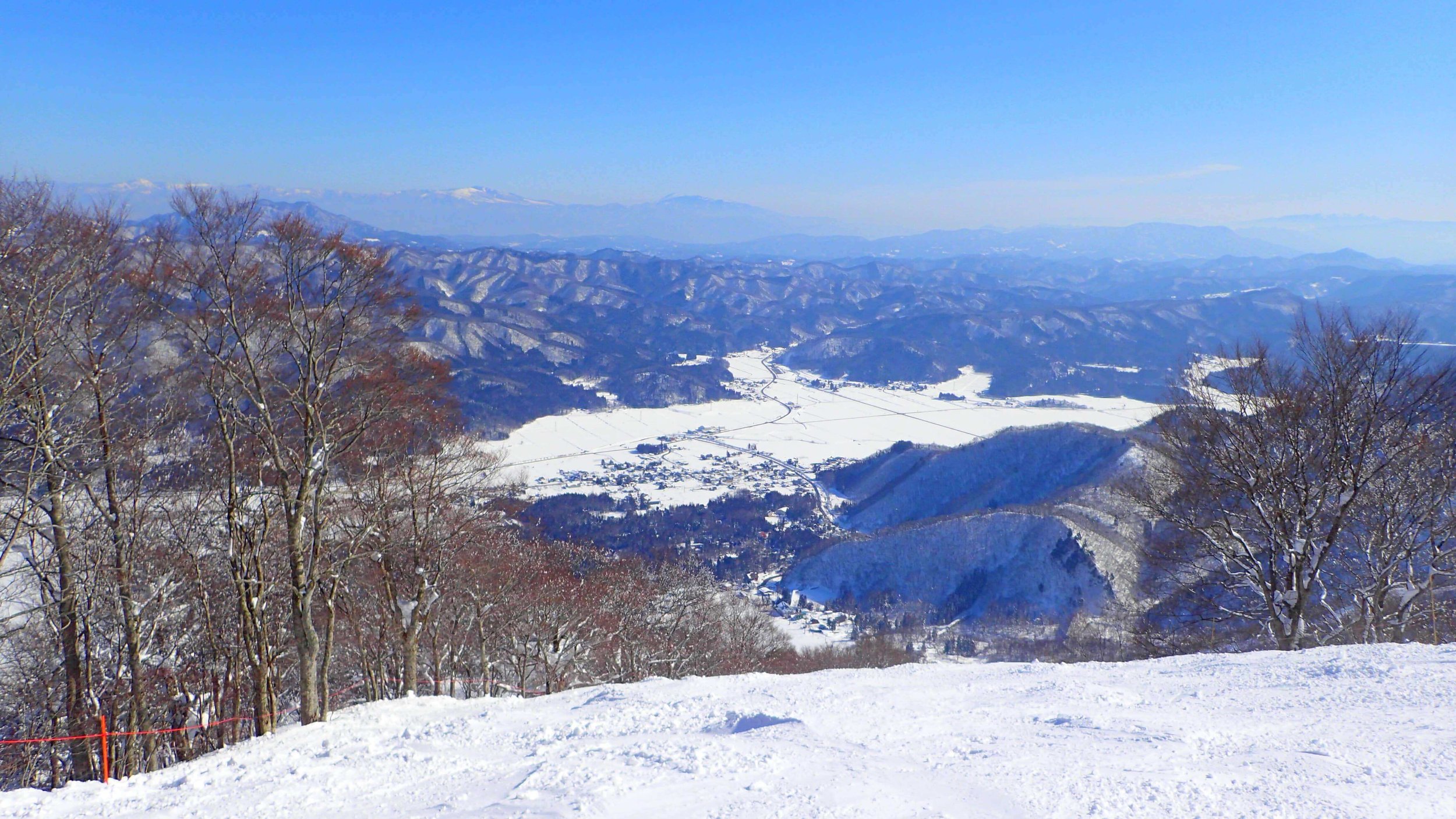
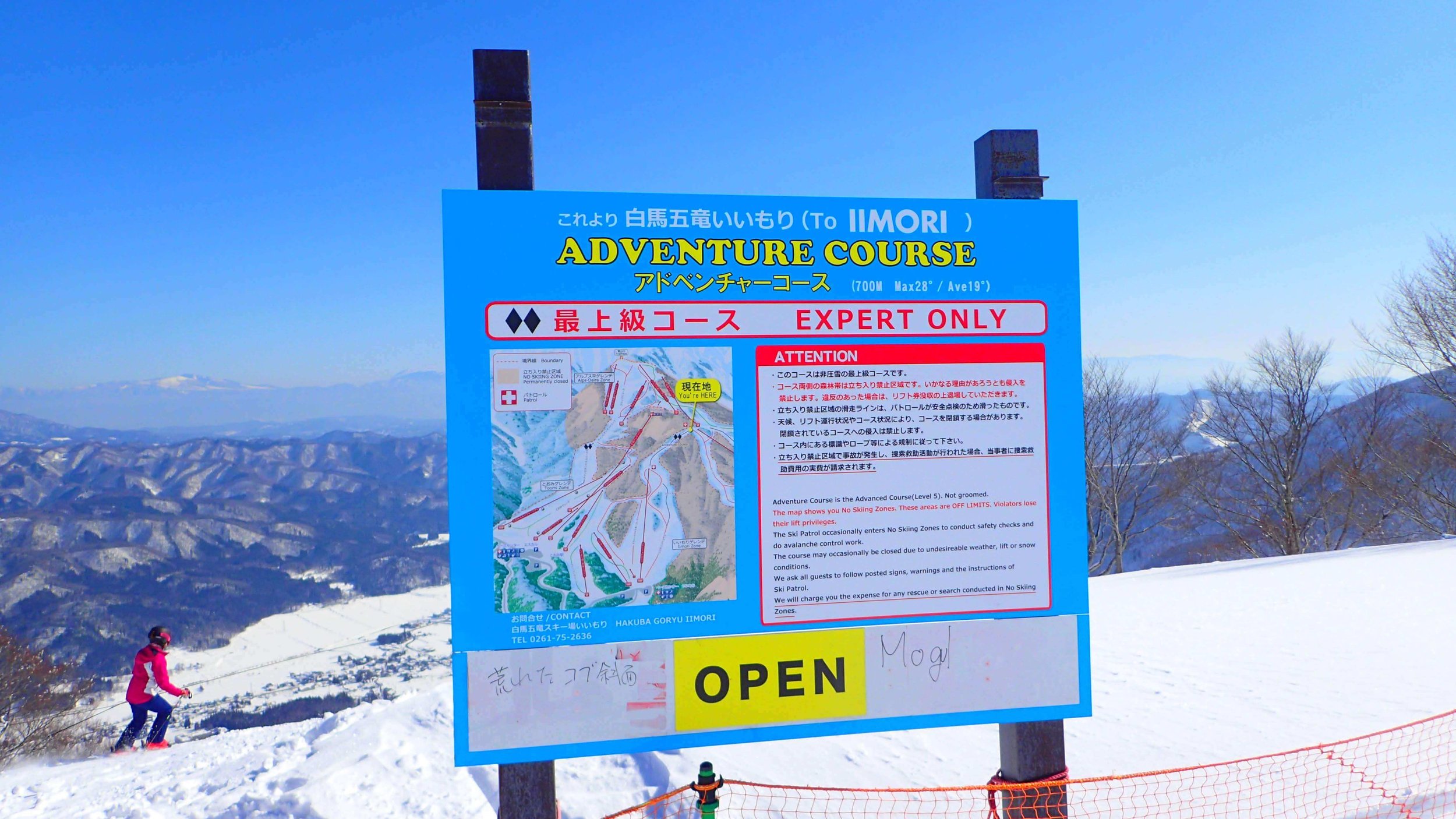
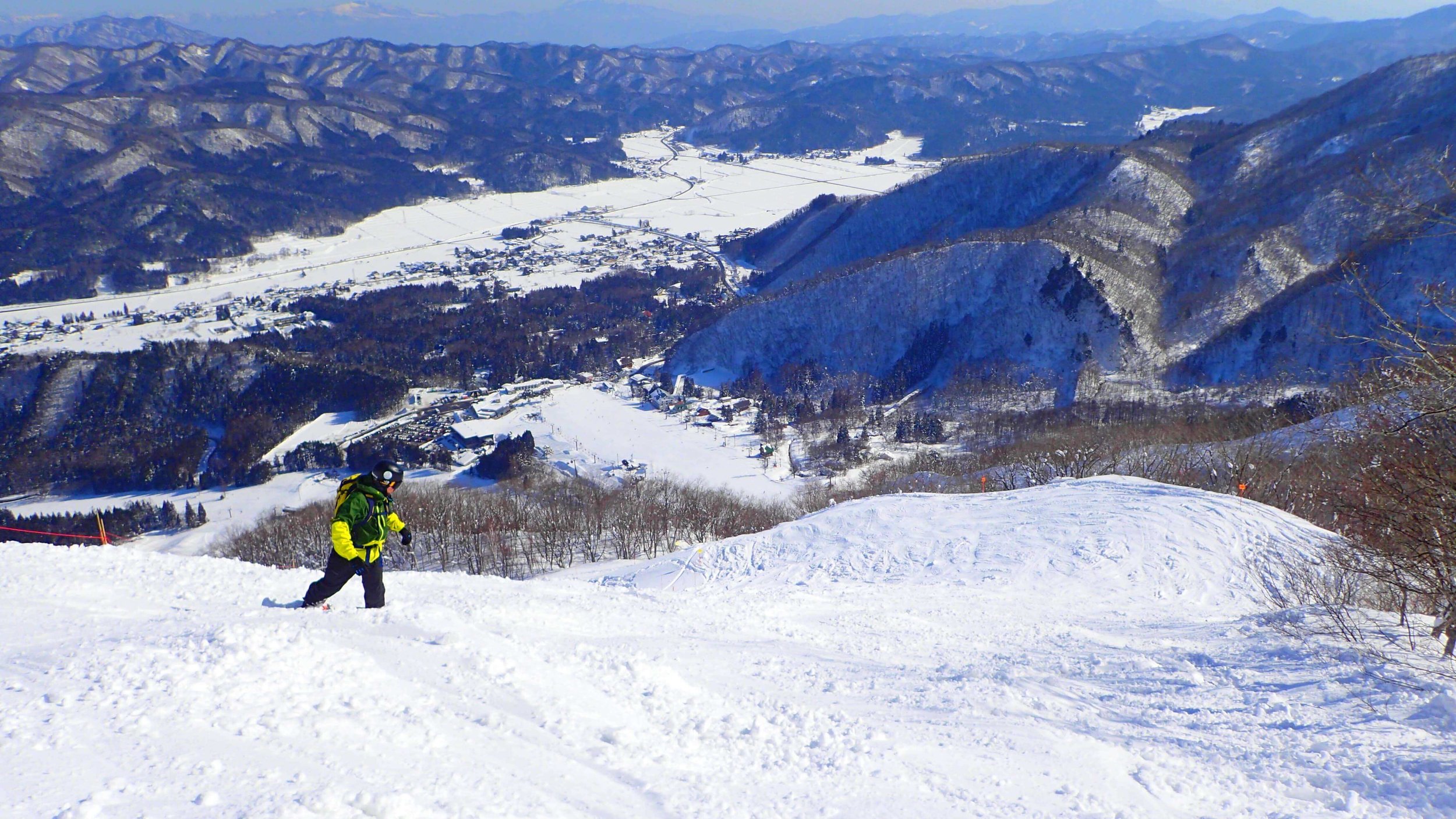
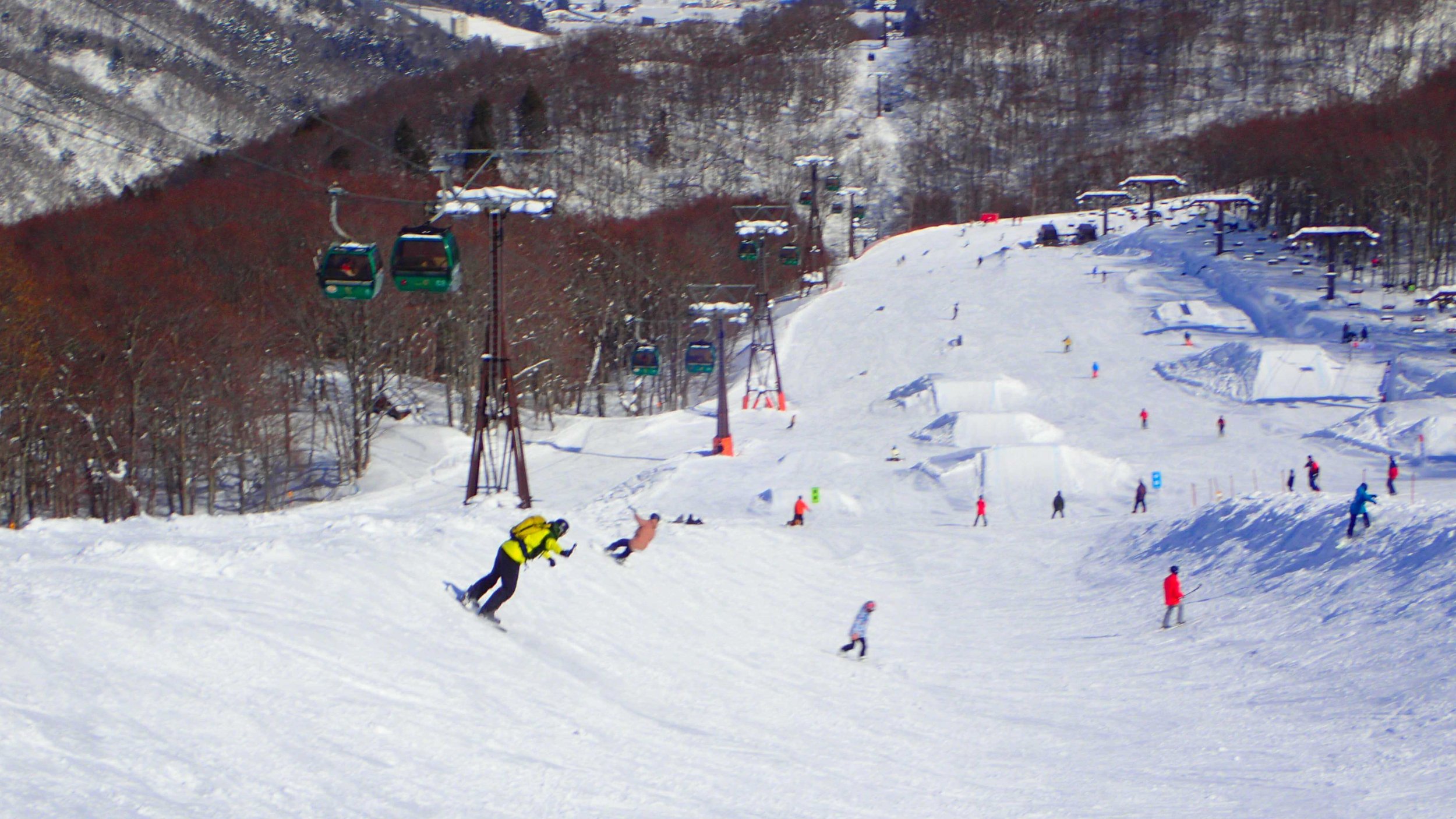
HAKUBA 47 SKI RESORT PROS
Hakuba 47 has some of the steeper runs in the Hakuba valley which is great for expert skiers and snowboarders
The link between Hakuba 47 and Hakuba Goryu opens up more terrain and this makes spending a couple of days at Hakuba 47 more interesting
The terrain park at Hakuba 47 was the best maintained out of the resorts I visited in Hakuba
Hakuba 47 is very accessible with regular shuttle buses running throughout the day.
HAKUBA 47 SKI RESORT CONS
With only 8 trails Hakuba 47 has a limited skiing area.
The terrain park can become crowded with long cues at the chairlift possible.
LIFT PASSES
Hakuba 47 is included on the same lift pass as Hakuba Goryu allowing you to ski both ski resorts on the same day. If you are buying your lift passes on the day, these are cheaper than purchasing the Hakuba Valley Pass. The Hakuba Valley pass however will provide you with greater flexibility should you wish to explore other ski resorts in the area. During my Hakuba stay I used the Hakuba Valley pass as this also includes all the available inter-resort shuttle buses.
HAKUBA 47 SNOW RECORD
Hakuba 47 is more central with the Hakuba Valley so receives less snow than the resorts of Cortina and Tsugaike further north. Hakuba 47 still gets its fair share of snowfall with ample left over for tree skiing. The ski resorts in the Hakuba Valley receive on average 11m-12m of snowfall per winter!
TRAVEL TO HAKUBA 47 SKI RESORT
Free shuttle buses run to Hakuba 47 from both the train station and Happo bus terminal. The buses to Hakuba 47 are really frequent and it is possible to visit Hakuba 47 and other Hakuba resorts on the same day. The buses to Hakuba are free if you buy a Hakuba Valley lift pass and this can represent good value if skiing at more than one resort.
ACCOMMODATION AT HAKUBA 47
There is no accommodation available at the base area of Hakuba 47 although you could stay near the base of Goryu ski resort. Alternatively, there are lots of accommodation options in Hakuba village and really depends on your preferences and budget. I stayed in a guesthouse which was fairly basic but provided a space to cook, wash and sleep.
HAKUBA 47 VIDEOS
FINAL THOUGHTS ON HAKUBA 47
Hakuba 47 is a must-visit for me for any trip to the Hakuba Valley. The terrain park is one of the best in Hakuba and the ability to ski at both 47 and Goryu is a real bonus. Absolute beginners should avoid Hakuba 47 as there will be little of interest here.

Kashimayari Ski Resort Guide
Kashimayari ski resort is a small ski resort included on the Hakuba Valley Pass. Outside of the main cluster of Hakuba Valley ski resorts Kashimayari does not draw the crowds it once did and there would be little reason to base your trip around Kashimayari ski resort. Kashimayari however is worth the visit as an add-on to your Hakuba Valley ski trip and could provide enough interest for a day or two.
KASHIMAYARI FIRST IMPRESSIONS
Kashimayari Ski Resort is a long way from the central hub of Happo and Hakuba Base Camp but this may actually be a good thing. With Kashimayari being further away from the hustle and bustle it draws fewer crowds. The transport links to Kashimayari are also less frequent meaning a trip here can be a little more awkward than some of the more prominent Hakuba Valley ski resorts.
I arrived at Kashimayari by train from Sanosaka and the journey was beautiful with some fantastic views of the Japanese Alps. The facilities at Kashimayari are in need of a facelift with the buildings and lifts needing investment.
HAKUBA KASHIMAYARI SKI AREA
The Kashimayari ski resort is small, even by Japanese standards. The area itself has gotten smaller with terrain closing due to potential financial difficulties. The ski areas highest point is at 1335m and has a 500m vertical drop. The resort of Kashimayari is now best suited to beginners and intermediates with the more advanced terrain inaccessible by chairlift.
One real positive of the ski area at Kashimayari is the view across to Lake Aokiko which can be seen from the pistes. Who doesn’t love skiing in an area with views of a lake surrounded by mountains!

Kashimayari Piste Map
There isn’t much to write home about in terms of Kashimayari terrain which is why no runs here made my list of the BEST FIVE RUNS IN HAKUBA.
BEGINNERS TERRAIN AT HAKUBA KASHIMAYARI
Beginner skiers and snowboarders at Kashimayari will have access to some wide mellow slopes that are good for learning on. There isn’t much terrain at Kashimayari so you may find that you are continuing to repeat the same slopes as a beginner.
INTERMEDIATE TERRAIN AT HAKUBA KASHIMAYARI
Kashimayari ski resort is an intermediates mountain, the terrain from Lift no 1 has a gradient of beterrn 25 and 28 degrees. There is nothing overly scary at Kashimayari which means it is a great ski resort for intermediates to gain confidence and explore.
ADVANCED TERRAIN AT HAKUBA KASHIMAYARI
Sadly anything of note for advanced skiers and snowboarders at Kashimayari has been closed. I am unsure as to why the top lift stopped running but it is certainly of detriment to the ski area.
LIFTS AT HAKUBA KASHIMAYARI
The four, formerly five, chairlifts at Kashimayari ski resort are in need of updating. There are a couple of 4 person chairs which handle the small crowds that head to Kashimayari however they are dreadfully slow. I guess it is the price paid for escaping the crowds.
HAKUBA KASHIMAYARI PROS
Kashimayari ski resort is quiet, go here to escape the crowds
The view from Kashimayari across to Lake Aokiko is fantastic.
Free shuttle bus access to Kashimayari is possible with the Hakuba Valley Pass.
HAKUBA KASHIMAYARI CONS
Kashimayari does not offer much for the more advanced skier or snowboarder.
The ski resort of Kashimayari is closing terrain not opening more… this does not seem like a positive step for the ski resort.
Kashimayari ski area has infrequent transport links meaning that you need to be careful not to miss your bus.
HOW TO GET TO KASHIMAYARI SKI RESORT
Kashimayari Ski Resort can be reached via various transportation options. For international visitors, flying into Tokyo or Nagoya and then taking a train to nearby Hakuba or Omachi is a common route. From there, a short bus ride or taxi will bring you to the resort. Alternatively, there are direct bus services from major cities to Kashimayari during the winter season.
Kashimayari is south of the main hub of the Hakuba Valley in Happo but is accessible via local shuttle buses. The local buses run from the Happo Bus terminal and are included if you purchase the Hakuba Valley Pass. Services to Kashimayari are less regular than those to other Hakuba Valley ski resorts. With this in mind ensure you have checked the latest timetables.
If you have access to a car, Kashimayari has a car park where it is possible to park within a short distance of the slopes. Car parking at Kashimayari is at no charge.
I accessed Kashimayari by using the local train service from the nearby ski resort Sanosaka. It is possible to ski both of these resorts on the same day using the Hakuba Valley Pass.
KASHIMAYARI SKI RESORT SNOW RECORD
Kashimayari's location in the Northern Japan Alps ensures consistent snowfall throughout the winter season. From December to March, the resort is covered in a thick layer of pristine powder, creating ideal conditions for skiing and snowboarding.
Kashimayari ski resort has a historical snow record of 9.5m which is less than the resorts of Cortina and Tsugaike but way higher than most European ski resorts. Due to the lower elevations at Kashimayari ski resort, the lower slopes can often be found in worse condition then the upper mountain.
HAKUBA KASHIMAYARI LIFT PASSES
To make the most of your time at Kashimayari Ski Resort, be sure to check the lift pass options available. Whether you prefer a single-day pass or a multi-day package, the resort offers various choices to suit your needs. Early-bird discounts and seasonal promotions are often available, so keep an eye out for special deals.
HAKUBA VALLEY PASS
If you are planning to visit more Hakuba Valley ski resorts than Hakuba Sanosaka it may be worth picking up a Hakuba Valley pass. The Hakuba Valley Pass not only offers access to the slopes but the interconnecting resort shuttles. This means your transport and skiing are included on the same pass. Find out more by watching the video below.
The latest Hakuba Valley lift pass prices are available here.
EPIC PASS
If you are an Epic Pass season pass holder than you will get access to the resorts of the Hakuba Valley included with your pass. The Epic Pass allows for 5 consecutive days of skiing in the Hakuba Valley, additional tickets can be purchased at a discount.
PAY AS YOU PLAY
If you want more freedom to choose your day-to-day activities and resorts you won't lose much money by paying on the day. Paying for your lift passes on the day offers a number of benefits. You can get full-day, morning or afternoon passes which offers flexibility.
At the time of writing a 1 Day lift ticket to Kashimayari cost 4000 YEN.
MORE HAKUBA VIDEOS
ACCOMMODATION AT KASHIMAYARI
Accommodation at Kashimayari Ski Resort ranges from cozy lodges to luxurious mountain resorts. Staying on-site provides the convenience of easy access to the slopes and other resort facilities. However, nearby towns like Hakuba and Omachi offer additional lodging options for those seeking a more extensive range of amenities and dining choices.
FINAL THOUGHTS ON KASHIMAYARI SKI RESORT
In conclusion, Kashimayari Ski Resort is a lesser-known Hakuba Valley ski resort that can offer sanctuary away from the crowds in the beautiful Japanese Alps. Kashimayari offers well-groomed slopes with enough variety to ensure an enjoyable experience for skiers and snowboarders of all levels. Although I would not choose to base myself at Kashimayari I would definitely look to explore it again for the odd day on a trip to Hakuba.
KASHMAYARI RELATED POSTS


Happo One Ski Resort Guide
Hakuba Happo One is Hakuba’s best-known resort. Centre stage for the 1998 Nagano Winter Olympics, Happo helped bring Japanese ski resorts to the mainstream. Happo One is in the centre of a purpose-built village and has everything you would expect to find at a premiere ski resort.
If you are visiting Hakuba the purpose built-village surrounding the flagship resort Happo One has a plethora of accommodations, restaurants, ski shops and ski schools. This means for a lot of visitors, Happo will be their closest resort and where they base themselves for the duration of their stay. With multiple base areas, you can actually start your day at Happo from a number of entry points. Nakiyama is home to the local ski school and close to a number of local hire shops. Sakka is the most mellow area and will be where you find the most suitable beginner terrain. Whereas Shirakaba is the base of the main Gondola which will quickly move skiers to mid-mountain. Interestingly at Happo, you have to take a combination of lifts to get to the top meaning one top-to-bottom lap often consists of three lift rides to get back to the peak.
HAPPO ONE FIRST IMPRESSION
Arriving at Happo you soon see why it is the most popular ski resort in the Hakuba Valley. As you get closer to the village and ski lifts you are surrounded by everything you need for your snowboard trip. Each of the base areas is close to rental shops, accommodations and restaurants making Happo One the stress free Hakuba ski destination.
HAPPO ONE SKI AREA
Happo One ski resort is a relatively large resort by Japanese standards and this is one of the reasons people love it. A limited number of pistes doesn’t really tell the story and the resort is really much larger than its stats suggest. There are plenty of steep runs within its 1071m vertical drop, which draw advanced riders to the resort. But don’t be put off if steeps are not your thing, Happo is pretty diverse with four base areas. Nakiyama, Shirakaba, Kokusai and Sakka all offer something a little different and this is what makes Happo so versatile and popular with families.
Happo’s mellow slopes at Sakka will suit those working towards their first turns. Over the rest of the mountain, the wide red slopes are perfect for those looking to blast around. In addition to the groomers, you will find lots of mogul runs and of course the Olympic Downhill track! If backcountry is on your mind then head to the Grat Quad where you will find easy access backcountry within a short hike.
Happo represents the best one resort fits all for a Hakuba trip so if you don’t want to be busing to other resorts basing yourself at Happo is a good option. Additionally, if you don’t want the day to stop head to Nakiyama slopes for some night skiing.
BEGINNER TERRAIN AT HAPPO ONE
There is ample terrain to get beginners moving and exploring the mountain at Happo. Sakka base area is where you will find the majority of beginner runs, although it is worth noting that the green at Nakiyama slope is open for night skiing!
INTERMEDIATE TERRAIN AT HAPPO ONE
Intermediate skiers and snowboarders will love Happo One. There are a number of interesting pistes in addition to the little areas of sidecountry to play in. I enjoyed the long run from the top of the resort down to Nakiyama slope.
ADVANCED TERRAIN HAPPO ONE
Happo hosted the slalom at the Nagano Olympics so the Olympic course is a must for advanced skiers and snowboarders. The Olympic course gives you the opportunity to blast downhill trying to leave your mates in your wake. Additionally, Happo has a number of steep black-graded groomers that are excellent, especially first thing in the morning. For those with the inclination for bumps, you will find plenty of good mogul runs especially if there has been a break in snowfall.
OFF-PISTE AT HAPPO ONE
Sadly, as is common amongst Japanese ski areas, there are a number of closed areas at Happo. This really limits the amount of tree-riding or off-piste you can do here without risking your lift pass in the process. Happo One ski resort has opened an in-bounds tree skiing area but its barely worth it as it is short and gets tracked out rather quickly.
Where Happo excels is the backcountry runs that are accessible from the top of Grat chairlift. Happos highest lift point helps provide access to a series of steep faces that will keep the most avid backcountry snowboarder happy. The local ski schools offer guiding services here which are recommended if you are not familiar with the area.
HAPPO ONE SNOW RECORD
Similarly to the rest of the Hakuba Valley, Happo One gets more than its fair share of snow. Happo One’s location helps draw in 11m of average seasonal snowfall. The snow quality, especially at the top of the resort, is excellent. Happo has a large vertical drop so its lower slopes can suffer towards the end of the season.
LIFTS AT HAPPO ONE
The lift infrastructure at Happo One is a bit strange. 23 lifts in total but it is likely that you will need to take a combination of these lifts to get to the area you wish to ski. There is a gondola and some faster lifts since upgrades but there are also sluggish lifts! Being a popular resort you can find lift queues at Happy especially during holiday or weekend periods.
HAPPO ONE VIDEOS
HAKUBA HAPPO ONE GALLERY

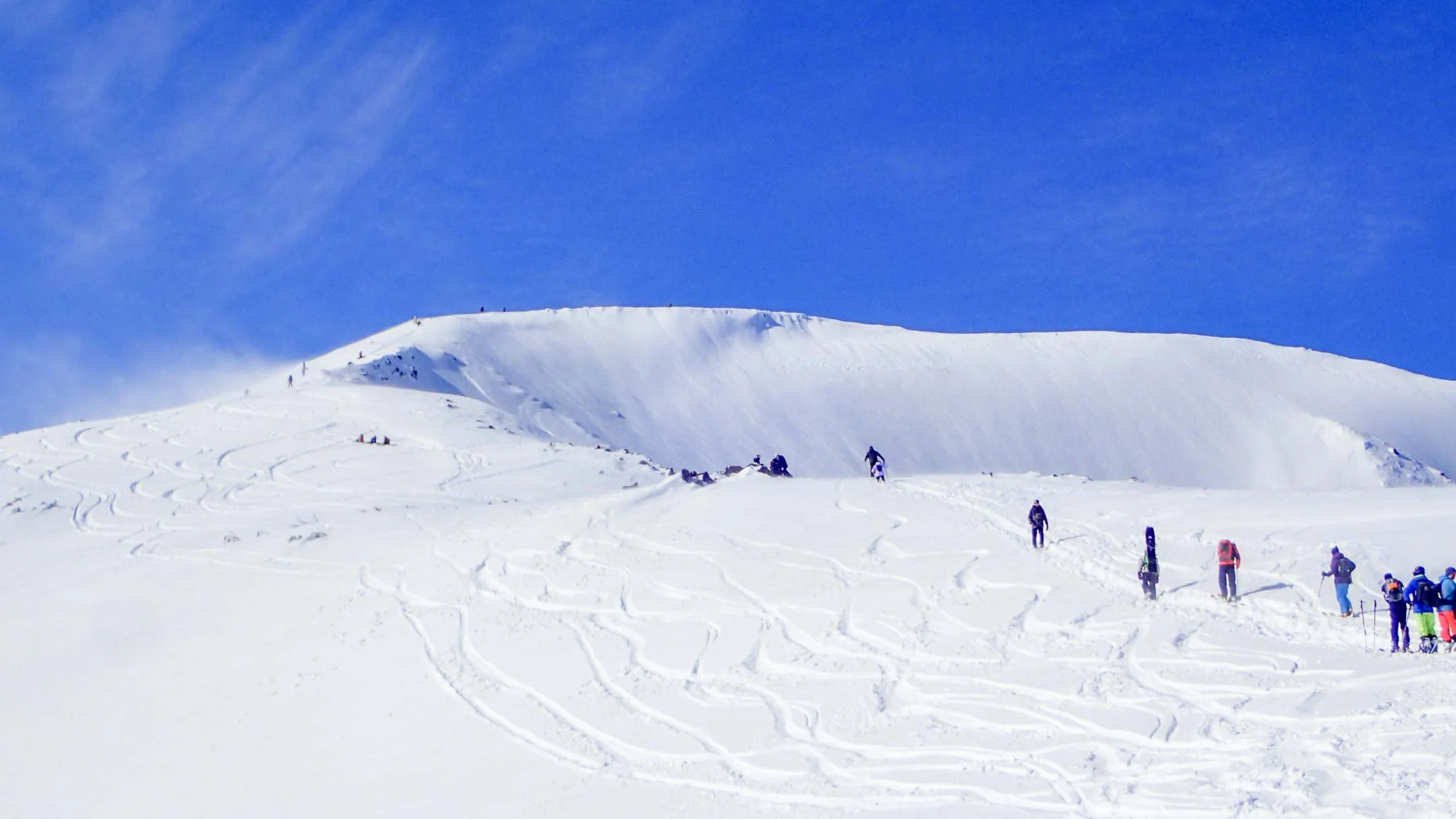




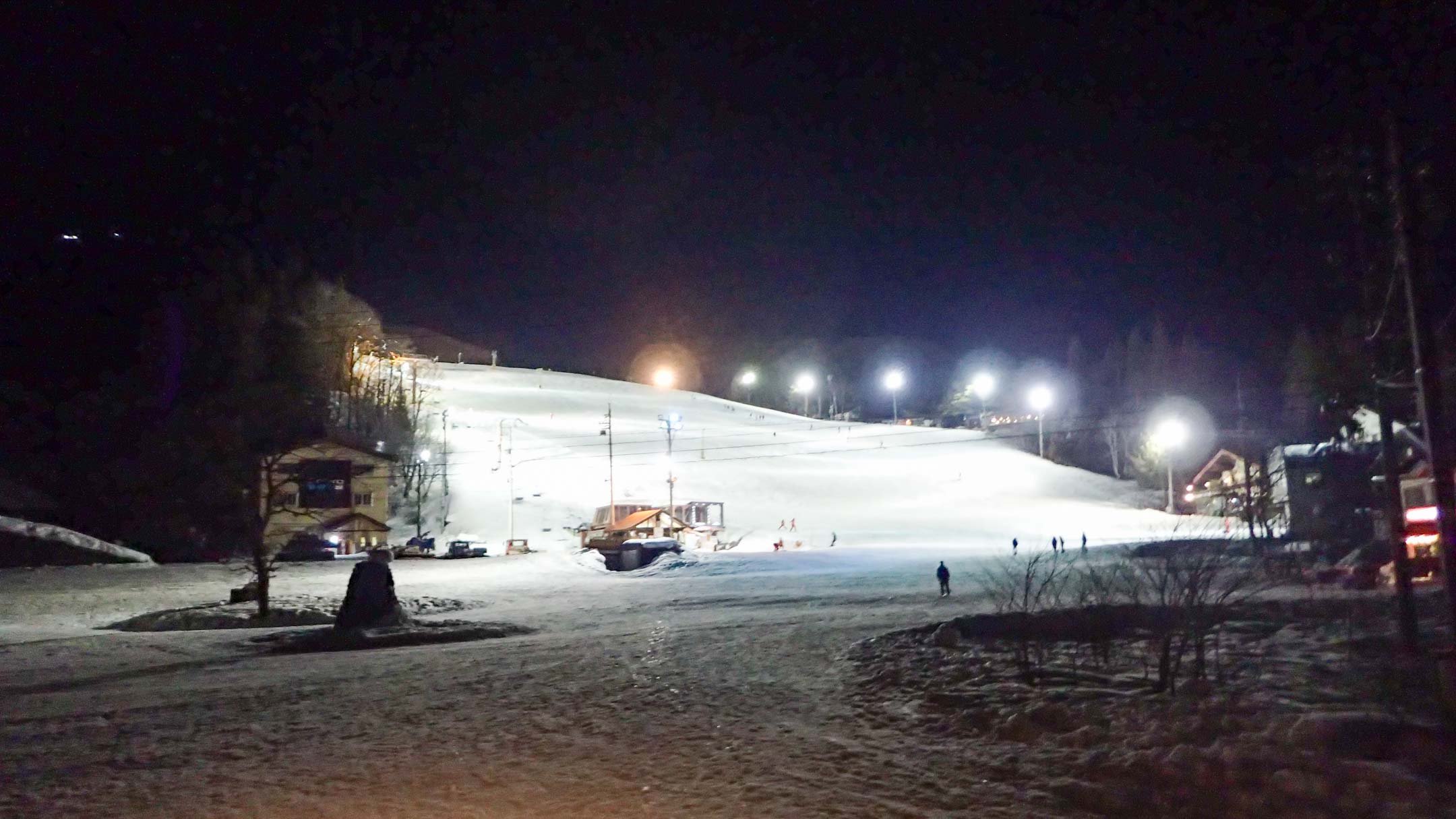
HAPPO ONE PROS
Happo One has backcountry within a short hike
Easy access from the village and main accommodation hubs makes Happo One incredibly accessible
Free shuttles from Happo One to take you to other Hakuba resorts
Happo One has steeper terrain than most Hakuba resorts
Happo One offers fantastic views across the Hakuba valley
Happo One is a great resort for families with a range of terrain so great family resort
HAPPO ONE CONS
Happo One is prone to lift cues caused by a combination of Happo’s popularity and relatively slow lift cues.
Due to the larger crowds at Happo One, if you are looking for first tracks look to another Hakuba ski resort.
Happo closes most of the terrain that may appeal to the more adventurous skiers and snowboarders.
TRAVEL TO HAPPO
Travel to Happo is easy from any resort base in Hakuba via the free shuttles that regularly run between the resorts. The main access to Happo One is via Adam gondola which is west of Hakuba town but there are a number of bases. Due to it’s popularity the shuttles to and from Happo One tend to be full so be prepared to cue or travel outside of peak hours.
ACCOMMODATION AT HAPPO
Accommodation near Happo One ski resort is plentiful and really depends on your preferences and budget. I stayed in a fairly basic guesthouse but it was comfortable and provided a space to cook, wash and sleep. Hakuba caters for all budgets and comfort levels so check out the whole range of Hakuba accommodation by using the search below.
FINAL THOUGHTS ON HAPPO ONE
As previously stated Happo One is probably the best all-rounder in terms of Hakuba ski resorts. Happo One caters perfectly for groups or families with differing abilities. The international crowd will appreciate the amenities and shops that lie close to the Happo’s base areas.
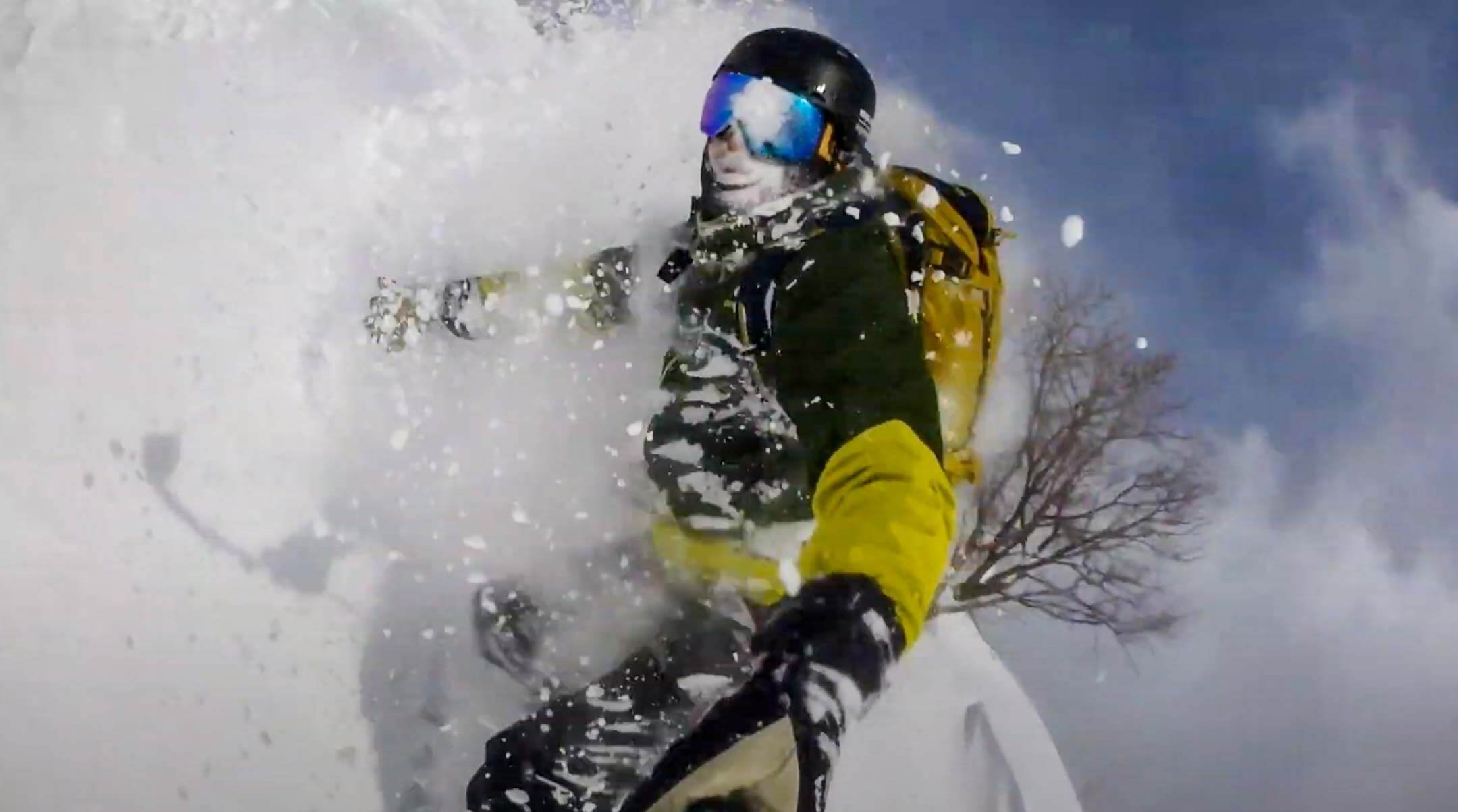


High Rigg from St John's Church | Lake District Walks
What High Rigg lacks in height it certainly makes up for in views. This diminutive fell in the English Lake District offers some incredible views towards Blencathra, Helvellyn, and Thirlmere. This walk itself is perfect for those beginning their fell walking adventures or those who like a slow amble to warm their legs before the ascent.

High Rigg Summit View To Thirlmere
WATCH THE VIDEO
Despite its name High Rigg, this small Wainwright is only 357m in height. This walk to High Rigg leads you around the base of the fell before ascending Wren Crag onto a undulating ridge. Once on the ridge you are able to benefit from extensive panoramas in every direction. This High Rigg walks ensures that you will be able to admire; Blencathra, Helvellyn, Skiddaw and Thirlmere.
WALK OVERVIEW
Start - St John’s In The Vale, Church
The church of St John’s in the Vale ( Grid Reference - NY 307225) is the starting point for this walk. Be aware that the church asks you to respect its parking and that you do not use the spaces associated with the church itself. There is parking available on the verge just past the youth centre. The church of St John’s in the Vale is a Grade II listed building and is well worth taking a look around either before or after your walk.

View of Blencathra from outside the Church
Distance - 7.72km / 4.8 miles
Duration - 3 hrs.
Difficulty - Easy
Total Ascent - 363m
Map - You can find my full route here on Ordnance Surveys website

High Rigg Circular Walking Route
STARTING YOUR HIGH RIGG WALK
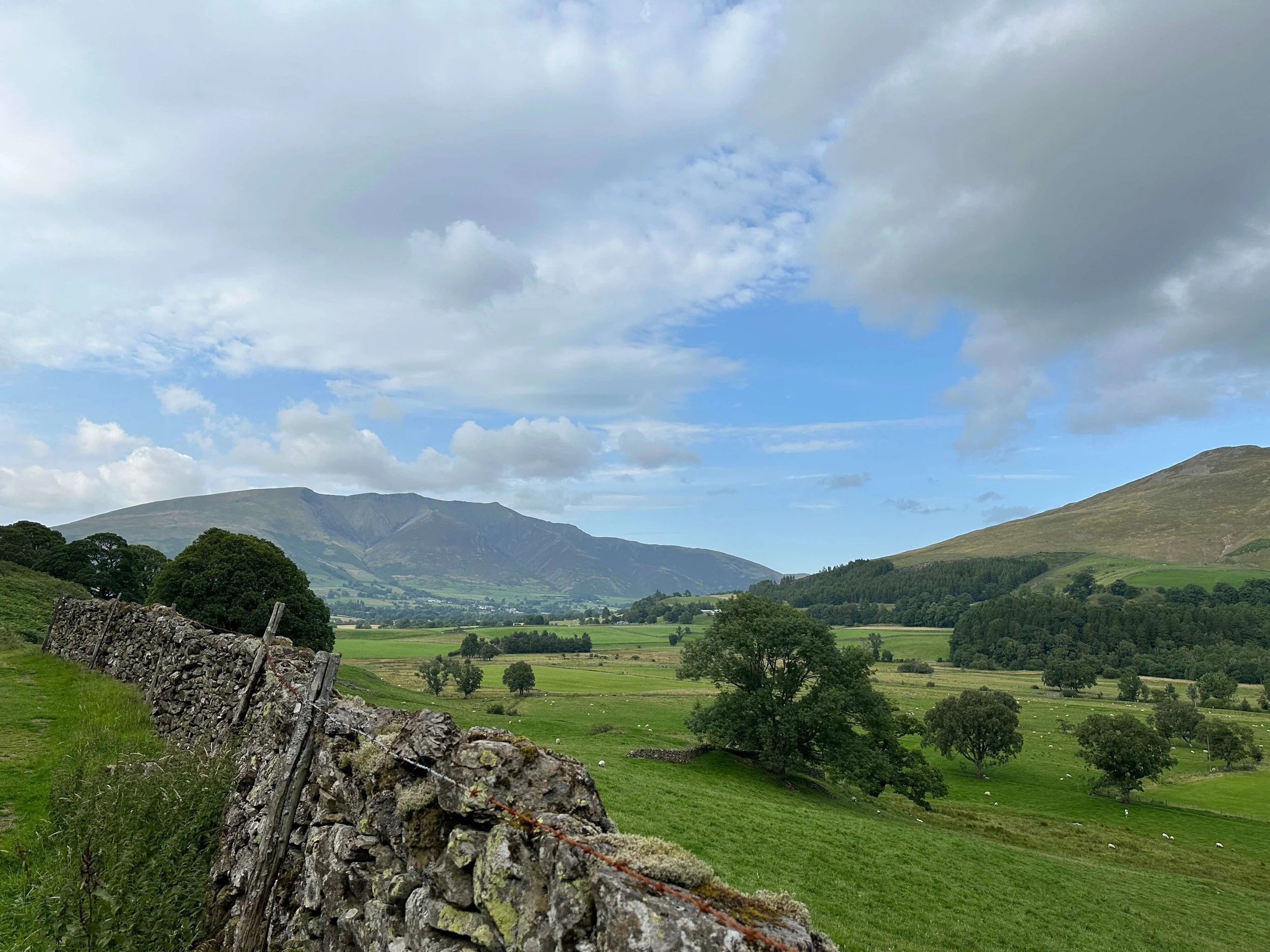
Views back towards Blencathra
Heading down the hill and keeping the church on your right-hand side, you will see a gate which marks the real start of this walk. Heading through the gate will take you onto a path that leads around the base of High Rigg. On this path, there will be ample opportunity to take in views towards Blencathra, Clough Head and Helvellyn.
FACILITIES
There are no facilities available at the start of this walk however there is a fantastic Tea Room at Low Bridge End Farm available before the ascent. The Tea Room is open between 10:30 and 16:30.
HIGH RIGG ROUTE
The initial section of this walk stays low and leads you around the base of High Rigg towards Wren Crag. This gentle path meanders alongside St John’s Beck which runs between High Rigg and Great Dodd. The valley of St John’s in the vale is stunning and acts as a frame for views back towards Blencathra.
Following this path during the day can be rewarded with a stop at Low Bridge End Farm, who serve tea and cakes.

St John’s in the Vale

Looking back towards Helvellyn and the Dodds
After Low Bridge End Farm you continue around to the base of Wren Crag. It is from here that the ascent really starts with the path quickly heading up to 311m. The path to Wren Crag, heads up through tightly packed trees, however, the path remains well-defined.
You are rewarded for the quick ascent with some excellent viewpoints including the one below looking towards Thirmere.

View of Thirlmere from Wren Crag.

Path towards Branstree with Harter Fell in the background.
Once at Wren Crag, the majority of the hard work is done with you already on the ridgeline to approach High Rigg. This section of the walk is where you get the rewards for your earlier endeavour with views in every direction.

Walking the ridge approaching High Rigg
Keeping Blencathra in front of you, follow the rolling path as it weaves along the ridge towards High Rigg summit. This was how Wainwright himself intended you to experience this walk commenting ‘The journey should be made from south to north so that the fine view of Blencathra is in front.’

Walking the ridge with Blencathra in front.
Eventually, you will reach a stile which needs to be crossed before the final push towards the summit. This area was full of bracken but a clear path cuts its way through the middle.

Crossing the Stile - High Rigg
The summit at High Rigg is marked with a cairn that sits upon a rocky outcrop. From here the views are the best throughout the whole walk. Regardless of the direction of gaze there is something of interest with; Bassenthwaite, Thirlmere, Skiddaw, Blencathra, Helvellyn, and Clough Head all in view.

The final approach to High Rigg
HIGH RIGG GALLERY


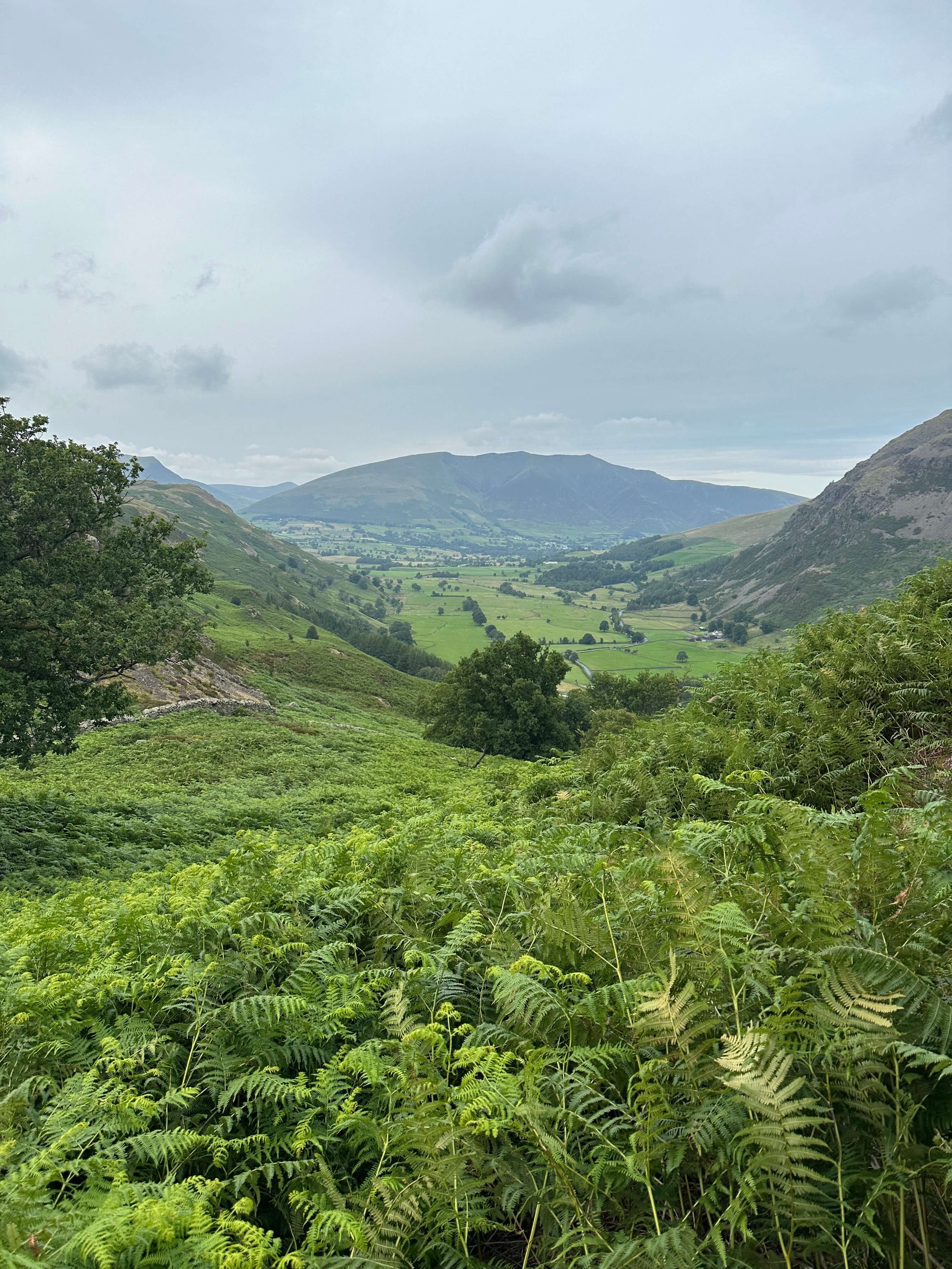


TOP TIPS FOR WALKING HIGH RIGG
Avoid walking High Rigg on a Sunday if you are intending to park near the church of St John.
There are shorter walks directly from the church if you are looking to save time on your High Rigg walk.
Thanks for reading this post. If this post provided value for you then you can support me in making future content by using the link below to Buymeacoffee.
Alternatively, you can use the tip jar: https://monzo.me/simonburgess8
MORE FROM THE CENTRAL FELLS
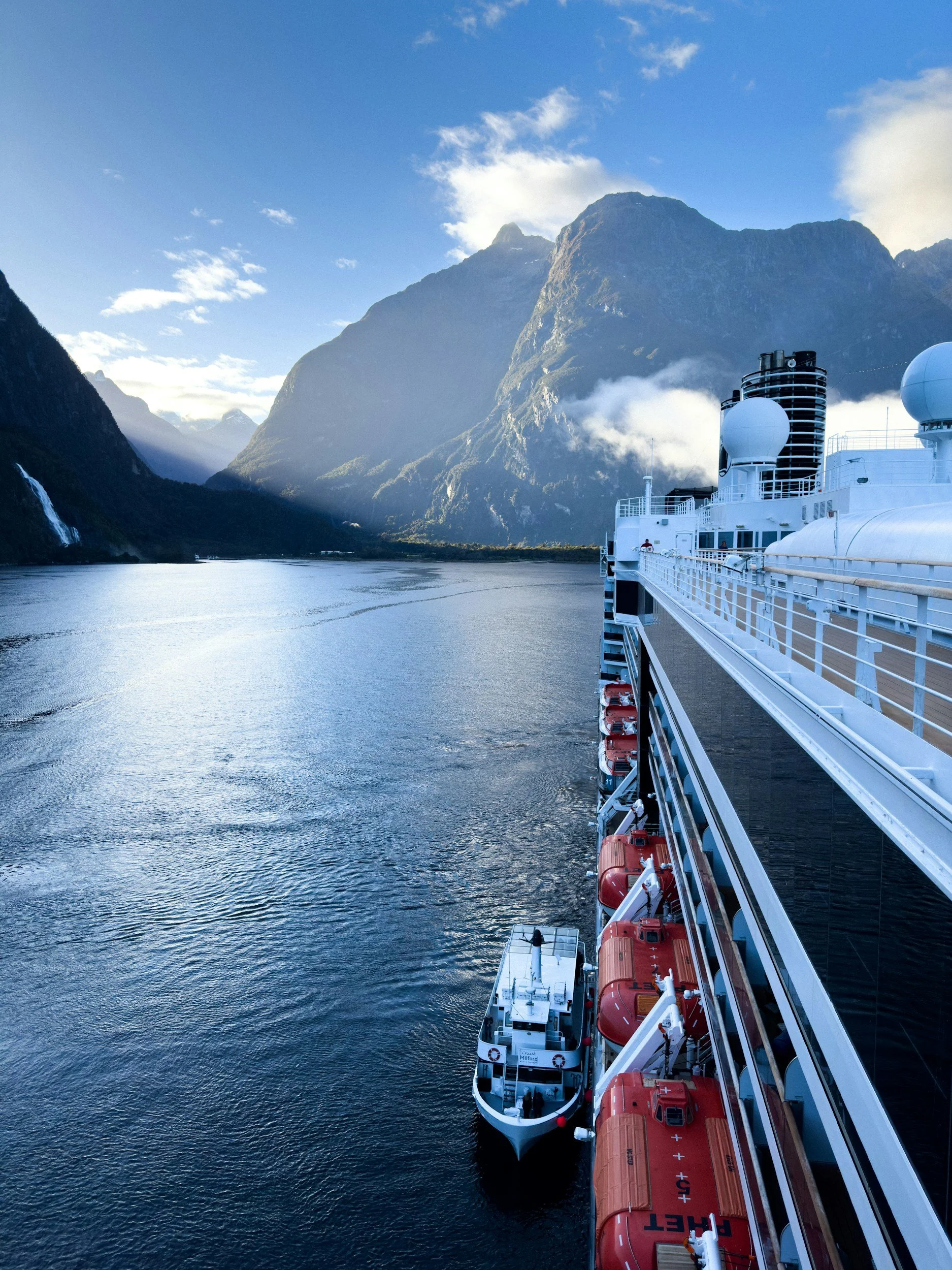

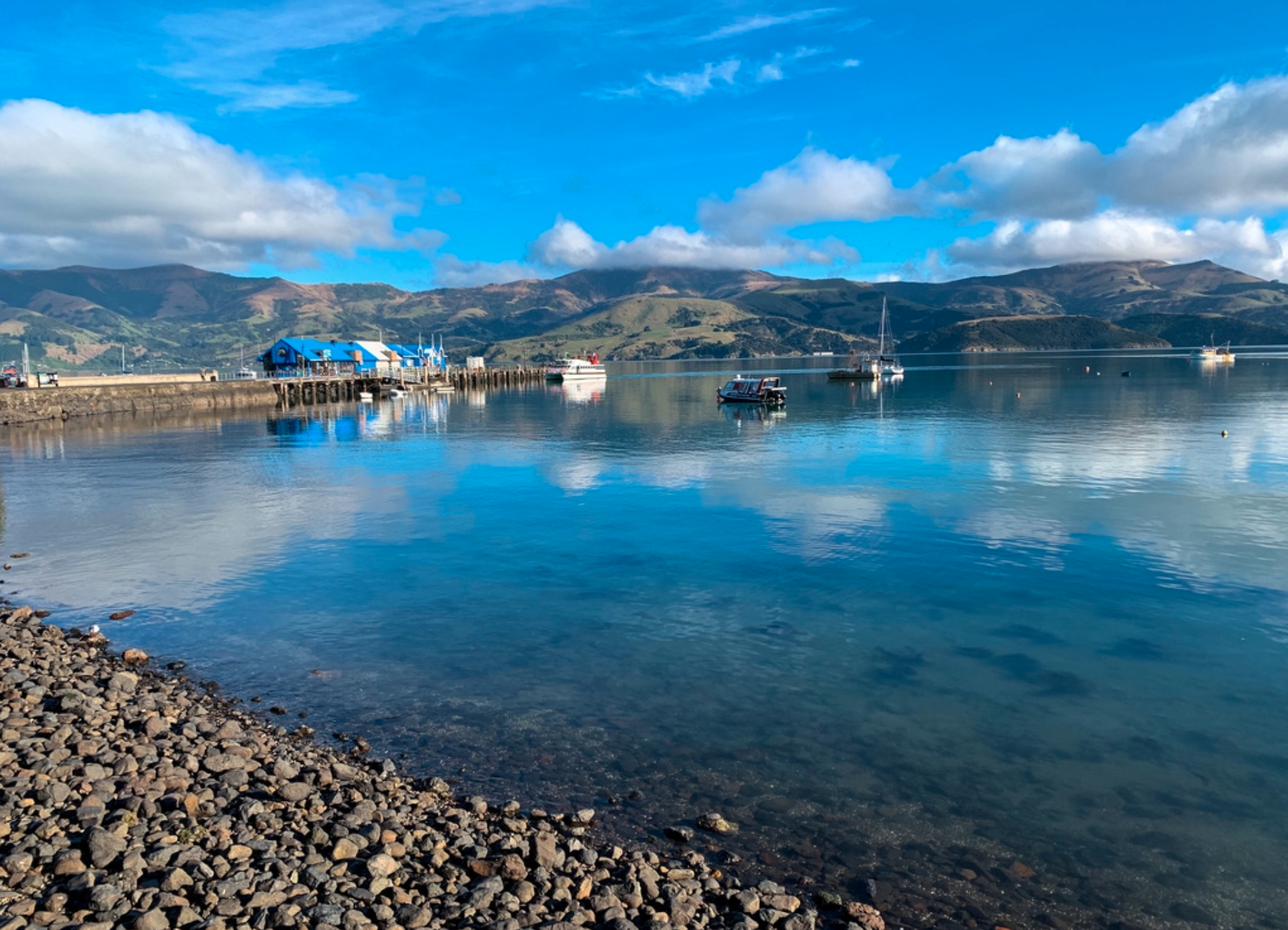
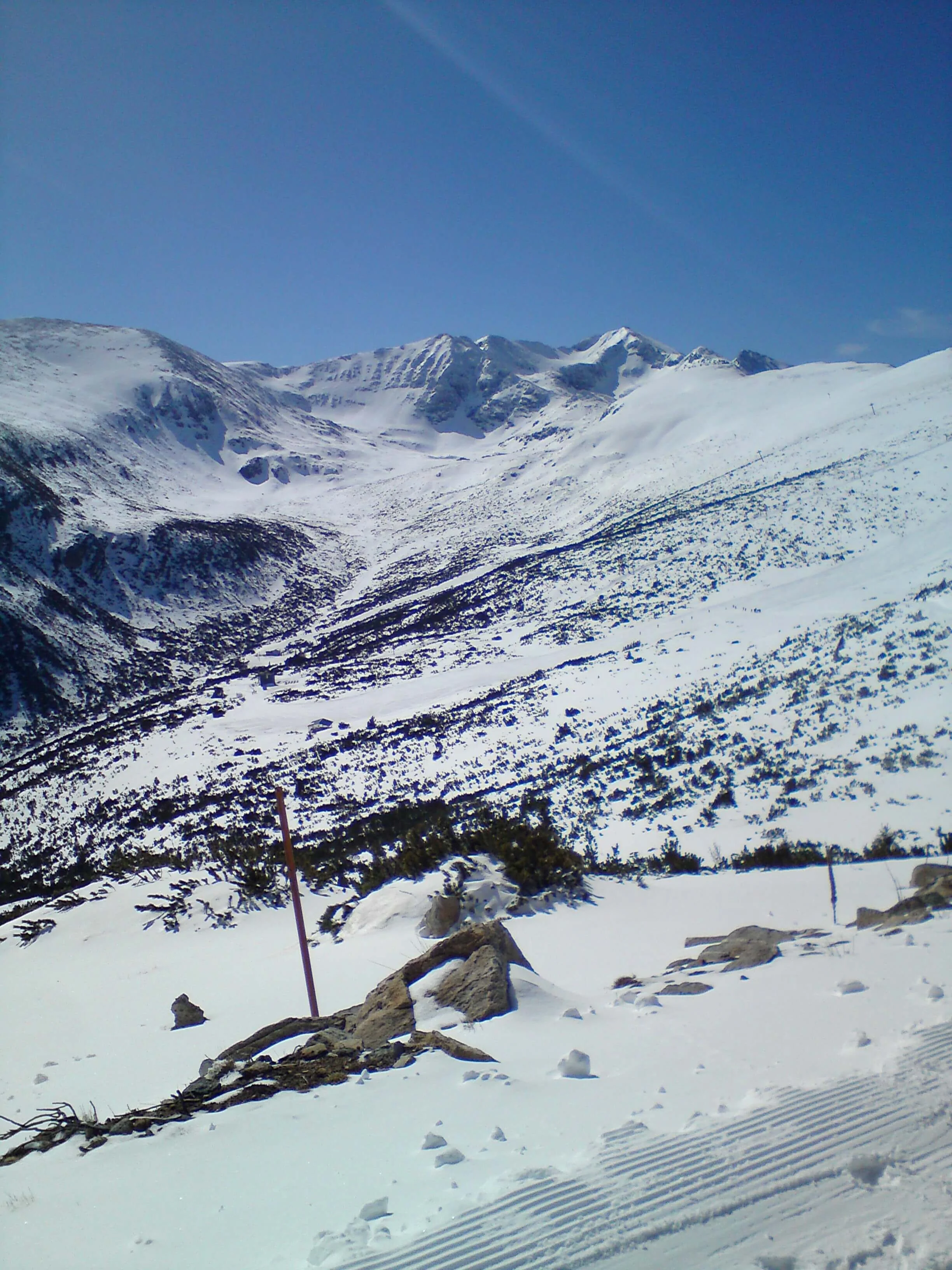



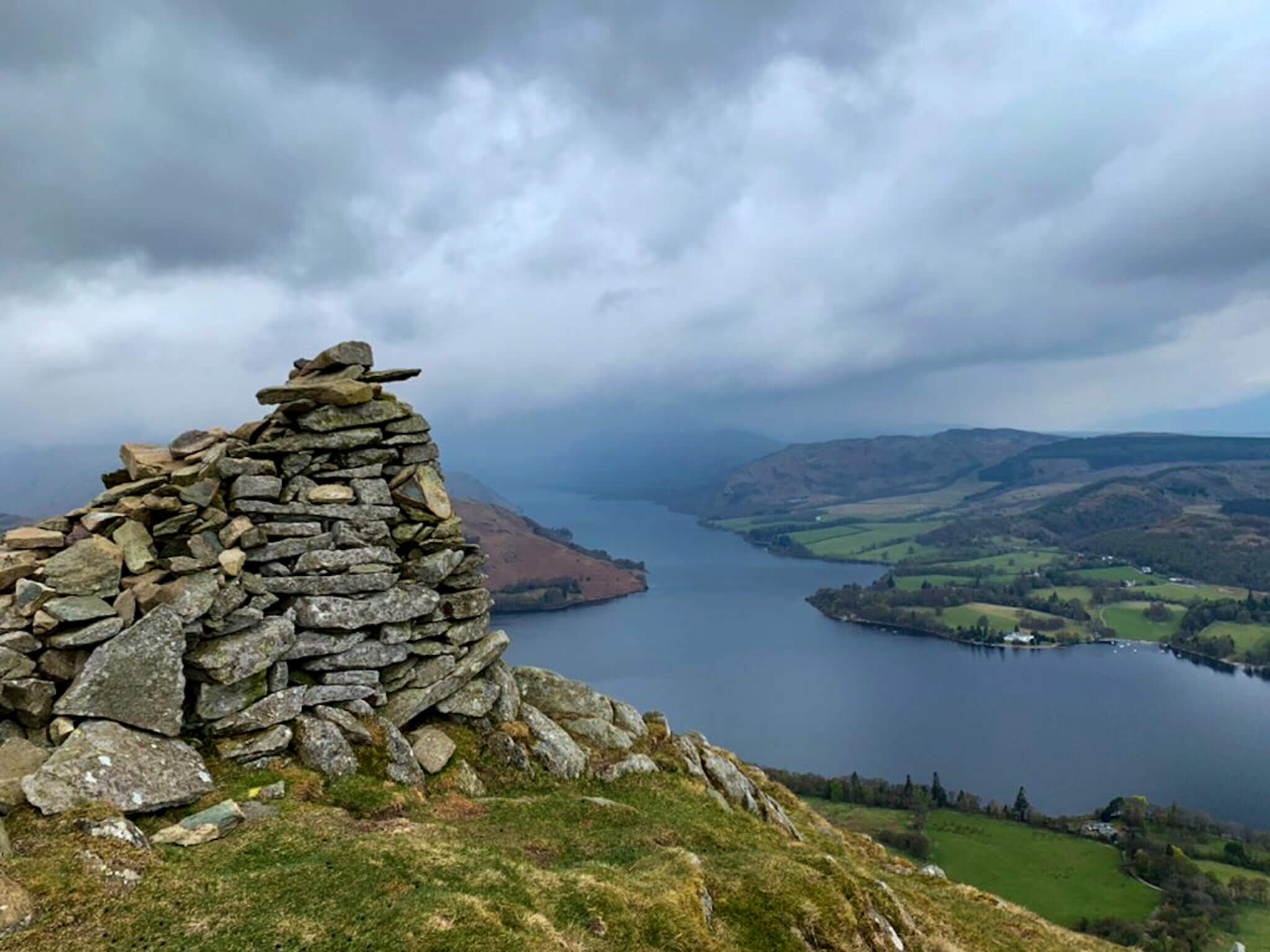
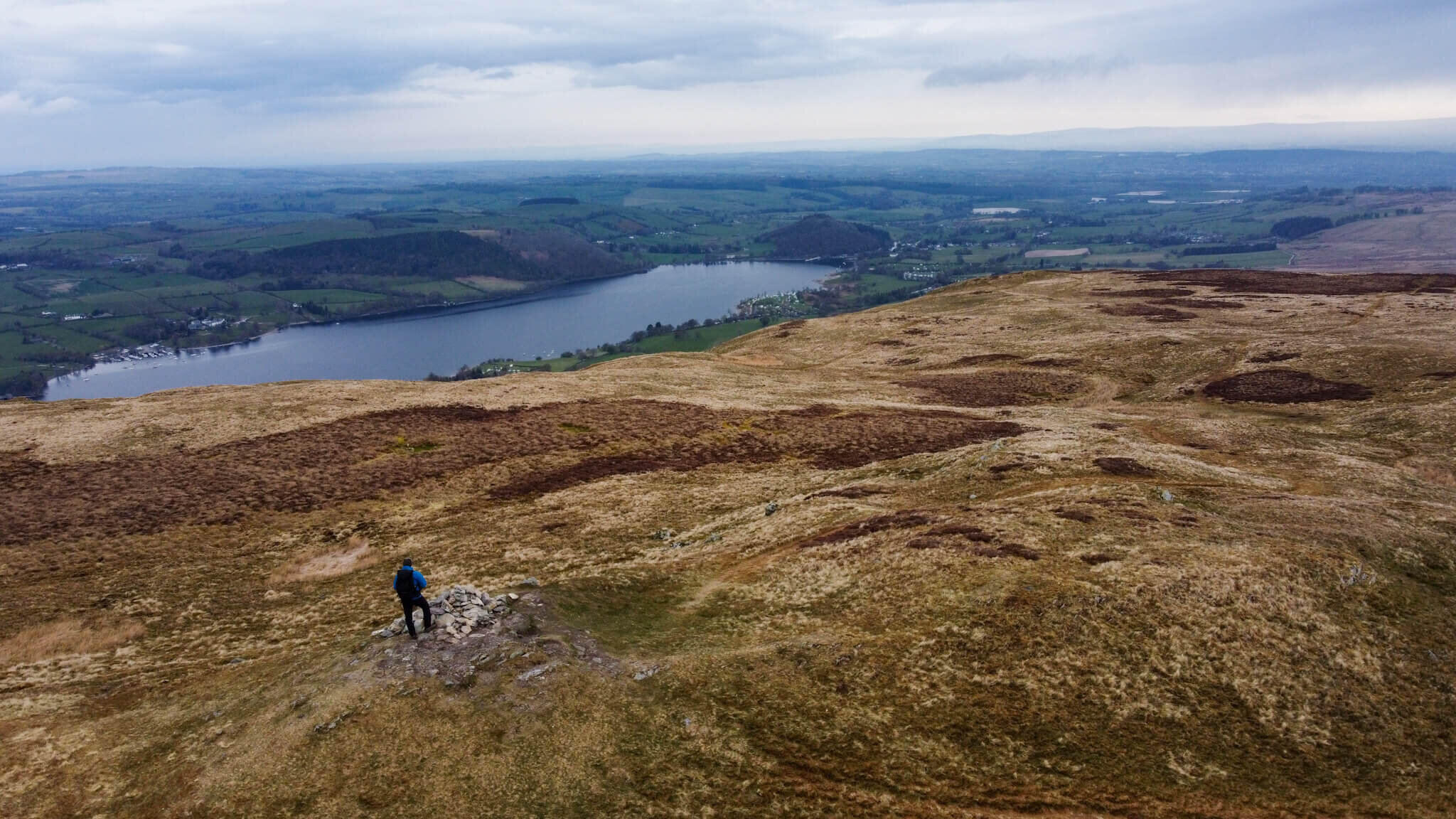
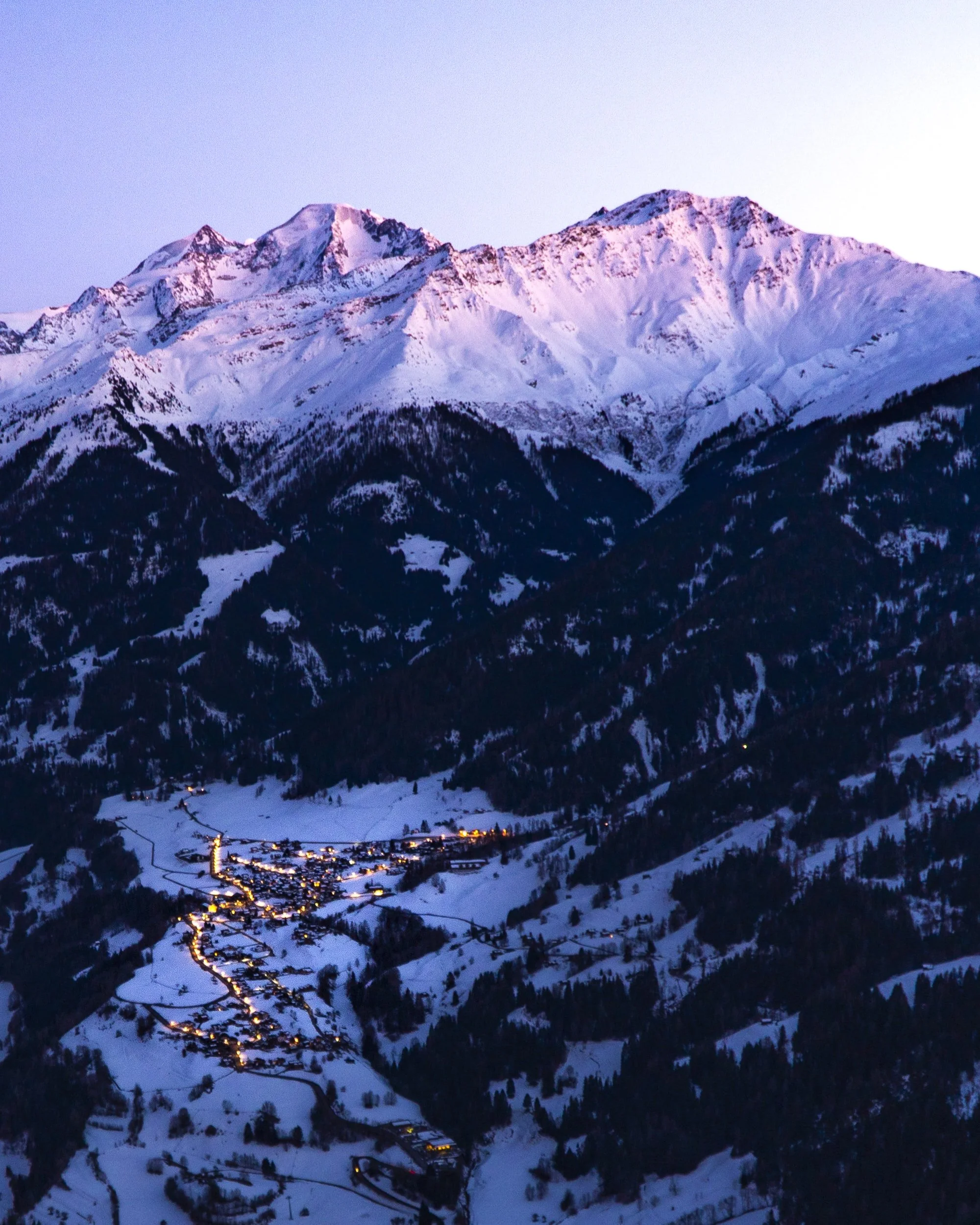
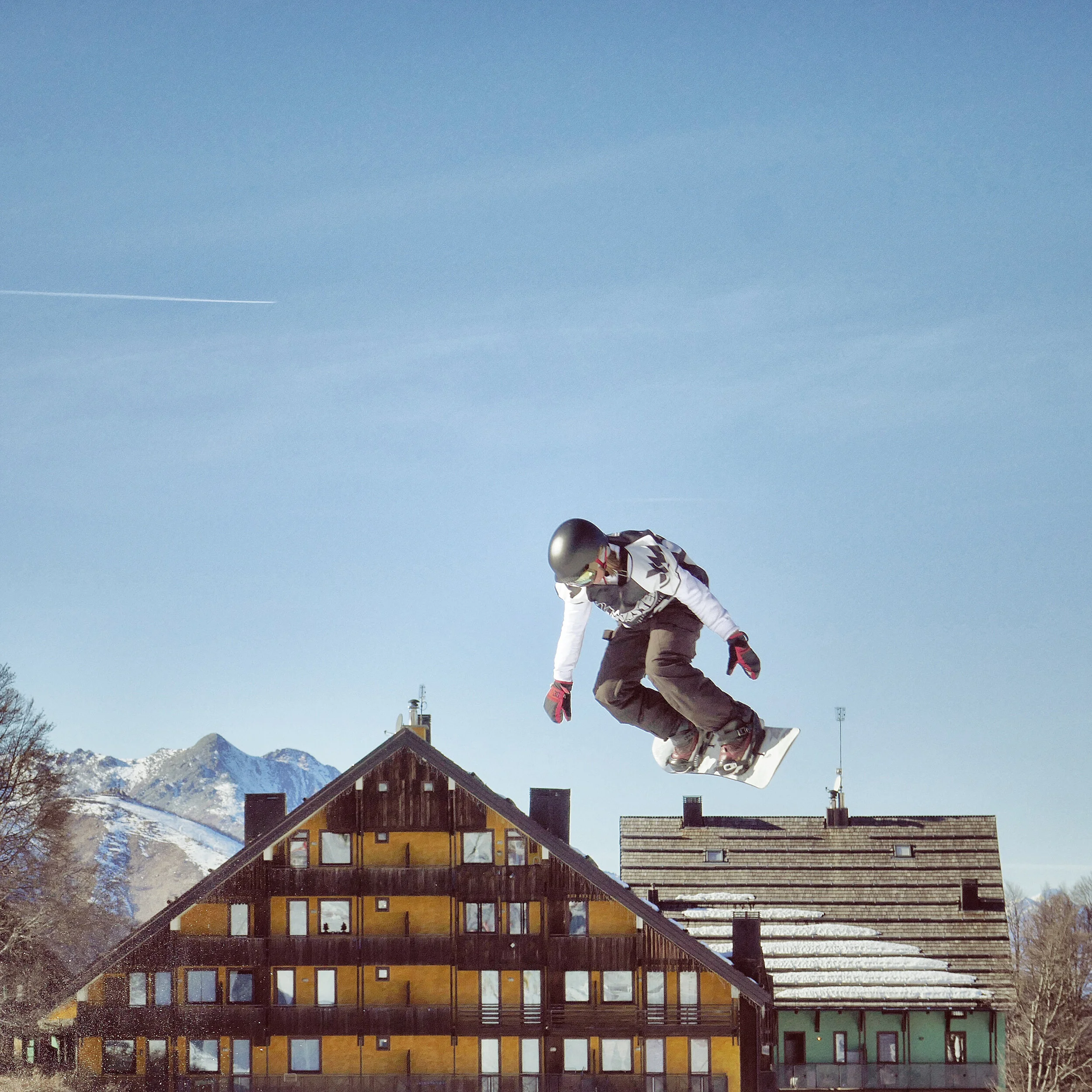


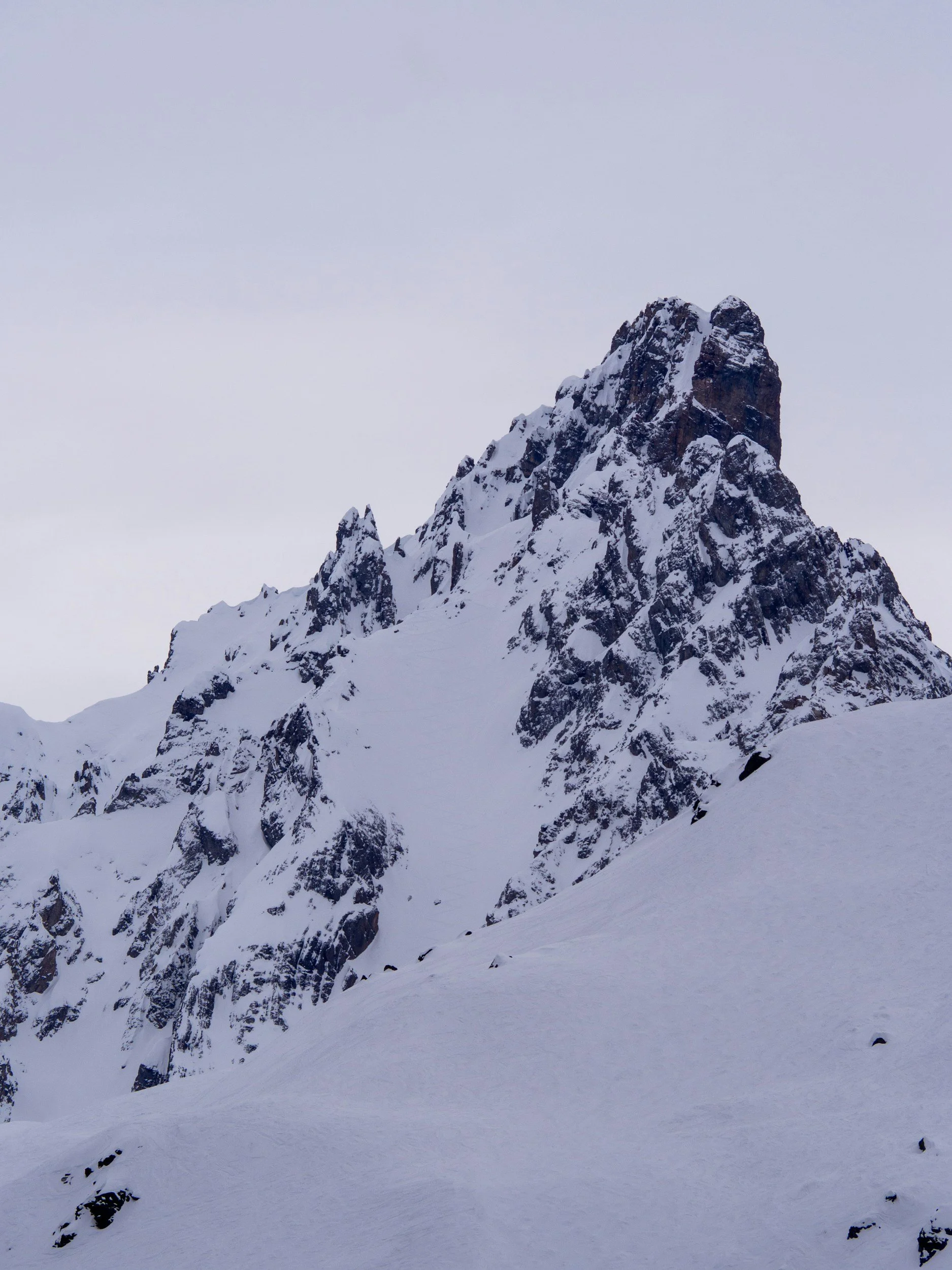


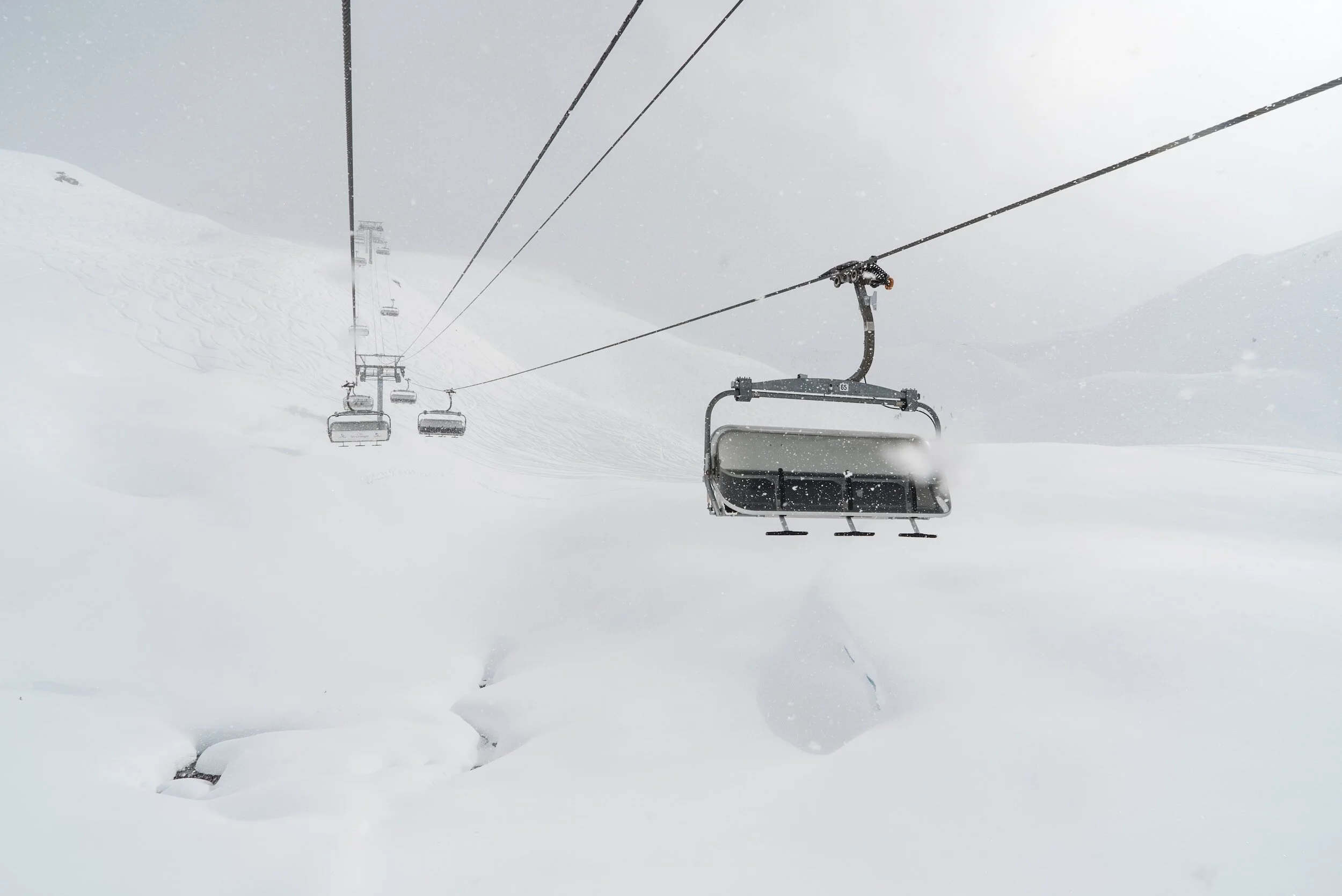






Branstree and Selside Pike From Haweswater | Lake District Walks
This Branstree and Selside Pike walk allows for a circular route from Mardale Head which looks down upon the fantastic Haweswater Reservoir and tramples the Old Corpse Road. If you are looking for a quieter region of the Lakes then the Far Eastern Fells do a great job of delivering on adventure and views, but staying away from the crowds.
Looking back over Haweswater Reservoir
WATCH THE VIDEO
Starting this walk on the banks of Haweswater is impressive. In fact, the drive towards the car park at Mardale Head provides excellent insight into the views you can expect from this walk. From the car park, you are surrounded by fells, overseen by the imposing Harter Fell and looking back towards Kidsty Pike and High Raise, this really is a beautiful part of the Lakeland.
WALK OVERVIEW
Start -Mardale Head Car Park
There is ample parking to be found at Mardale Head car park. This car park is free and works on a first come first served basis. Although I have not experienced issues with parking here I can image during the height of summer that an earlier is better rule is best applied.
Distance - 9.5km / 5.9 miles
Duration - 3hr 20 mins - 4hrs.
The initial section from Mardale head along the Gatescarth pass is steep but once at Branstree the route ambles along an easy (if somewhat boggy) path.
Difficulty - Easy-Moderate
Total Ascent - 563m
Map - You can find my full route here on Ordnance Surveys website

Branstree and Selside Pike Circular Walking Route
STARTING YOUR BRANSTREE AND SELSIDE PIKE WALK
Gatescarth Path
The car park marks the end of the road alongside Haweswater at Mardale Head. From here a gate indicates the start of the ascent along the Gatescarth Pass. The path is well-maintained and makes for an easy-to-navigate route.
FACILITIES
At the car park there are no toilet or shop facilities so ensure you are prepared for your walk in advance. The car park is free of use at the time of writing.
BRANSTREE AND SELSIDE PIKE ROUTE
From the car park, the initial section follows the well-maintained Gatescarth Pass which winds its way from 252m to an intersection around 500m. The intersection is your cue to turn left and start the mellow path along Branstree.
Start of the Gatescarth Pass
Looking back towards Haweswater from the Gatescarth Pass
The path itself is well-defined and starts mellow before hitting a steeper section. At a moderate pace and with a few rest stops this part of the route took around 30 - 40 minutes before reaching the intersection. Plenty of walkers were flying up it, so just judge this section based on your fitness levels.
The Gatescarth Pass dissects Branstree on the left and Harter Fell on the right as can be seen in the photo below.

The Gatescarth Pass cutting between Branstree and Harter Fell.
When you leave the well defined Gatescarth Pass towards Branstree the path is less clear. The next section will involve walking on grass as pictured below. This may be the first section where you require navigation, you can find my route here.
The path up Branstree remains rather mellow and makes for a nice change from the initial steep ascent from the Mardale Head car park.

Path towards Branstree with Harter Fell in the background.
The summit of Branstree is pretty unremarkable with a small marker on the floor of a fairly flat fell top. Slightly further on from the summit is a large cairn that can make for a good wind cover in adverse conditions. The summit of Branstree is the highest section of this walk at 713m meaning that from here you are on a gradual descent.

The walk between the summits of Branstree and Selside Pike can get quite boggy in wetter weather. The reward for your endeavour is fantastic views back down towards Haweswater. This section of the path hugs a long fence, if you keep this on your right hand-side you cant go wrong.
The summit at Selside Pike is marked with a Cairn that makes the perfect shelter from the conditions. See video (5:58). Even in good conditions, the Cairn makes for a great spot to sit, rest and have some grub.
This walk finishes by connecting with the Old Corpse Road. This historic part of the route, leads you back down the fell side and towards the banks of Ullswater. The old shepherd hut pictured is a great spot to get some photos of Haweswater form an elevated position.

BRANSTREE AND SELSIDE PIKE GALLERY




TOP TIPS FOR WALKING BRANSTREE AND SELSIDE PIKE
If your intention is to park at Mardale Head, be sure to get an early start during peak weeks.
Take your time on the way up the Gatescarth Pass. Despite feeling steep, this was actually a highlight of this walk.
Consider wearing gaiters if the weather has been wet recently. There are a few sections of this walk that can be quite boggy.
Thanks for reading this post. If this post provided value for you then you can support me in making future content by using the link below to Buymeacoffee.
Alternatively, you can use the tip jar: https://paypal.me/sjburgess87?locale
MORE FROM THE FAR EASTERN FELLS





Selside Pike | Wainwrights Far Eastern Fells
SELSIDE PIKE
Selside Pike is a summit 655m high in the Far Eastern Fells of the Lake District national park. Categorised as one of the Wainwrights Selside Pike can be combined with nearby Branstree if you are out peak bagging. Selside Pike is a child summit of High Street .
Looking back over Haweswater
SELSIDE PIKE INFORMATION
HEIGHT IN METRES 655m
HEIGHT IN FEET 2149ft
RANGE Far Eastern Fells
GRID REFERENCE NY490111
Have you walked Selside Pike? Let me know what you thought of the views below.
APPROPIATE MAP


WAINWRIGHT’S GUIDES

SELSIDE PIKE VIDEO
SELSIDE PIKE MAP
SELSIDE PIKE WALK SUGGESTIONS
SELSIDE PIKE GALLERY


RELATED POSTS

European Snowboard Guide
As a continent, Europe offers an unrivalled experience when it comes to the variety of cultures you can experience on the slopes. With an expanse of terrain and accommodations available on every budget, Europe should be on everybody’s snowboard bucket list. Whether you intend to ski big lines in the Alps and Dolomites or smaller resorts in Eastern Europe there is plenty of choice. A ski trip to Europe offers world-class resorts, renowned backcountry routes and a mix of diverse cultures and cuisines that make for a memorable trip.

Europe has hundreds if not thousands of ski resorts but their density means that you can often ski a number of resorts on the same trip. Coupled with conjoined ski areas and multi-resort passes it is possible to not only ski multiple resorts on the same day but also multiple countries. Start your day in France and ski over to Switzerland for lunch… or stay in more affordable Italy and ski during the day in France. Europe is an incredible option.
Also making Europe an appealing option is the ease of access and transport between the many ski areas. Multiple major international airports are ideally placed to act as gateways to the mountains. A flight to Geneva or Milan gives you access to world-class skiing within a 2 hour drive. Whether taking a transfer or self-driving the resorts of the French & Swiss Alps or the Italian Dolomites are within reach. Even more adventure is available when you consider train journeys to Bourg Sainte Maurice or the Pyrenees as a unique way to access the pistes. Similarly, Switzerland has incredible train journeys to access Grindelwald and Verbier.
Europe is home to many snow sure resorts at high altitudes, some offering glacier skiing and supplementing natural snowfall with extensive snowmaking facilities. Consider the resorts of Les 2 Alpes and the Les Trois Vallees for decent snow. The season tends to run between November and May in Europe but most ski resorts will open December through April. For the best conditions aim for January and February when resorts receive ample snowfall. Europe offers guaranteed skiing not only in winter but year-round. Resorts like Sass-Fee open their glaciers throughout the summer and with long seasons experienced in Scandinavia there is plenty of exploring to be done. If you are a fair-weather skier consider heading to Italy and the Dolomites in April or May where skiing is possible on Presena Glacier in full sunshine mode. If you can avoid school holidays, you should. European resorts can become busy during the peak weeks and this will result in long lift lines. There are still some spots that are less prone to the crowds so a bit of research will ensure you can still enjoy your trip.
If you’d like some input and advice for planning your European Ski or Snowboard holiday consider booking a Trip Planning Session.
MULTI-RESORT LIFT PASSES
AUSTRIA
Snow Card Tirol
The Snow Card Tirol covers over 90 ski areas including; Hintertux, Kitzbühel, Mayrhofen and Sölden. For €850 you get unlimited access to the 90 resorts which include glacier skiing between October and May.
Super Ski Card
Covering 22 ski resorts across Austria the Super Ski Card offers exceptional value. €805 will give you access to; Kitzbühel, Flachauwinkl, Dachstein and many more.
FRANCE
Portes Du Soleil
One of Europe’s most popular areas is the Portes Du Soleil. Ski between France and Switzerland on this multi-resort pass that includes; Avoriaz, Morzine and Les Gets. In total, you get access to 12 resorts for around €900 which is fantastic value. The resorts of the Portes Du Soleil also offers some of the shortest airport transfer times in the French Alps.
Les 3 Vallées
Coming in at a whopping €1300 is Les 3 Vallées ski area in France, but is it worth it? A season pass in Les 3 Vallées offers access to the world’s largest combined ski area and some of the best skiing and snowboarding throughout the French Alps. The big hitters of Courchevel, Meribel and Val Thorens are all on this pass, but my favourite is Orelle.
The Grand Massif
One of my favourite season passes in Europe in the Grand Massif pass. If you buy it before December you can receive a 50% discount meaning you can have a whole winter on snow for around €500. The Grand Massif pass includes five resorts; Flaine, Les Carroz, Morillon, Samoëns and Sixt Fer a Cheval.
ITALY
Skirama Dolomiti
The Skirama Dolomiti pass includes 8 resorts, 150 ski lifts and 380km of slopes in the stunning Dolomites. One of my favourite ski passes, the Skirama Dolomiti pass includes the world-famous Madonna Di Campiglio as well as best kept secrets like Pejo 3000. For an early buyers price, you can ski from November into May for €820.

Aosta Valley
Does skiing with views of Mont Blanc or the Matterhorn sound good to you? Well, the Aosta Valley Skipass may just be what you are looking for. Including Courmayeur and Cervinia it is possible to add Zermatt to this ski pass as well but it will set you back nearly €1300.
SWITZERLAND
Magic Pass
The Magic Pass is nearly too good to be believed. An early bird discount can see you grab unlimited ski resort access for under 400 CHF. The Magic pass covers 30 resorts including; Saas Fee, Les Diablerets and Grimentz. What makes the Magic Pass even better value is the access to these lift installations during the summer months.
Explore By Country


EUROPEAN SKI RESORTS
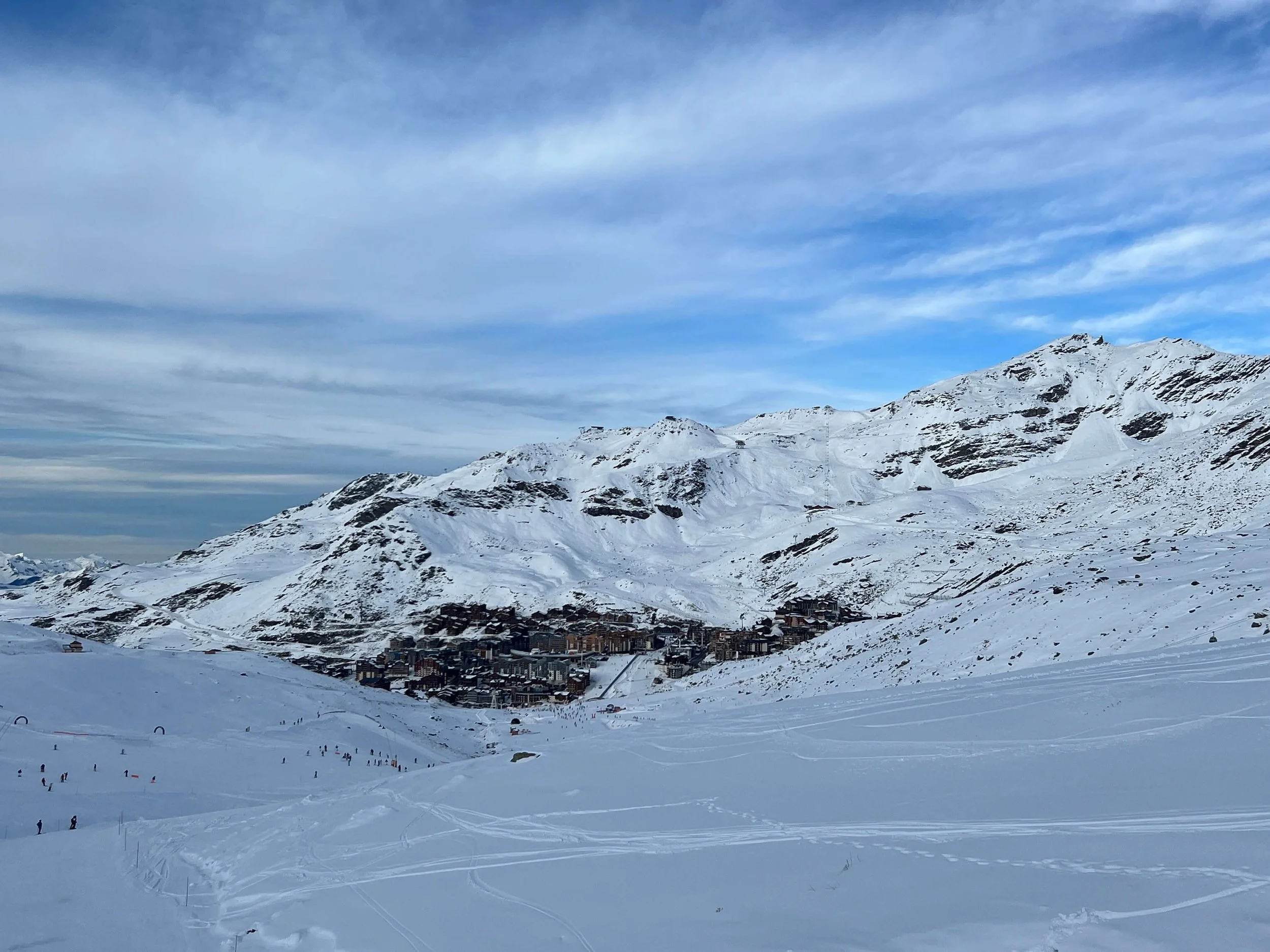








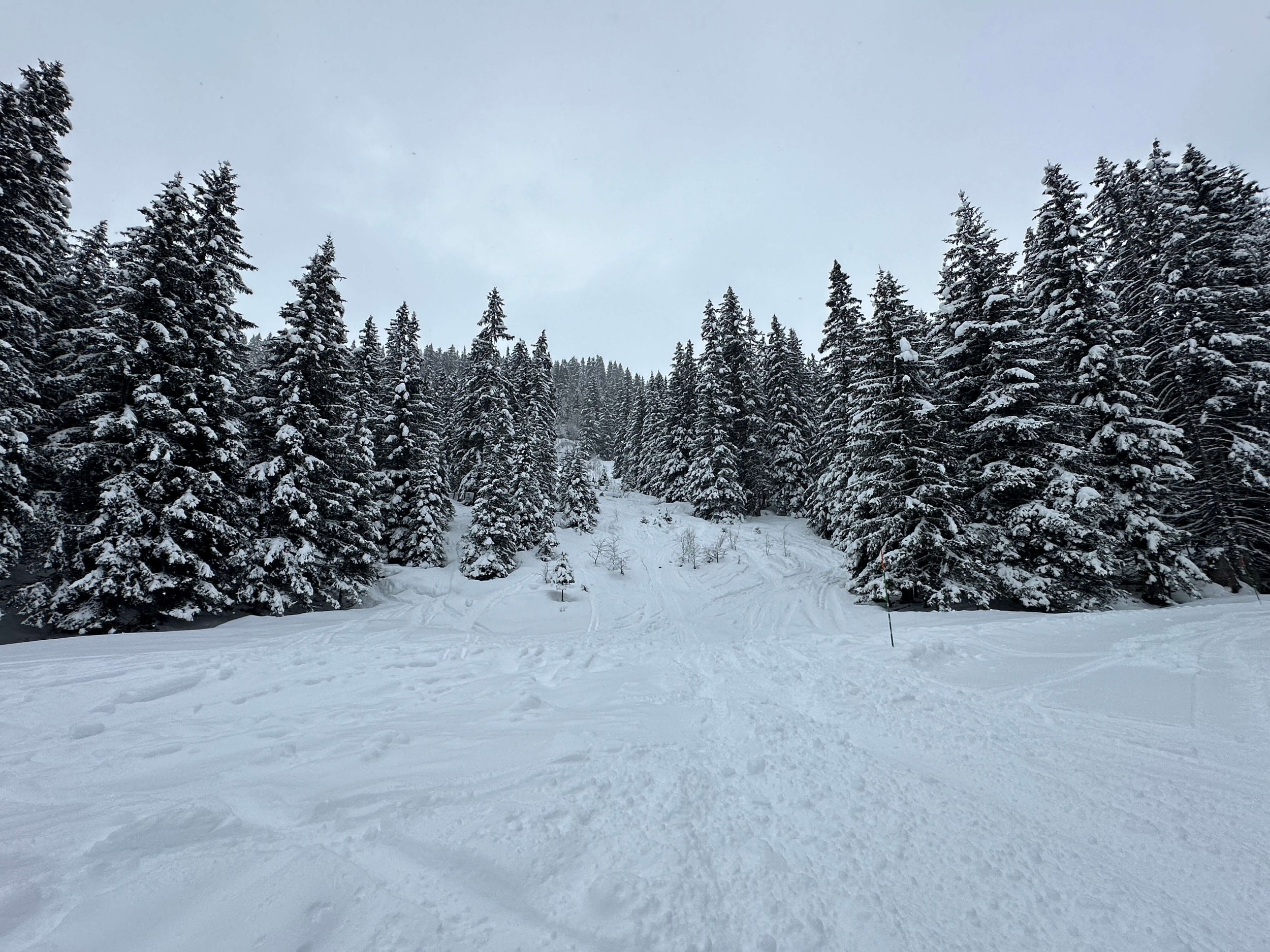
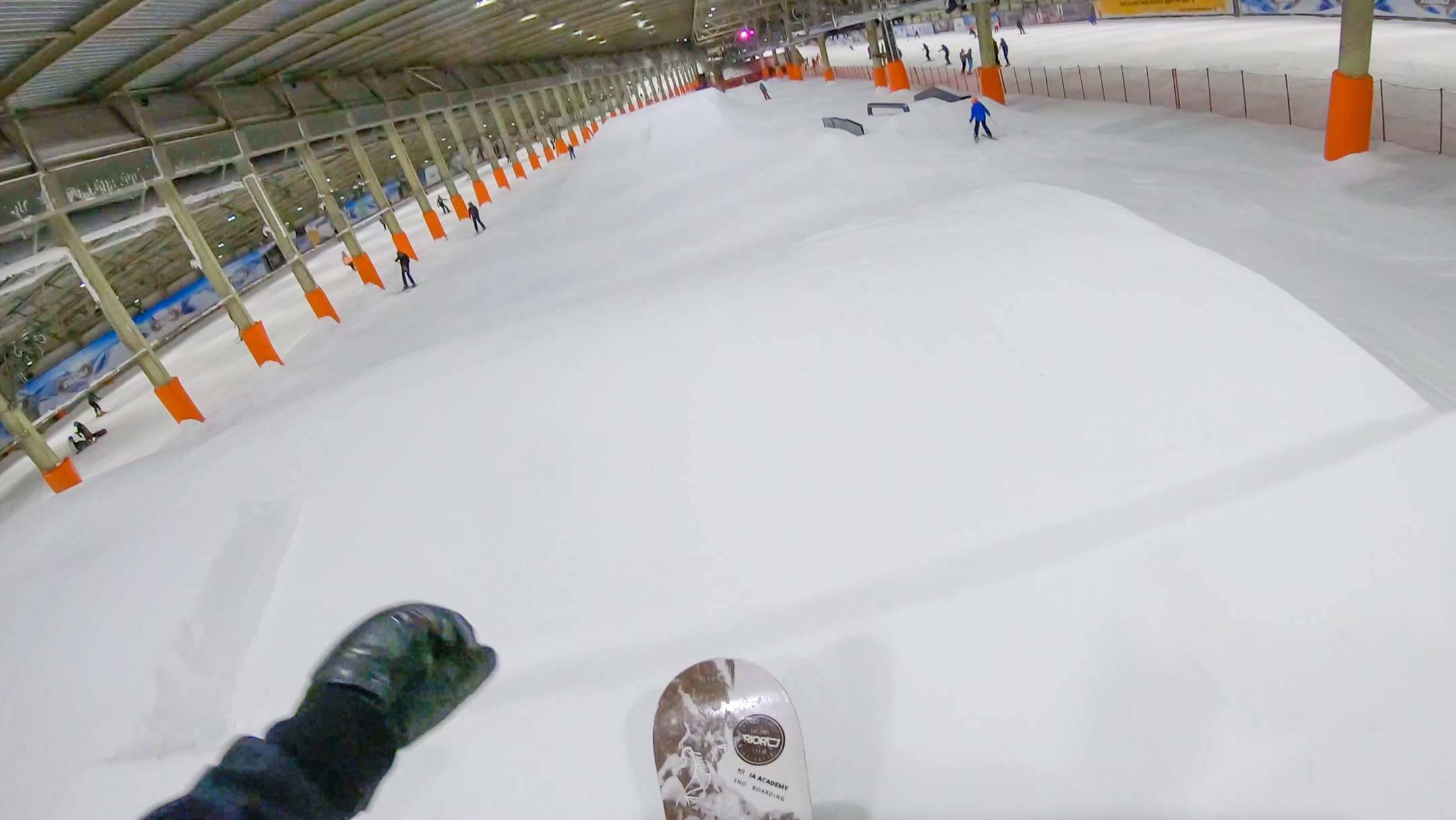
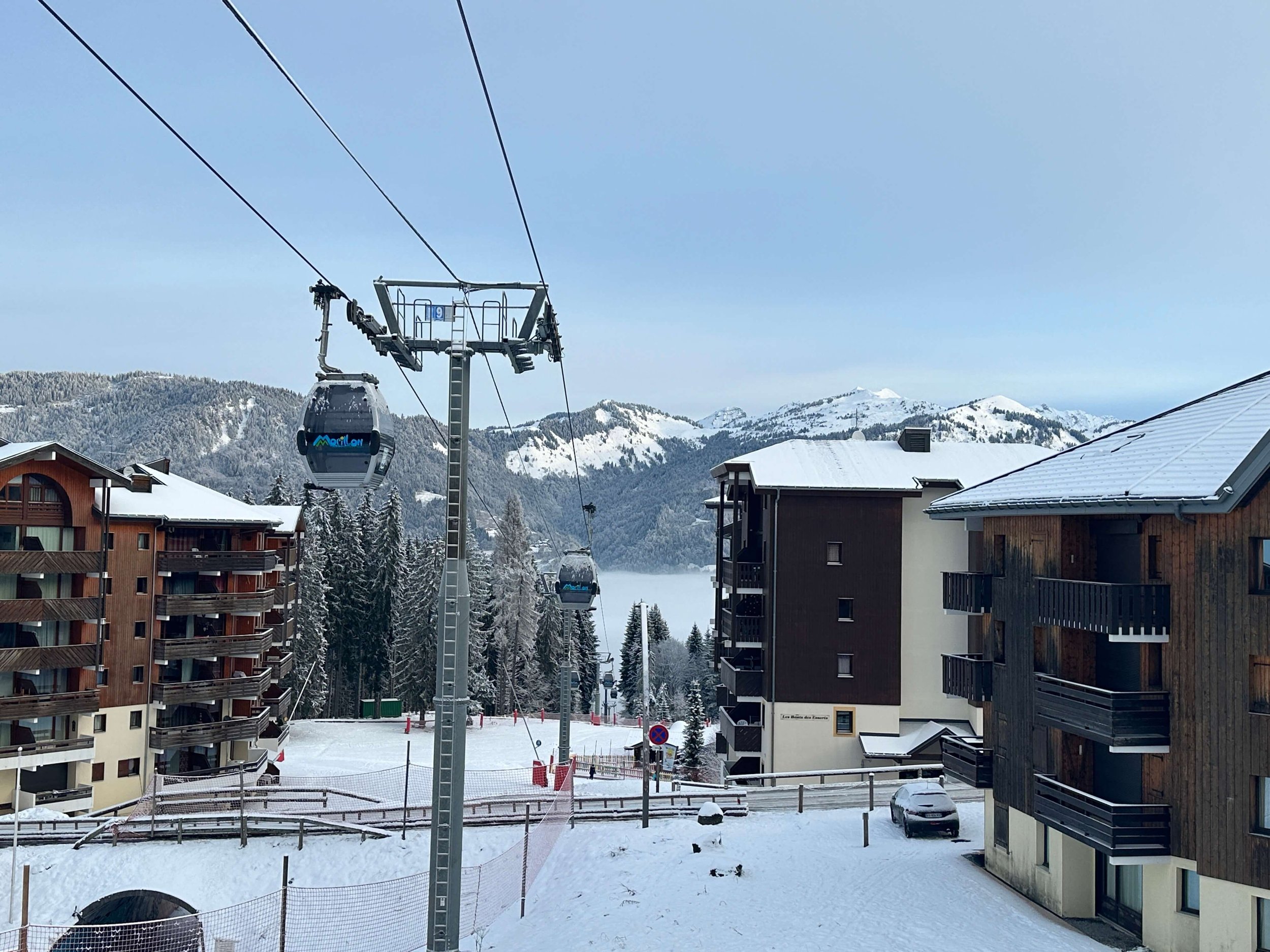
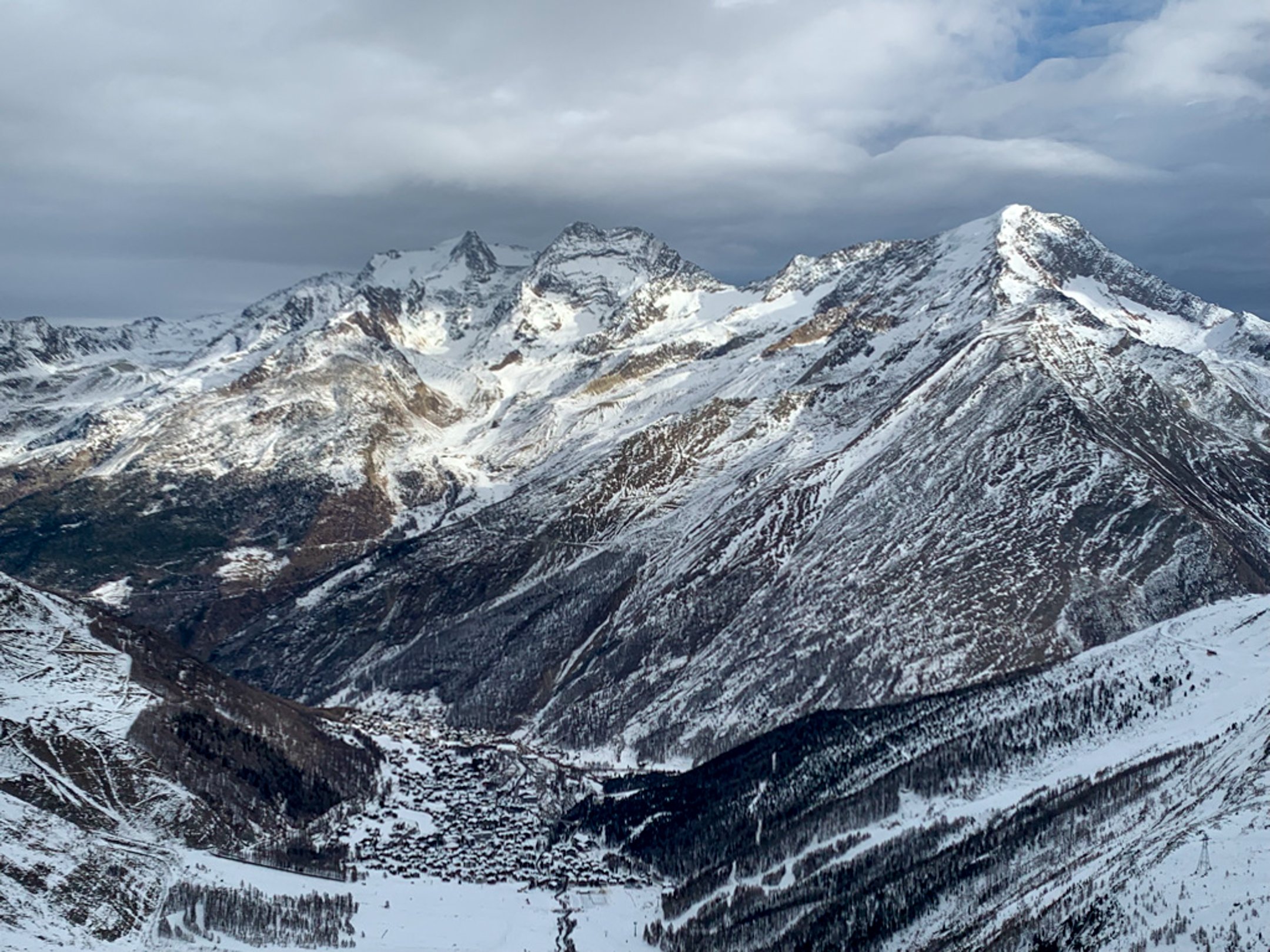


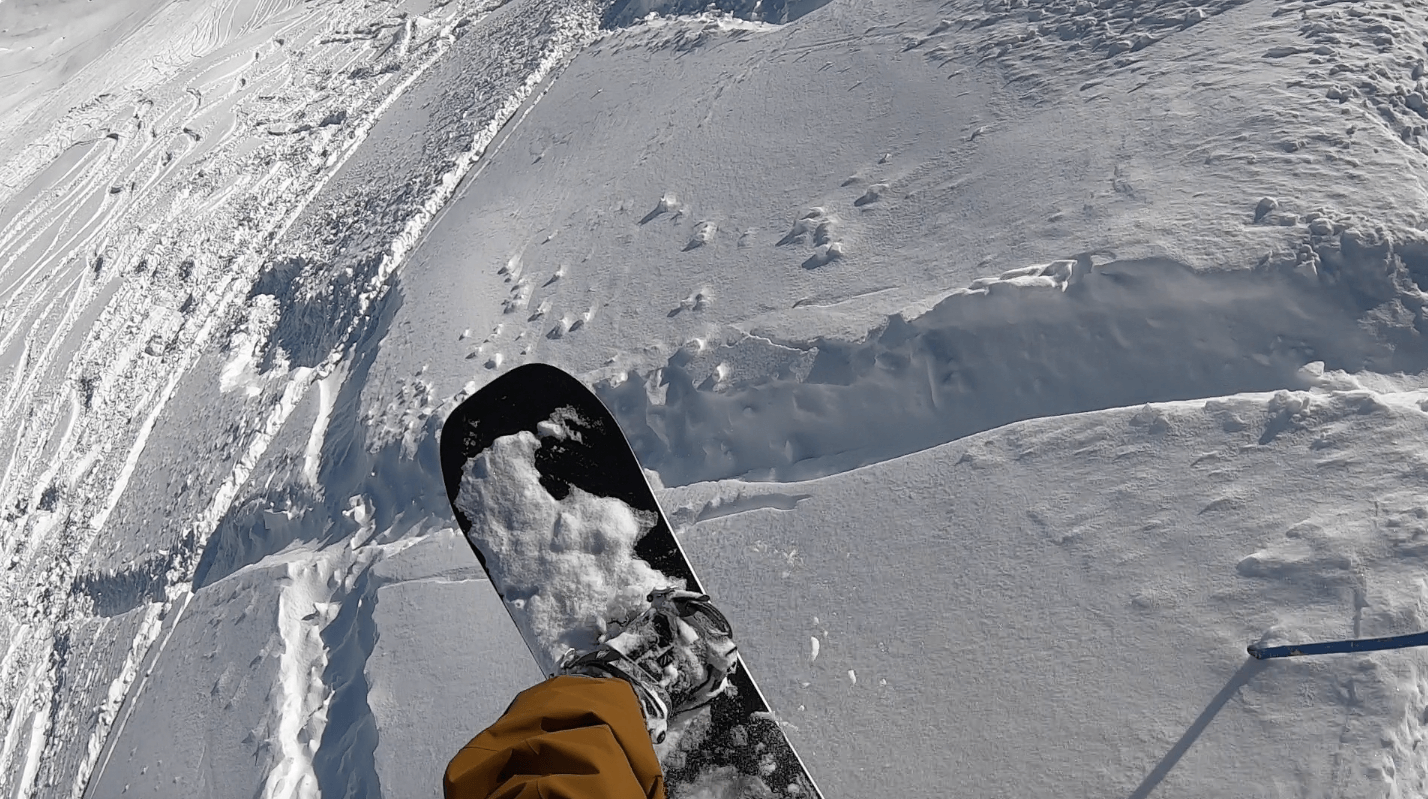

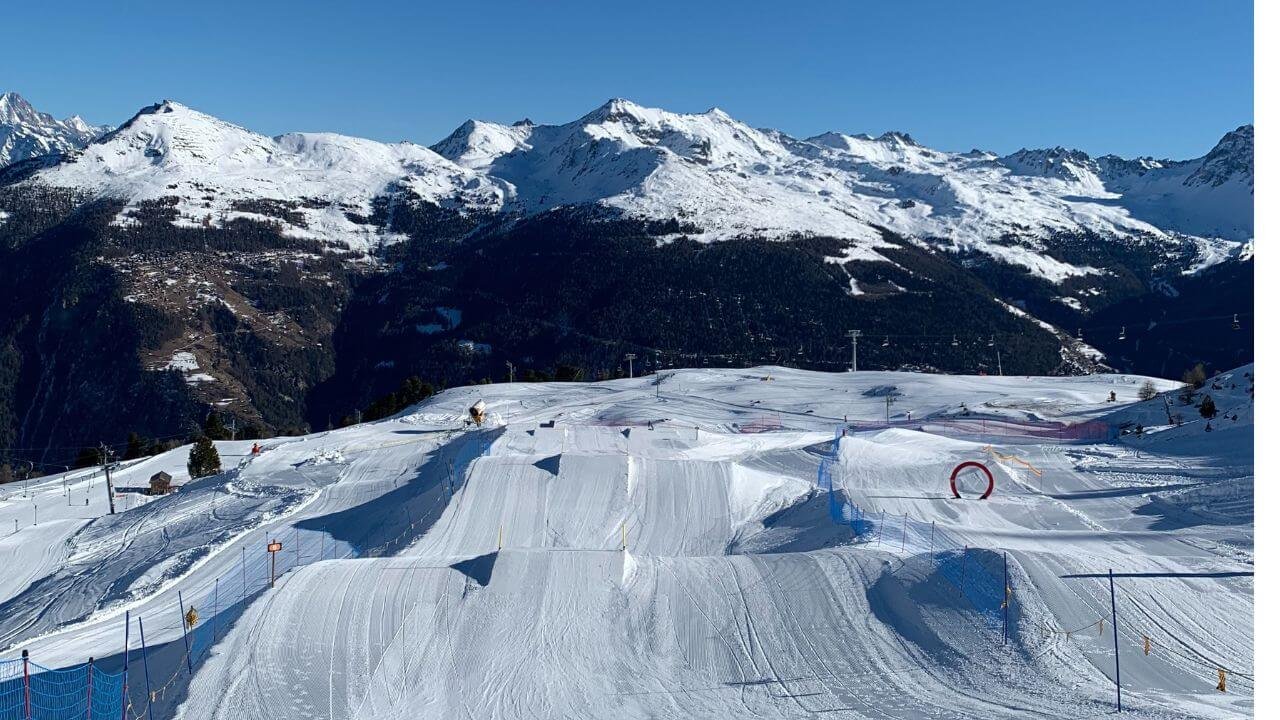
EUROPEAN SNOWBOARD VIDEOS
Frequently Asked Questions
Where Should I go Skiing in Europe?
The options are literally endless and that is one of the great things about a European ski trip. You can make decisions based on; your ability, your budget, travel time or a nearby landmark you’d like to visit on your ski trip. My experience of snowboarding in Europe has been great whichever country or resort I have visited. If you are looking for that ‘Big Mountain’ experience then consider heading to the Alps of France and Switzerland or the Dolomites in Italy. In all of these place you will find resorts set amongst some of the most stunning mountains in the world. If you are on a budget then consider any of the resorts or countries on this list I compiled here. By heading to Bulgaria or Slovenia you will still experience a beautiful winter environment and good facilities but you will save money whilst doing so. If you have any questions or would like advice on where to ski or snowboard this winter feel free to get in contact via the comments in any post and I will see if I can help.
Where is the cheapest skiing in Europe?
As mentioned above there are a number of places or countries you can visit for a more affordable European ski trip. Even within the more traditionally expensive options like France or Switzerland there are exceptions to the rule, but if you are looking for a budget ski destination without sacrificing quality then check out this post.
Is skiing in Europe cheaper?
One major concern regarding a ski trip is affordability and European skiing is no different. Skiing in Canada and the USA can be more affordable once you are in those countries but you are likely to spend more on travel costs. For example a flight to Canada will be significantly more expensive than a flight to France, but once in France your daily costs will be more significant. France is notoriously expensive when it comes to eating on the mountain whereas Canada can be very affordable. Of course there will be premium or budget accommodation options in Europe and the other side of the pond and your choices in this regard will affect the overall cost of your ski trip.
How many ski resorts are in Europe?
The quick answer is a lot and this number will be in the thousands. skiresortinfo.com list the answer as 3706 ski resorts in Europe. Whether this number is accurate is another issue but it goes some way to demonstrate the number of ski resorts across the continent.
What is the highest ski resort in Europe?
A general rule of thumb when looking for snow sure resorts, especially in early or late season is to look for the highest ski resorts. In Europe, you have plenty of options in this regard with high altitude glacier skiing available in Tignes, Les 2 Alpes, Saas Fee and Zermatt. However, the ski resort that is the highest in Europe is Val Thorens, which forms part of the 3 Vallees ski area. The highest lift accessible point in Val Thorens is 3200m with the village sitting at 2300m. With a village at above 2000m you can pretty much guarantee good quality snow and a long season in Val Thorens.
RELATED POSTS


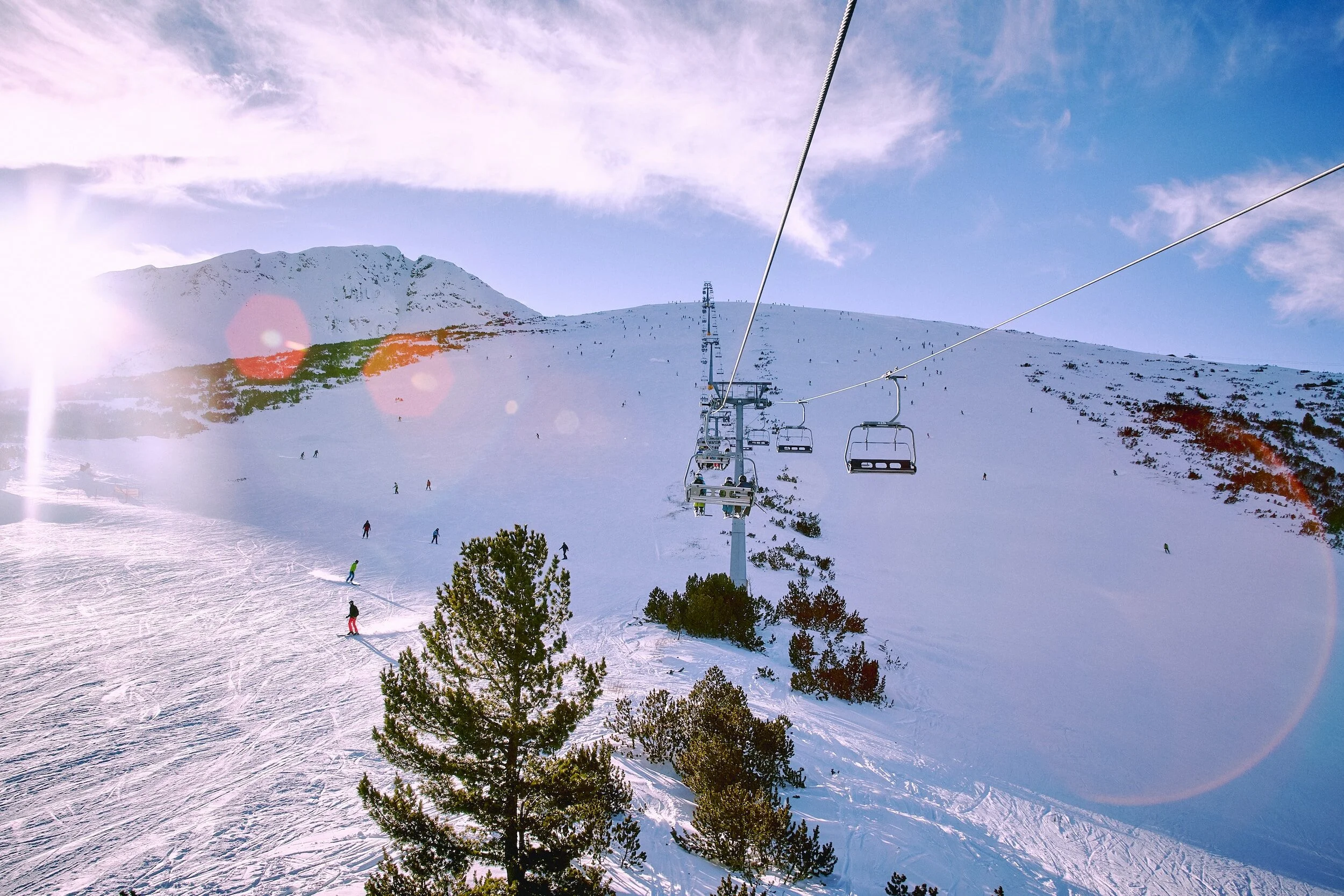



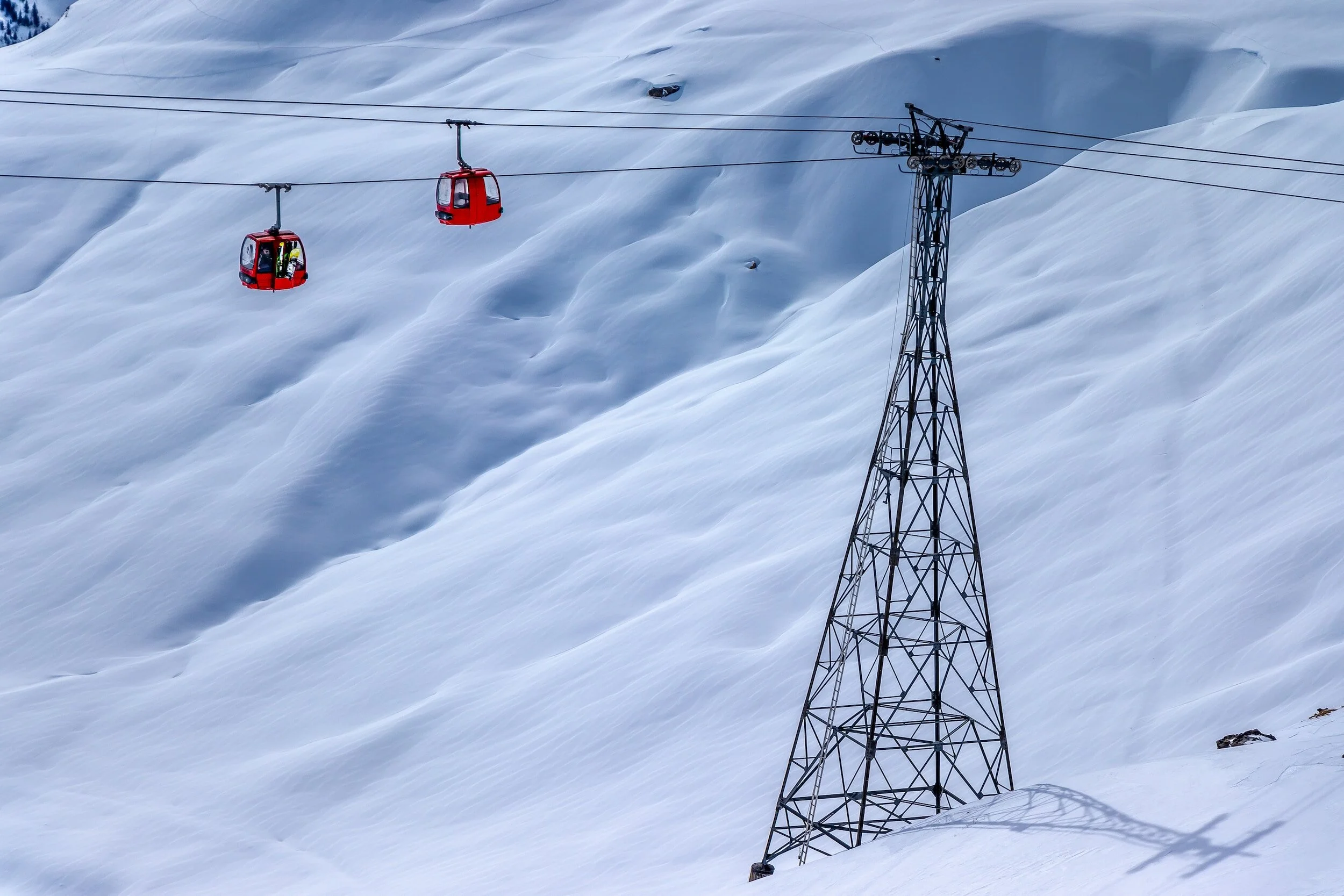
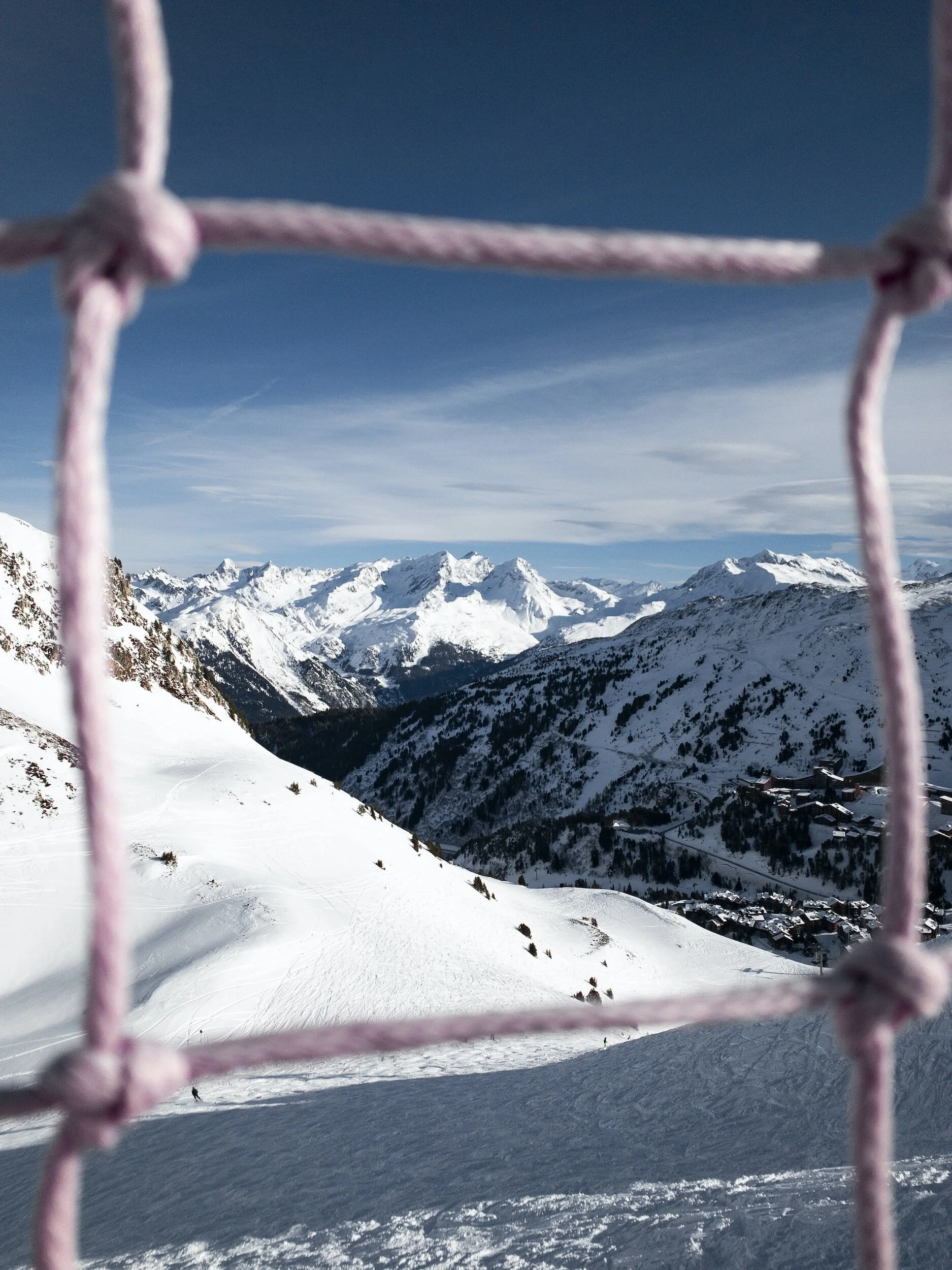


Beda Fell Circular Route from Martindale
Nestled in the picturesque Lake District National Park, the stunning landscapes of Martindale offer a plethora of breathtaking hiking trails to explore. Among the many scenic routes, Beda Fell stands out as a hidden gem waiting to be discovered. With its tranquil surroundings, sweeping vistas, and a sense of solitude, Beda Fell presents a perfect hiking adventure for nature enthusiasts. In this blog post, we will delve into the beauty of Beda Fell and guide you through a mesmerizing walking route from Martindale
Beda Fell
This Beda Fell walk, begins and finishes in Martindale, a small village on the southeast of Ullswater. Access to Martindale is an adventure in itself. Option one is a narrow country lane from Pooley Bridge via multiple campsites and Howtown. When driving this road, please be aware of the last passing lane… you may need to reverse some way to access it. Option two involves taking the Ullswater Steamer from Pooley Bridge to Howtown. Howtown Jetty is a short walk from Martindale so won’t add much time to your walk however the boat will add some excitement to accessing the walk.
The walk to Beda Fell straggles the valleys of Boredale and Bannerdale and as such offers so great views across both valleys. It is possible when walking this loop to see many deer running in the conversation area surrounding The Nab.
WALK OVERVIEW
Start -ST Martin’s Church Martindale
You can park directly at the church in Martindale but be sure not to block any gates or farm traffic. Outside the church there is space for a few cars, however further parking is available near the base of Hallin Fell and the Church of St Peter if spaces are full.
Tip - Park in Pooley Bridge and take the Ullswater Steamer to Howtown. The lake crossing certainly adds something special to any Howtown adventure.
Distance - 7.9km / 4.9 miles
This distance is calculated on a return circular loop walk to St Martins Church. If you take the Ullswater Steamer to Howtown you will need. to add an additional 1.6 miles to this route.
Duration - 2hr 40 - 3hrs 30 mins.
This is a fairly moderate walk with. a couple of steeper sections. Depending on your fitness levels you can expect around 3 hours of walking for this route.
Difficulty - Easy-Moderate
Total Ascent - 390m
Map - You can find my full route here on Ordance Surveys website

Beda Fell Circular Walking Route
PREPARING FOR YOUR BEDA FELL WALK
NAVIGATION
As with all good walk preparation, you will need a way to navigate on your walk. I use the OS Maps App on my phone and you can find my route here
If you are navigating using your phone be sure to do the following;
Download the map before you leave wifi - you CANT guarantee you will have a signal in the mountains.
Bring a battery pack or way to charge your device.
Print a copy of the walk before you leave from the Ordnance Survey Website as a backup.
I also use my Suunto Watch as a backup navigation tool, however, if you are not confident that your technology will last you should purchase the Ordnance Survey Map for your walk.
WEATHER
If there is one thing that is for certain when walking in the British Mountains is that you can never be sure of the weather. Even on days that are forecast glorious sunshine, it is best to be prepared for the worst, as conditions can change rapidly.
Check the latest Beda Fell weather here
WHAT TO WEAR
When hiking in the UK it is important to remain flexible and with this in mind, layers are certainly your best option. Mountain environments can be unforgiving and weather can change quickly. It is normal to see winds increasing and temperatures dropping as you reach your chosen summit. Make sure to pack a spare layer for the summit.
Suitable footwear in the form of walking boots or shoes is advised, especially when conditions are less than ideal. A good pair of walking boots will offer your ankles support, keep your feet dry and ensure you have grip, especially on those wet days. Yes, you probably could make it to the top in that old pair of tennis trainers… but will your feet thank you?
STARTING YOUR BEDA FELL WALK
This Beda Fell walk begins from St Martins Church in Martindale. You can access the church using the following Postcode CA10 2NF. Parking by the church is free and on a first come first served basis. If there are no available spaces then it is possible to park near the base of Hallin Fell.
FACILITIES
With Martindale being more of a rural village than a tourist hotspot there are no facilities, shops, cafes toilets etc. Your nearest opportunity to get supplies is in Pooley Bridge. Personally, this is a positive as it draws fewer people but it is worth noting you should be prepared for a wild wee if you get caught short.

BEDA FELL FROM MARTINDALE ROUTE
Starting your walk from Martindale means that you are already in the heart of the valley. From the parking spot you will already be taking in some pretty epic views of the surrounding fells. Walking across Christy Bridge in the direction of Winter Crag, you will see a farm on your right hand side. Walk past this farm and on the bend of the road you will see a path leading up Winter Crag. This is your entry point to the Beda Fell walk.

Bannerdale Valley Views
The path slowly leads up towards Howstead Brow, where you will get your first viewpoint from a bench on Howstead Brow. Although early in the walk, this viewpoint makes a fantastic spot to adjust any layers or just take in the view of Ullswater.

Viewpoint At Howstead Brow
From Howstead Brow the path winds its way along the tongue splitting the valleys of Bannerdale and Boredale. There is little to go wrong in terms of navigation here with the path to Beda Fell well-trodden. There is a false summit at Low Brock Crags a mere 60m below the summit of Beda Fell at Beda Head 509m.

The Path to Beda Head
The route to Beda Head is meandering and you will need to account for the odd small rocky approach. Although there is a little clambering required to navigate the rocks, nothing technical or challenging stands in the way of your approach.
There is a false summit and Cairn at Low Brock Crags which offers some exceptional views across the Lake District Fells. Don’t be fooled though, I have seen people reach this cairn and then begin their decent as if the goal had been achieved.
As you climb higher, you'll find yourself immersed in a landscape of rolling fells, heather-clad slopes, and huge valleys. Beda Fell offers a relatively quiet and less crowded experience compared to some of the more popular peaks in the Lake District, allowing you to truly connect with nature and enjoy moments of solitude. One of the highlights of the Beda Fell walking route is the breathtaking views that unfold as you reach higher ground. From the summit, you'll be rewarded with panoramic vistas of the surrounding fells, including the iconic Helvellyn range, Place Fell, and the shimmering expanse of Ullswater. On a clear day, the views stretch as far as the eye can see, providing ample opportunities to capture stunning photographs
Looking across to Place Fell from the summit of Beda Fell

View back to Ullswater from Beda Fell.
From the summit, you can retrace your steps back down to Martindale however this route leads you on a decent through the Bannerdale valley. I like taking this decent as it offers the opportunity for some wildlife viewing near the Nab which. is home to many deer.

Leaving the summit of Beda Fell you should continue along the path towards Beda Fell Knotts where a left turn will take you on a path down into the valley. The path hugs the side of Beda Fell as you descend towards Dale Head, the meeting point for Bannerdale Beck and Rampsgill Beck. It is here where looking towards The Nab across the farmland you have the opportunity to spot deer within the conservation area.
Sadly, the final part of this walk is fairly mundane road walking although it is banked by fells on either side. The road, leads past the local farms until you again return to the Church at Martindale.
BEDA FELL GALLERY








TOP TIPS FOR WALKING BEDA FELL
Set off early at peak times. During weekends, evenings and holiday periods Martindale and Howtown are popular so plan accordingly. With this in mind if you arrive in Howtown or Martindale and find there is no parking don’t be that person who blocks the road by parking in a passing place!
Completing Beda Fell as a circular walk allows you to take in the conservation area, however, if time is of the essence Beda Fell can be completed as a quick point-to-point walk.
Come prepared, unlike busier Kewick, there is little in Martindale so you will be unable to purchase last minute supplies.
Thanks for reading this post. If this post provided value for you then you can support me in making future content by using the link below to Buymeacoffee.
Alternatively, you can use the tip jar:https://paypal.me/sjburgess87?locale
MORE FROM THE FAR EASTERN FELLS

New Zealand Snowboarding Guide
New Zealand is home to some of the most scenic ski resorts in the world with incredible snowboarding on the doorstep of some awesome towns. In terms of summer snowboarding, it is easy to see why so many ski bums flock to Wanaka and Queenstown for their summer turns. You will find world-class facilities and some awesome terrain. But New Zealand snowboarding is about more than just the Wanaka or Queenstown experience. A snowboarding trip to New Zealand should take you to the clubbies, local run ski fields with a real charm. Snowboarding in New Zealand is set up for an epic adventure. Whether on or off the slopes there is plenty to do with New Zealand offering a whole range of adventure activities, from heli-skiing to bungee jumping you will find it hard to get bored.

SOUTH ISLAND
The South Island is the main hub for snowboarding in New Zealand. It is on the South Island that you will find the majority of the ski areas and you will also find the largest variety. The larger commercial resorts of; Mt Hutt, The Remarkables, Coronet Peak, Cardrona, and Treble Cone will all offer world-class facilities with fast chairlifts and extensive snow-making. Resorts in New Zealand are smaller than you may be used to with less vertical but there is still plenty on offer. On paper, The Remarks is small with only 14km of pistes, however, when you consider the hikes to the off-piste terrain this becomes much larger. The South Island is also home to a number of ‘clubbies’ or club fields where facilities are more basic but the snowboarding just as fun. If you are visiting the club fields be prepared to uplift using rope tows and nutcrackers.
NORTH ISLAND
The largest New Zealand resort is found on the North Island at Mt Ruapehu. The Ruapehu volcano is home to two resorts Whakapapa and Turoa. Mt Ruapehu is prone to bad weather but when conditions are good the snowboarding is world-class. The North Island is also home to indoor snowboarding at Snow Planet in Auckland. This means it is possible to get your snow kick all through the year. Although indoor snowboarding is not enjoyed by everyone I definitely think there is a place for it.
WHAT TO EXPECT
In New Zealand, you will find a mixture of small local run ski areas and larger commercial ski areas. This makes New Zealand perfect as it will have something for everyone’s taste. Loosely speaking you can expect the following.
The larger resorts of; Mt Hutt, Coronet Peak, The Remarkables, Cardrona and Treble Cone will have world-class facilities. The lift passes are more expensive if purchased on a daily basis but there are some great season pass deals. These resorts tend to be more crowded as they are based in the popular towns of; Queenstown, Wanaka, and Methven.
The Clubbies or Club Fields are basically member association run ski fields that are open to the general public. The facilities at the club fields are more basic with rope tows, button lifts, or t-bars. Some slower chairlifts are in operation. Club fields are more affordable but offer fewer facilities with no big lodges on sight.
WHERE TO SNOWBOARD IN NEW ZEALAND
New Zealand is the perfect place to head on a snowboard road trip so you need not restrict yourself to just one of the ski resorts. Queenstown is home to two resorts that can both be accessed in the same day. The Remarkables is one of my favourite New Zealand ski areas with an exceptional terrain park, including The Stash, and some great easy access hiking. The Chutes and Shadow Basin are areas we love. Sticking with Queenstown, Coronet Peak has incredible views and offers night skiing three times a week. A new high-speed chair makes Coronet ideal for getting fast laps. My favourite areas here are off the Greengates Express.
A short drive from Queenstown and you will be in Wanaka. Wanaka is stunning and is worth the visit even if you don’t plan to snowboard. The lake here and surrounding mountains make it exceptional for photography. There are plenty of reasons to visit Wanaka as it is home to Treble Cone ski resort. Treble Cone offers the most challenging terrain of the New Zealand ski resorts and has a good snow record. A short drive from Wanaka and you will reach Cardrona. Cardrona is popular with many and has a great terrain park.
Further North and you will find the town of Methven. Methven in itself is unremarkable with little to do but it is a great base for outdoor activities. Just outside the town, you will find Mt Hutt which is regularly named New Zealand’s best ski area. Mt Hutt has the unfortunate nickname of Mt Shut as it can fall victim to high winds. When it is open it has great terrain with the towers being a favourite of ours. When Mt Hutt does close there is plenty to do around the town with Rakaia Gorge being well worth the visit.
WHY SNOWBOARD IN NEW ZEALAND
Everything about New Zealand just screams epic adventure. From the moment you land in Queenstown in one of the worlds most scenic airports, you will find it hard not to have a great time. It is best to keep your plans pretty flexible in New Zealand as weather can dictate if/when something is actually possible. One downside is that New Zealand resorts are prone to bad weather and with less tree-riding here it is harder to find shelter from the wind. The bad weather days can see resort closures but really this is just an opportunity to indulge in other awesome New Zealand Activities.
When the weather is good a New Zealand snowboard trip is up there with the best. Blue skies and incredible scenery can make New Zealand one of the most enjoyable places to snowboard. If you like freestyle, New Zealand has you covered with some of the best parks in the Southern Hemisphere and free-riders will love the hiking into off-piste areas. The pistes here are pretty well maintained and are great first thing in the morning.
You can say that the sense of adventure begins on your journey to a New Zealand ski resort with some daunting driving along some narrow access roads. The drive to Mt Hutt is particularly daunting in a campervan with some interesting long drops with no safety rails. The resort teams do a pretty good job of keeping the roads clear of blockages and its not uncommon to see a 4x4 with a massive cushion on the front giving someone a helping hand. You won’t really have much choice other than to drive to the resort on a daily basis as in-resort accommodation is not a thing in New Zealand. We actually see this as a positive as the ski towns here are buzzing with life and make a great place to stay away from the resort.
I highly recommend a New Zealand road trip as the best way to enjoy the snowboarding on offer throughout this amazing country.
HELI BOARD IN NEW ZEALAND
Stoked on heliboarding? Well, New Zealand is an awesome place to get involved. What could be better than flying through the spectacular New Zealand mountains to find some untouched powder? I took a flight with Aspiring Heli in Wanaka and would highly recommend their service. Not sponsored just a happy customer.

NEW ZEALAND SNOWBOARD SEASON DATES
Summer seasons are shorter than those in the Northern Hemisphere but luckily for the Kiwis, theirs tend to run longer than the Aussie neighbors. Lifts start turning in June and can run into October in a good snow year. Of course, New Zealand can be subject to poor snow years which can affect the season dates dramatically.
NEW ZEALAND GALLERY


NEW ZEALAND RESORT GUIDES

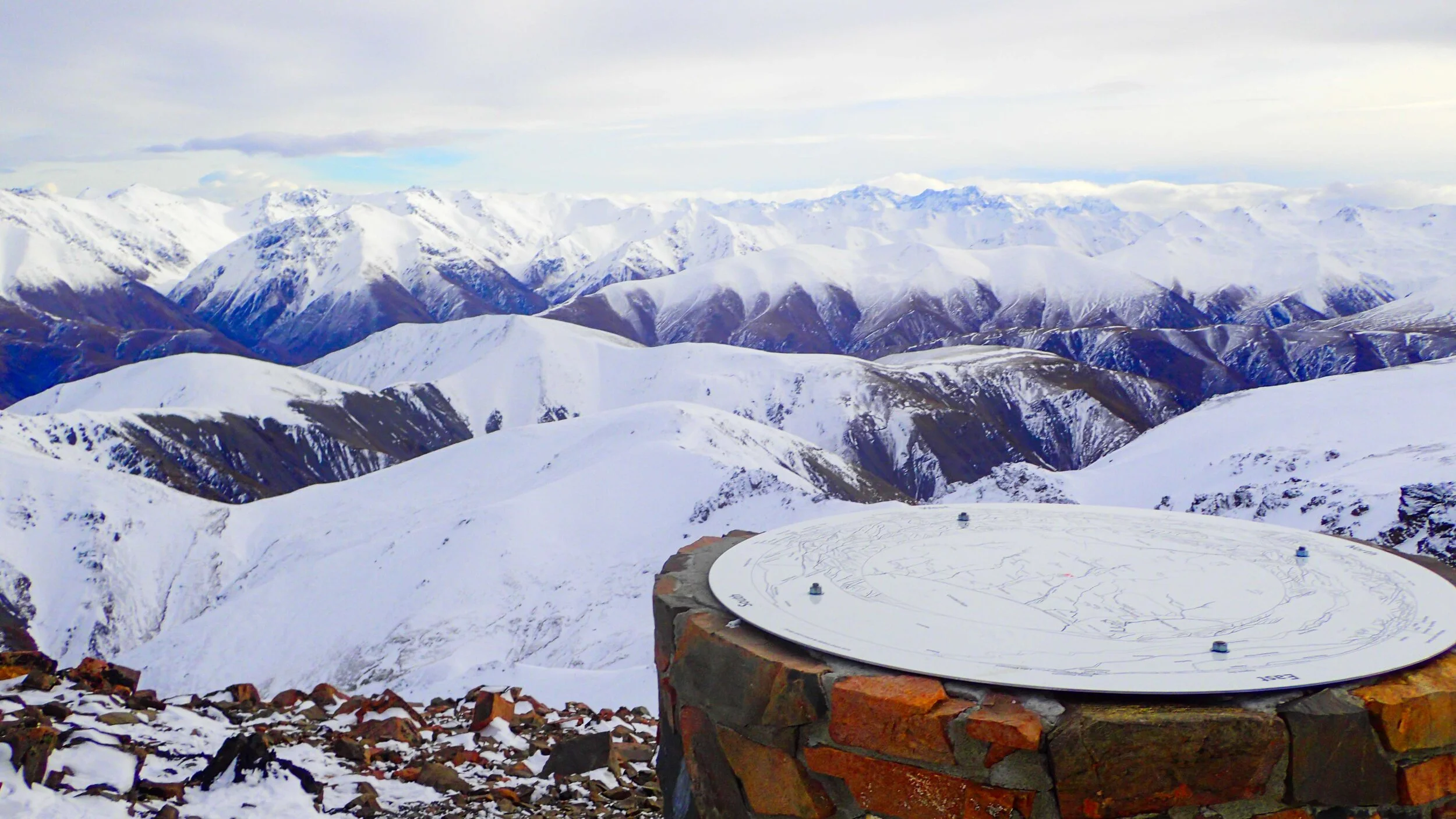

NEW ZEALAND OR AUSTRALIA
The question of whether to head to New Zealand or Australia for your summer ski trip is asked a lot and in my opinion, they are both great. That might come across as sitting on the fence but genuinely both are worth visiting. They can be compared in terms of terrain, facilities, and cost.. so here we go.
Cost
New Zealand is more affordable than Australia in every way. Lift pass prices in Australia are extortionate outside of the Epic Pass which offers unlimited snowboarding at three major Australian resorts. The cost of day passes is a rip-off, so if Australia is on your mind plan and look into season pass options as these often work out cheaper. The extra you spend on your lift pass probably contributes to better facilities with access roads being well-maintained at Australian resorts.
In general, the cost of living in New Zealand is cheaper with food and drink costs less although accommodation can be at a premium. Depending on where you are traveling from affordability can depend on the exchange rate at the time. Many Australians fly to New Zealand for their ski trip so this should indicate which offers better value for money.
Facilities
Australian ski resorts tend to have more European style resort villages at the ski resorts base. Thredbo has a great village to stay in that would make an Aussie trip hassle-free and this is not something that is found in New Zealand. If you prioritize convenience then Australia may win your vote.
Snow-making is pretty decent in both Australia and New Zealand because… well it has to be. In the bad snow years, both Australia and New Zealand rely heavily on snow-making to ensure their resorts can stay open.
Infrastructure in both New Zealand and Australia is pretty good with resorts having high-speed chairs and decent lodge facilities. Most commercial resorts across both countries will offer a ski-school, rental, and dining facilities.
Terrain
New Zealand will have the more advanced terrain with steeper runs and better off-piste than their Australian counterparts. Australia is known for its terrain parks with many professionals heading to Perisher or Thredbo to train during the summer months. Both New Zealand and Australia have small resorts by European standards with vertical drops often below 600m.

NEW ZEALAND VISAS
As it currently stands British nationals do not need a visa to holiday in New Zealand. You will be allowed 90 days of visa-free travel as a tourist. If you intend to work for the season you will need either a Working Holiday Visa or a Sponsored Visa.
NEW ZEALAND FREQUENTLY ASKED QUESTIONS
When Can You Snowboard In New Zealand?
The ski season in New Zealand runs between June and October depending on snowfall. The best time to snowboard in New Zealand is during the month of August when most rocks will have been covered by a good snow base.
Where Is The Best Place To Go Snowboarding In New Zealand?
This is obviously personal preference and everyone will have an opinion on this. We enjoyed The Remarkables as some of our favourite day’s snowboarding were there. The Remarks has some great hiking and easy access to off-piste.
Is Snowboarding In New Zealand Any Good?
Snowboarding in New Zealand is season dependant. We have had some awesome New Zealand Trips and some that were a write-off due to weather conditions. Our advice would be to plan a longer New Zealand trip so you have the best chance to catch the good snow conditions. Stay flexible and have access to a car so you can change your plans and follow the weather.
Which is better Queenstown or Wanaka?
This is an unanswerable question. Both towns are incredible. I would happily up sticks and live in either town. Queenstown is bigger and can feel busier but both have beautiful views, impressive lakes, and easy access to ski resorts!! What is not to love?
How Far Is Wanaka From Queenstown?
Luckily in regards to the previous question, it is possible to visit both as Queenstown and Wanaka are only 53km apart. The drive between the two is beautiful so allow for time to stop to take photos.
What Is The Biggest Ski Resort In New Zealand?
The largest ski resort in New Zealand is Whakapapa at Mt Ruapehu on the North Island. Whakapapa has 44km of pistes which is modest by European standards.
NEW ZEALAND MULTI-RESORT SKI PASSES
The NZ Ski 3 Peaks Pass combines three of New Zealand’s best-known ski resorts; The Remarkables, Coronet Peak, and Mt Hutt (Voted NZ’s Best Ski Resort). If you opt for the early bird (purchase by October 31st) you can have unlimited access to these three resorts for 699NZD
NEW ZEALAND POSTS

What To Take On A Snowboard Holiday | Beginner Snowboard Tips
For a lot of people, the first time you go snowboarding can seem quite daunting, especially if you have grown up in a country where snow is not very common. This post is all about the things I wish I had known before my first trip that would have made my life easier and the trip more enjoyable.

STAYING WARM ON A SKI TRIP
Ensuring you are feeling warm throughout the day can be make or break for your enjoyment levels. Nobody wants to sit shivering on a chairlift. Luckily, being on snow doesn’t mean you have to be cold and by following one or a combination of these tips you will be able to stay out for hours.
KEEPING YOUR CORE WARM
Keeping your core warm is super important when in a winter environment. If you can maintain a warm core you are less likely to feel the cold at your extremities. Using a layering system is the most effective way to ensure you can maintain a warm core.
USE A LAYERING SYSTEM
Your layering system is the layers that you wear all the way from your skin to your outer layer. By wearing more thin layers rather than one thick layer you can trap the air and heat between each layer. Warm trapped air means a warm you. Another benefit of a layering system is that if you get too cold or too warm you can add/remove a layer to regulate your temperature more effectively.
Start with a base layer - this goes next to the skin and will wick your sweat away from your skin to prevent you from getting damp and cold from the moisture. Merino base layers are great but can be expensive, so if it’s your first time you will be fine with a synthetic base layer. Avoid wearing cotton next to your skin as these will hold the moisture and you will get colder quicker and they take longer to dry.
Mid-Layer - Wear a mid-layer in between your base layer and your outer layer. This can be a fleece or an insulated jacket. This layer will provide further insulation from the cold and another barrier to the elements should water/snow pass your outer layer.
Outer Layer - Your outer layers should be waterproof. As a first-timer, it is likely you will spend some time sitting or falling in the snow. The worst thing I have seen people wear to their snowboard lessons is denim. Jeans are not going to be a good barrier to the elements. I’ll talk more about the outer layers in Staying Dry.
If you are going on your first trip, there is no need to spend loads of money.. consider brands such as Dare2B who offer effective gear at reduced prices.
KEEP YOUR FEET WARM
Keeping your feet warm is going to have a major impact on your enjoyment! Wearing snowboard-specific socks will help you keep your feet warm and comfortable. When we snowboard our bodies sweat as we are active and it is this moisture that makes our feet cold. Snowboard socks are made from materials that wick this sweat away from our skin helping to keep us warm. If you can, spring for merino wool socks as these will wick moisture efficiently, dry quickly, and prevent odor.
WARM HANDS
For me this one is simple… Mitts over gloves. The only time I have had cold hands on the snow is when wearing gloves. By wearing mitts your fingers are combined together in the same area sharing heat and maintaining a more comfortable temperature. If you find yourself in a situation where you are getting cold hands consider using hand warmers which are cheap and effective.
PROTECT YOUR HEAD
It is a well-known fact that we lose the majority of our heat through our head so maintaining a warm head is going to keep the rest of us warm. Helmets are important for safety but they can also keep you feeling warm. Most helmets come with nice protective ear pads to keep the wind from getting in. If a helmet is not your thing you will want a beanie or headband.
PROTECT YOUR FACE
Keeping your face warm and protected from the wind feels great. I ride with a face mask pretty much all day every day even when the sun is shining. A face mask will keep you warm and protected from both the wind and the sun. Pro Tip - Carry a spare and change them over at lunchtime as the area around your mouth can get wet.
STAYING DRY
Staying dry is equally important and you will want to have an effective barrier to the elements. A waterproof jacket and pants are a must but also consider the breathability. You will find a waterproof and breathability rating on all snowboard clothing and anything above 10k/10k should serve you well. Goretex is the industry standard and will be found in the more expensive outerlayers but there are many great alternatives. Patagonia use H2No and The North Face use Futurelight so be sure to check what’s available.
If you don’t own any waterproof or snowboard-specific outerwear most resorts or local shops rent these at a reasonable price.
PROTECT YOUR FACE
Out in the elements, your face can take a battering from the wind and the snow so it is important to keep it protected. Here are some of the steps you can take to protect your face.

GOGGLES
Wearing goggles is an important barrier between your face and the elements but they will also protect your eyes from the sun. Obviously, goggles are going to form a barrier from the wind and snow to help improve your visibility in tough conditions but they can also prevent snow blindness. Snow blindness is caused when the sun’s UV light reflects off the snow into your eyes essentially causing a sunburn on your corneas.
SUN PROTECTION
You may not think it but as discussed above protection from the sun is very important in snowy climates. Pack some sun cream for those bluebird days as the snow will reflect the sun onto your skin. If you want to avoid that panda eyes goggle tan look this is a must.
Similarly, it is important to carry a lip balm or chapstick. Riding in the wind and the freezing conditions can make your lips go hard and dry. Lip balm should keep your lips protected and moisturised.
STAY SAFE
WEAR A HELMET
Becoming more and more popular as people begin to realise the importance for protection are helmets. Helmets are there first to protect your head but also keep you warm and can be personalised to add to your unique style. If you are looking for the ultimate in protection search for a helmet with MIPS technology that will reduce the chances of concussion.
KEEP YOUR PHONE HANDY
You will probably want your phone with you anyway to document your day and get some awesome photos but a phone is equally important for safety. Most resorts now have dedicated apps where you can access the piste map on the go and also contact ski patrol if needed. Pro tip… make sure your phone is on an inside pocket to keep it warm, you can also place it inside a spare sock to keep it insulated. The cold can seriously affect battery’s so if you want it to work wrap it up.
PROTECTIVE PADS
If it is your first day on snow it is likely that you will fall over at some point. That’s ok, it is all part of learning. Consider bum pads and knee/elbow pads as these will limit the impact of these falls. There is some debate as to whether or not you should use wrist guards as the research is conflicting… I wouldn’t recommend it but you can do your own research on that.
LIFT PASSES
So it’s your first day and you’ve spent the whole morning waiting in line to get a lift pass… that sucks! It makes a lot of sense to order your passes online. Not only can you get them posted out or head to the fast collection points but you can also save money this way. When buying a lift pass look into the different options at your ski resort. Some resorts offer discounted passes to just access the beginners lift or throw in bundles with lessons. Shop around. There are also resorts like Flaine that let beginners access the beginner’s magic carpet area for free!
FINAL THOUGHTS
Now you are prepared to head on your first snowboard trip it’s time to have fun. Most of all, throw yourself into the experience and I am sure you will love it. Be sure to let me know how you got on in the comment section and maybe we will cross paths on snow someday!